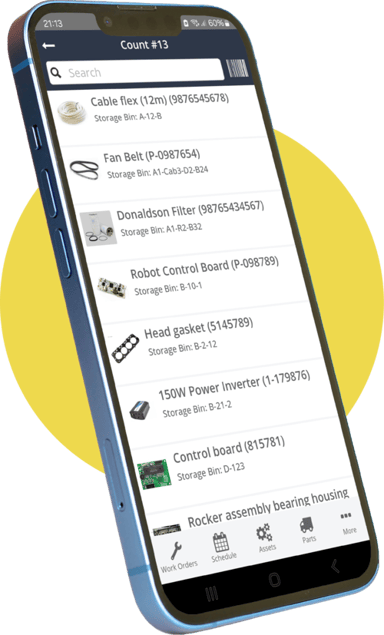
In maintenance, effective management of non-stock items can help minimize unexpected downtime. Unlike stock items, non-stock items are not regularly kept in inventory and are acquired when required. These items typically include specialized tools, infrequently used parts, or materials needed for specific maintenance or repair tasks.
Understanding the role and management of non-stock items is essential for organizations to maintain asset reliability, optimize costs, and improve the efficiency of their maintenance operations.
What Are Non-Stock Items?
Non-stock items are materials or parts not routinely available in the company's inventory. These items are generally ordered on a per-need basis for a specific purpose or project, distinguishing them from stock items that are kept in inventory for regular use. Non-stock items can include:
- Specialized parts for infrequent repairs or replacements
- Custom-manufactured components
- One-time-use items for specific maintenance tasks, like rebuilds
- Tools that are required only for particular repairs
Importance of Managing Non-Stock Items
In maintenance management, non-stock items are critical as they often cater to unique or complex asset needs that common parts or materials cannot fulfill. Effective management of non-stock items directly influences:
- Asset Reliability: Non-stock items are often essential for specific repairs, and their availability can prevent prolonged asset downtime.
- Cost Control: Non-stock items can be expensive due to their infrequent usage and specialized nature. Managing their procurement ensures they are ordered only when necessary, optimizing costs.
- Maintenance Efficiency: In critical maintenance tasks, the absence of a critical non-stock item can delay repairs and disrupt schedules. Proper planning ensures these items are available when needed.
Best Practices for Managing Non-Stock Items
1. Integrate with Maintenance Planning
Connect non-stock item procurement with maintenance schedules to avoid delays. By forecasting and planning maintenance activities, you can proactively identify non-stock item requirements and initiate procurement well in advance. Proper planning reduces emergency purchases, which are typically more costly and may cause unnecessary delays.2. Use Maintenance Management Software
A Computerized Maintenance Management System (CMMS) can help track and manage non-stock items by creating a database of previous orders, costs, and lead times. Leveraging a CMMS allows for better visibility into non-stock item usage and procurement needs, helping you make informed decisions and maintain records for future reference.3. Develop Supplier Relationships
Non-stock items are often custom-made or require specialized suppliers. Developing solid relationships with vendors can ensure better pricing, faster response times, and a more reliable supply chain. Partnering with reliable suppliers also enables quick sourcing in emergencies.4. Establish a Requisition Process
Implement a formal requisition and approval process for non-stock items to control costs and avoid unnecessary purchases. This process should ensure that each request is justified and aligns with the organization's maintenance and asset management goals. A CMMS with a solid purchasing module can help with this process.5. Monitor Usage and Costs
Analyze non-stock item usage and expenditure regularly to identify patterns and areas for cost optimization. Tracking usage helps determine if a non-stock item might need to become a regular stock item due to frequent demand, improving cost control. Pulling stock usage reports from your CMMS can help identify parts that should become regular stock items.6. Implement a Record-Keeping System
Record past non-stock item orders, including lead times, prices, and suppliers. This historical data aids in planning future procurements, assessing vendor performance, and anticipating costs for upcoming maintenance tasks.Tips for Effective Non-Stock Item Management
- Forecast Demand: Leverage historical data and maintenance plans via reports in a CMMS to forecast future demand for non-stock items, allowing time to source items and avoid last-minute purchases.
- Regularly Review Item Classification: Periodically review non-stock items to determine if certain items should be reclassified as stock items based on usage frequency. This approach helps ensure readily available inventory for commonly needed items.
- Evaluate Vendor Performance: Track supplier reliability and lead times to maintain high standards in procurement processes. Regular evaluations can improve sourcing efficiency and help establish dependable partnerships.
What is the difference between non-stock items and non-stock inventory?
The terms "non-stock items" and "non-stock inventory" refer to different concepts in inventory management, though they are closely related:
1. Non-Stock Items
Definition: Non-stock items are goods a business does not keep on hand or in physical stock as part of its usual inventory.
Characteristics:
- Ordered only when needed, typically on a demand or project basis.
- They are not regularly kept in the warehouse or store.
- Commonly, items with irregular or low demand or customized, specialized items.
- Examples: Custom-ordered parts, specific office supplies, or infrequently used tools.
2. Non-Stock Inventory
Definition: Non-stock inventory refers to the status or category of inventory that is not kept in stock, meaning it's not part of the regular inventory count.
Characteristics:
- It often consists of non-stock items but may be tracked separately as part of an inventory system.
- It might be recorded for cost control, demand tracking, or other accounting purposes.
- Allows businesses to manage costs and fulfill orders without storing the product on-site.
Key Differences between Non-Stock Items and Non-Stock Inventory
Non-stock items are individual goods that a company does not regularly stock, while non-stock inventory is the tracking or categorizing of these items within an inventory management system. Non-stock items focus on specific products, whereas non-stock inventory refers to how those items are managed or accounted for in the business's system.In short, non-stock items are the individual items that aren't regularly stocked, and non-stock inventory is the system or process by which these items are managed and tracked.
Increase Efficiency of Maintenance Operations
Though infrequently used, non-stock items are vital for maintaining asset reliability and the efficiency of maintenance operations. Organizations can manage non-stock items effectively by implementing structured processes, leveraging a CMMS, and fostering vendor relationships.
This proactive approach ensures the timely availability of these essential items, helping to optimize maintenance costs, reduce downtime, and support long-term asset reliability.