What Are Stockouts?
A stockout occurs when an inventory item is unavailable to fulfill a demand. In the context of replacement parts for maintenance teams, a stockout means critical components required for repair or preventive maintenance activities are not in stock.
This situation can halt operations, extend equipment downtime, and significantly impact productivity and costs.
The Consequences of Stockouts
- Increased Downtime: Equipment failure without replacement parts available can lead to extended downtime. Downtime directly translates to lost revenue and missed deadlines in manufacturing, utilities, or transportation industries.
- Higher Costs: Emergency procurement of out-of-stock parts often comes at a premium. Expedited shipping and sourcing from alternate vendors increase the overall cost of maintenance.
- Reduced Productivity: Maintenance teams lose efficiency when they pause work to search for or procure missing parts. This disrupts planned schedules and strains resources.
Causes of Stockouts
- Inaccurate Inventory Records: Without up-to-date and accurate records, teams may assume parts are available when they are not.
- Unforeseen Demand: Unexpected equipment breakdowns or spikes in maintenance needs can deplete stock.
- Lack of Forecasting: Failure to proactively predict usage patterns and schedule reorders leads to stockouts.
- Inefficient Procurement Processes: Delays in ordering and receiving parts due to inefficiencies in the supply chain or internal processes exacerbate shortages.
How a CMMS Can Help Avoid Stockouts
A Computerized Maintenance Management System (CMMS) plays a vital role in preventing stockouts by streamlining inventory management and providing actionable insights. Here’s how:
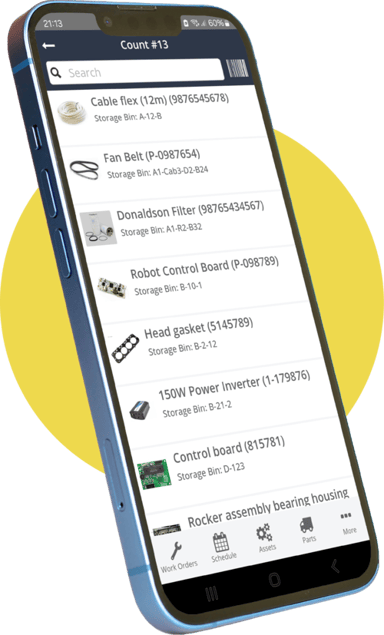
- Real-Time Inventory Tracking: A CMMS keeps an up-to-date record of inventory levels, tracking parts as they are issued or received. Maintenance teams can immediately identify low-stock items and take action before a stockout occurs.
- Automated Reordering: With predefined minimum stock levels, a CMMS can automatically trigger reordering when inventory reaches a critical threshold. Automated reordering prevents delays caused by manual intervention.
- Usage Analysis and Forecasting: Historical data on part usage allows a CMMS to predict future demand accurately. Proper forecasting ensures the right quantities of parts are stocked, reducing the risk of overstocking or stockouts.
- Centralized Database: A CMMS consolidates inventory information across multiple locations, enabling teams to source parts from other facilities in case of local shortages.
- Preventive Maintenance Planning: A CMMS ensures that parts required for scheduled work orders are available by aligning parts inventory with preventive maintenance schedules, reducing last-minute shortages.
Best Practices for Preventing Stockouts
- Conduct regular inventory audits to reconcile physical stock with CMMS records. This is referred to as cycle counting.
- Set appropriate minimum and maximum stock levels for critical parts.
- Train staff on CMMS usage to maximize its effectiveness.
- Establish strong vendor relationships for quick and reliable part procurement.
Invest in a CMMS to Prevent Stockouts
Stockouts of replacement parts can severely disrupt maintenance operations, increasing downtime and costs. However, with the proactive management capabilities of a CMMS, maintenance teams can maintain optimal inventory levels, anticipate demand, and prevent stockouts effectively.
Investing in a CMMS reduces operational disruptions and enhances overall maintenance efficiency, ensuring equipment reliability and operational continuity.