Efficiency is key to keeping equipment running smoothly and minimizing downtime. One critical metric for gauging the efficiency of maintenance work is wrench time. For maintenance, reliability, and plant managers, understanding wrench time is vital for optimizing operations, reducing costs, and ensuring maintenance tasks are completed effectively.
This article will explore wrench time, how to calculate it, and how to improve it within your organization.
What is Wrench Time in Maintenance?
Wrench time refers to the time maintenance technicians spend directly working on the equipment - using tools or “wrenches” - to complete a task. It measures only the productive or “hands-on” time spent on the repair or maintenance activity. Wrench time excludes non-productive activities such as traveling to the worksite, gathering tools or parts, waiting for permits, attending meetings, or dealing with administrative tasks.
In many production environments, wrench time is often lower than expected. It typically accounts for only 20-30% of a technician’s shift. The remaining time is lost to various inefficiencies, such as searching for parts, waiting for instructions, or other indirect activities. This low wrench time can lead to increased downtime, higher labor costs, and inefficient resource use.
Improving wrench time is crucial for increasing overall maintenance productivity, reducing operational costs, and promptly repairing critical equipment.
How to Calculate Wrench Time
Calculating wrench time is relatively straightforward but requires accurate tracking of technician activities. The basic formula for calculating wrench time is:
Wrench Time (%) = (Productive time / Total time) x 100 Here’s a breakdown of how to calculate wrench time:
- Track Productive Time: This includes the time technicians work directly on equipment or perform maintenance tasks. For example, if a technician spends 4 hours in an 8-hour shift repairing equipment, those 4 hours are considered productive wrench time.
- Track Total Time: Total time refers to the technician’s entire shift or working hours, including non-productive activities such as travel, meetings, and acquiring parts or tools. For an 8-hour shift, the total time would be 8 hours.
- Calculate Wrench Time Percentage: Divide the productive time by the total time and multiply by 100 to get the wrench time percentage. For example, if the technician spends 4 hours out of an 8-hour shift on productive tasks, the wrench time would be (4/8) x 100 = 50%.
How to Improve Wrench Time
Improving wrench time can lead to better resource utilization, reduced downtime, and enhanced maintenance performance. Here are several strategies to help maintenance managers boost wrench time in their operations:
Improve Job Planning and Scheduling
A significant portion of lost wrench time occurs due to poor planning. Maintenance technicians often spend valuable time waiting for instructions, tools, or parts. By improving the maintenance planning and scheduling process, you can ensure technicians have everything they need before they begin a job. This includes preparing work orders, ensuring that spare parts are available, and providing clear instructions.Minimize Travel Time
In large production facilities, technicians may spend a lot of time traveling between different work areas or equipment. To reduce travel time, assign technicians to specific zones or areas of the plant. Mobile tools like tablets or smartphones can also allow technicians to access work orders, equipment manuals, and other resources without returning to a central office.Organize Tools and Parts Efficiently
Poorly organized maintenance shops or storerooms can lead to wasted time as technicians search for the necessary tools or parts. Implementing 5S (Sort, Straighten, Shine, Standardize, Sustain) principles can help organize maintenance workspaces so that tools and parts are easily accessible, reducing the time spent searching for materials.Use a CMMS to Enhance Efficiency
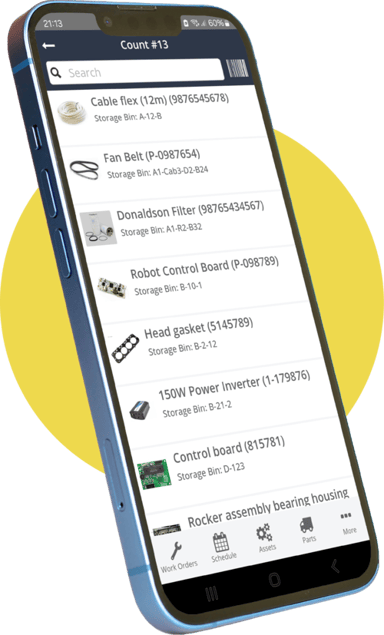
A Computerized Maintenance Management System (CMMS) can be a powerful tool for improving wrench time. A CMMS helps with job planning by organizing and prioritizing work orders, ensuring that all necessary information is available before technicians begin work.
It also tracks parts inventory, ensuring that spare parts are readily available and eliminating delays caused by stockouts. Additionally, a CMMS can provide mobile access to work orders, equipment history, and manuals, reducing the need for technicians to leave the job site.
Reduce Administrative Burden
Many technicians spend significant time on administrative tasks, such as reading emails, filling out paperwork, or attending meetings. Implementing a CMMS allows maintenance staff to enter work orders, track progress, and complete reports digitally, reducing time spent on manual paperwork. Reducing unnecessary meetings and streamlining reporting processes can also free up more time for technicians to focus on their core tasks.Monitor and Analyze Performance
Monitoring wrench time metrics is essential for continuous improvement. A CMMS can automatically track technician productivity and wrench time, providing insights into areas where inefficiencies occur. By analyzing this data, managers can identify specific bottlenecks—such as frequent delays in obtaining spare parts or excessive travel time—and implement targeted improvements to boost wrench time.Maximize Wrench Time
Wrench time is a crucial metric for understanding the productivity and efficiency of maintenance teams in a production environment. By improving wrench time, maintenance managers can significantly reduce downtime, optimize labor costs, and enhance the overall performance of maintenance operations.
Tools like a CMMS can support continuous improvement initiatives by streamlining work order management, organizing parts inventory, and providing real-time data to drive better decision-making. By adopting these strategies, maintenance managers can ensure their teams spend more time working on critical tasks and less on non-productive activities, leading to better results across the board.