
Work order software is a powerful tool that helps organizations manage and optimize maintenance operations.
Whether used in manufacturing, healthcare, education, or any industry requiring asset and facility maintenance, work order software provides numerous benefits that enhance productivity, extend asset life, and reduce costs.
This article explores 12 key benefits of implementing work order software.
1. Improved Preventive Maintenance
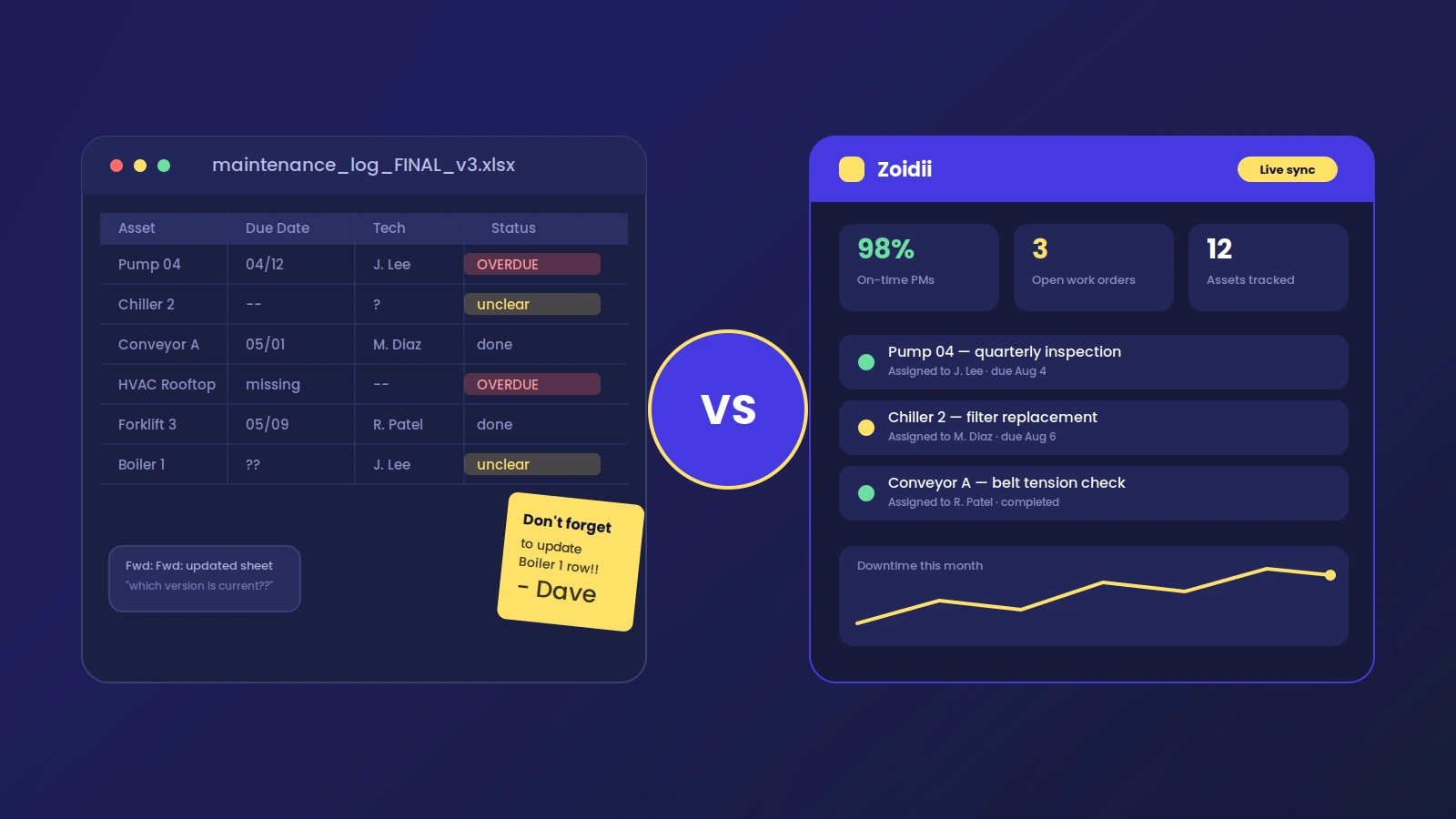
Work order software facilitates a significant shift in maintenance strategy, moving from reactive to preventive.
By scheduling regular maintenance tasks, this proactive approach minimizes unexpected equipment failures, extends asset life, and reduces costly emergency repairs.
2. Enhanced Asset Management
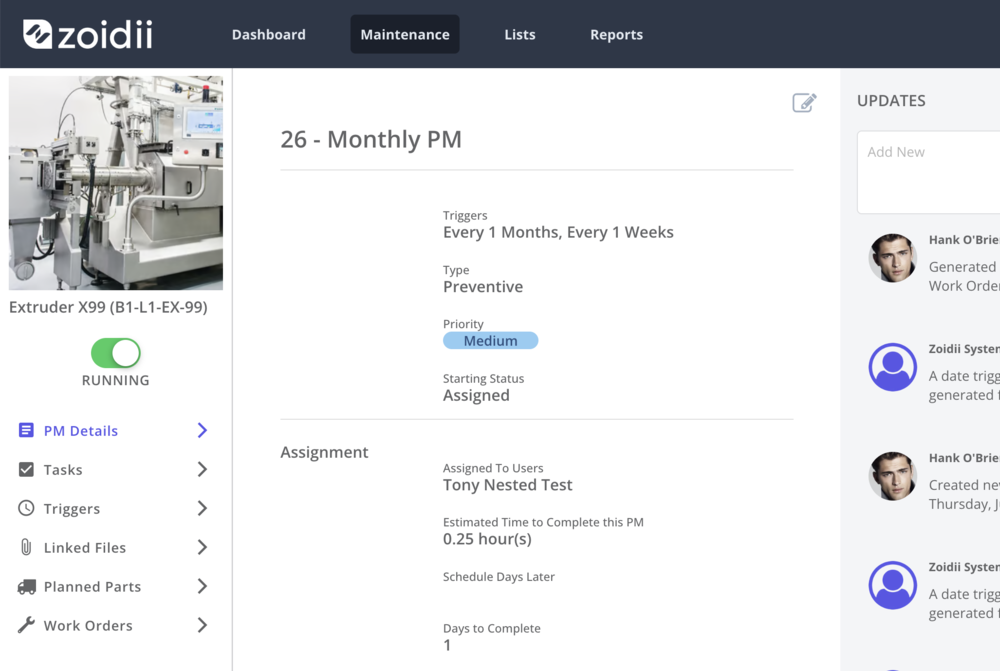
With work order software, businesses can track and manage assets more efficiently by maintaining a detailed record of each asset's history, location, associated parts, and maintenance schedule.
Having detailed records helps make informed decisions about repairs, replacements, and capital investments.
3. Increased Equipment Uptime and Reliability
Work order software significantly increases equipment reliability and uptime by preventing unexpected breakdowns and ensuring timely maintenance.
Increasing reliability leads to smoother operations and reduced downtime, which is critical for industries dependent on continuous production.
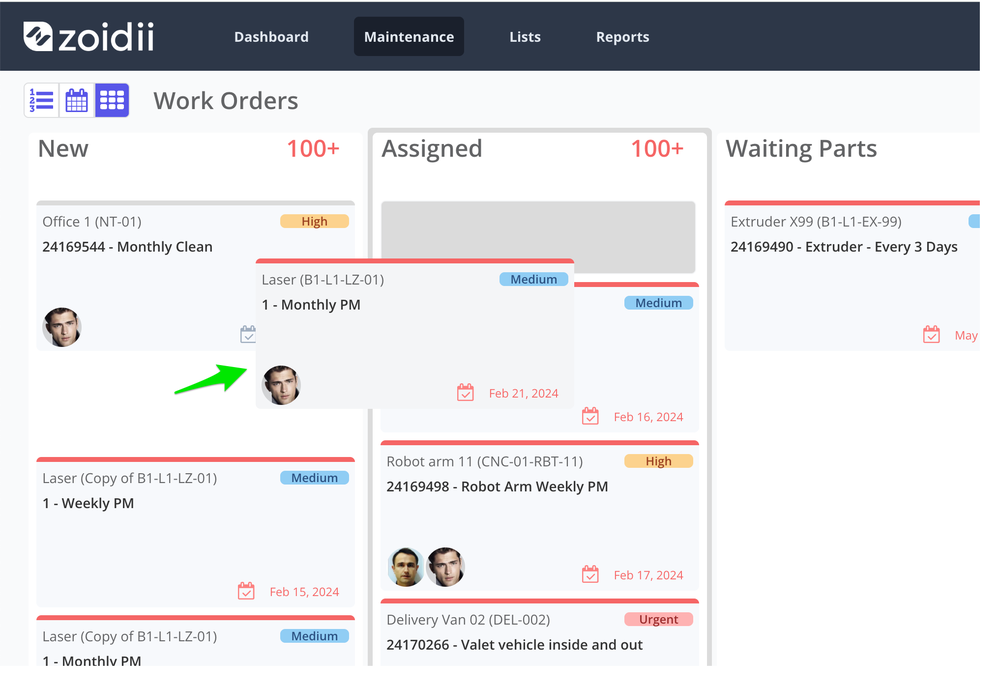
4. Optimized Work Order Management
Work order software plays a pivotal role in streamlining work order management. Automating task assignments, prioritization, and tracking reduces paperwork and improves efficiency in completing maintenance tasks.
Technicians can receive real-time updates on work orders, enhancing their productivity.
5. Cost Reduction and Budget Control
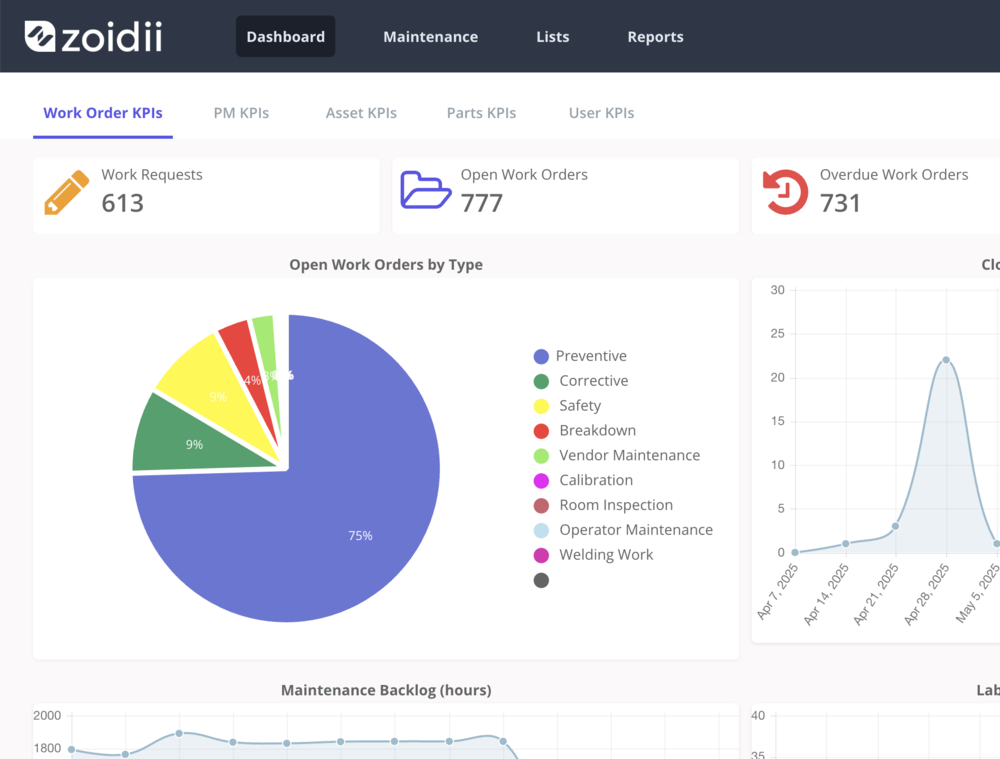
Implementing work order software is a strategic move for organizations looking to control maintenance costs. It optimizes inventory usage, prevents costly emergency repairs, and reduces overtime labor costs, thereby aiding in more effective budget planning.
Moreover, it provides valuable insights into maintenance spending patterns.
6. Regulatory Compliance and Safety Improvement
Many industries must adhere to strict regulatory standards, such as OSHA, ISO, and FDA requirements. Work order software helps maintain compliance by ensuring that maintenance activities meet regulatory guidelines, keeping detailed records for audits, and reducing the risk of workplace accidents.
Knowing that your operations align with industry standards can provide relief and security. Read more about how work order software can help you breeze through audits.
7. Better Inventory Management
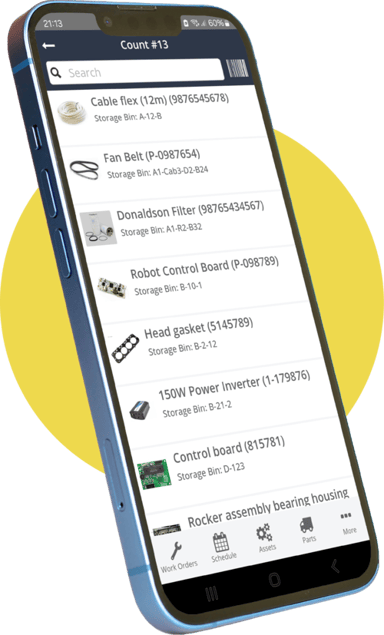
Work order software helps track spare parts and inventory levels, ensuring that necessary parts are available. It also prevents overstocking or running out of critical parts, which can delay maintenance activities and impact productivity.
8. Data-Driven Decision-Making
Work order software provides valuable insights through reports and analytics. Access to historical maintenance data enables maintenance managers to make data-driven decisions, optimize maintenance schedules, and improve overall asset performance.
9. Improved Productivity of Maintenance Teams
Work order software empowers maintenance teams by automating many administrative tasks, such as scheduling, tracking, and reporting, allowing them to focus on actual maintenance work.
Real-time access to data, mobile work order apps, and remote monitoring enhance team productivity, giving them more control over their work. Here are six ways work order software can help teams become more productive and increase wrench time.
10. Enhanced Communication and Collaboration
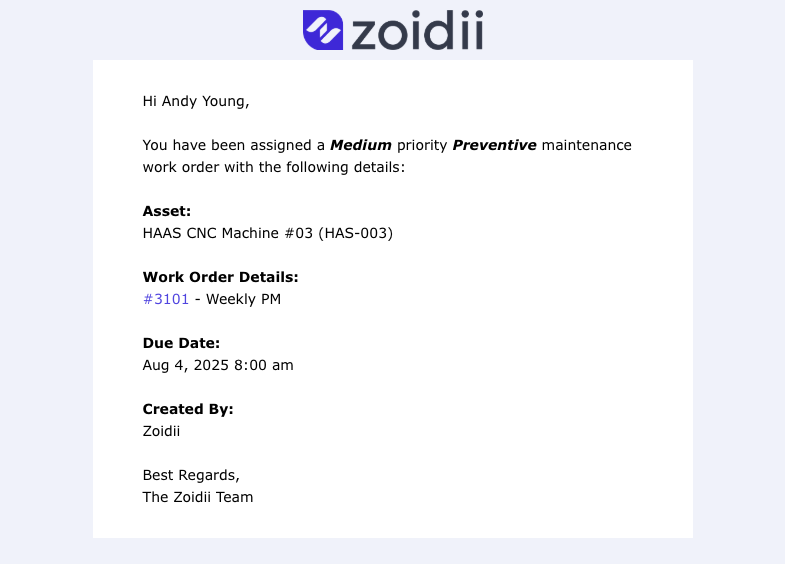
Using work order software, maintenance teams, management, and other departments can communicate more effectively, fostering a sense of unity and shared goals.
Work orders, asset updates, and maintenance reports can be easily shared, ensuring everyone stays informed and aligned with maintenance goals, promoting a sense of connection and shared purpose.
11. Extended Asset Lifespan
Routine and preventive maintenance facilitated by work order software helps extend the lifespan of assets. Proper maintenance ensures equipment operates efficiently for longer, delaying the need for expensive replacements.
12. Energy Efficiency and Sustainability
Work order software contributes to energy efficiency and sustainability by maintaining equipment at optimal performance levels. Well-maintained machinery consumes less energy, reducing overall energy costs and the organization's environmental footprint.
Maximize Efficiency with Work Order Software
Work order software is a game-changer for organizations looking to optimize their maintenance management processes. The benefits of work order software are substantial, from cost savings and increased equipment uptime to improved safety and sustainability.
By implementing work order software, businesses can enhance efficiency, reduce risks, and maximize asset performance, ultimately leading to a more profitable and sustainable operation.
Contact the Zoidii team to learn how we can help your team become more efficient.