
Wrench time - the percentage of a maintenance technician's shift spent actively working on repairs and preventive maintenance - is the ultimate metric for operational efficiency. Every minute wasted on administrative tasks, searching for parts, or waiting for assignments directly impacts your bottom line. For most maintenance teams, wrench time hovers between 30-35%. But with the right strategies, you can push that number significantly higher. Here are six proven methods to help your technicians spend more time turning wrenches and less time on non-value-added activities.
Key Takeaways:
- Start shifts with purpose - Pre-assigned work orders eliminate morning confusion and can boost wrench time by 15% or more immediately.
- Put information in their hands - Mobile access to manuals, schematics, and histories eliminates time-wasting trips to the office.
- Kit parts before work begins - Having all components ready at job time prevents frustrating searches and waits that kill momentum.
- Measure to improve - Tracking wrench time reveals hidden productivity drains and provides the data needed for continuous improvement.
- Technology is the foundation - A modern CMMS ties all these strategies together - without it, sustaining gains is nearly impossible.
1. Assign Work Orders Before Shifts Start
One of the biggest wrench time killers? Technicians are arriving without a clear plan. When they spend the first hour of their shift tracking down supervisors or waiting for assignments, productivity plummets before the day even begins.
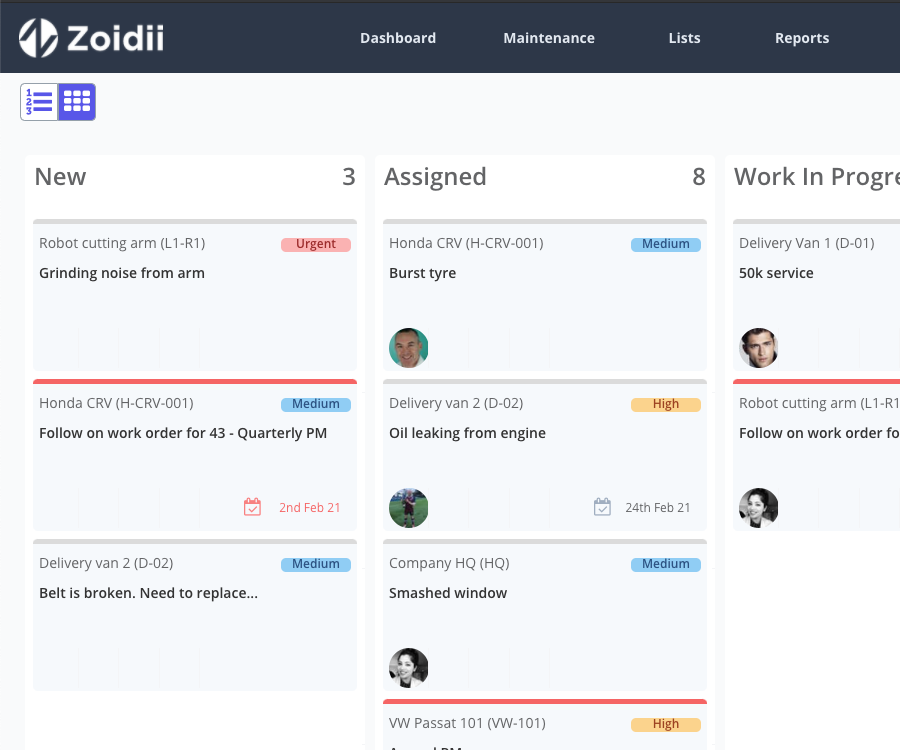
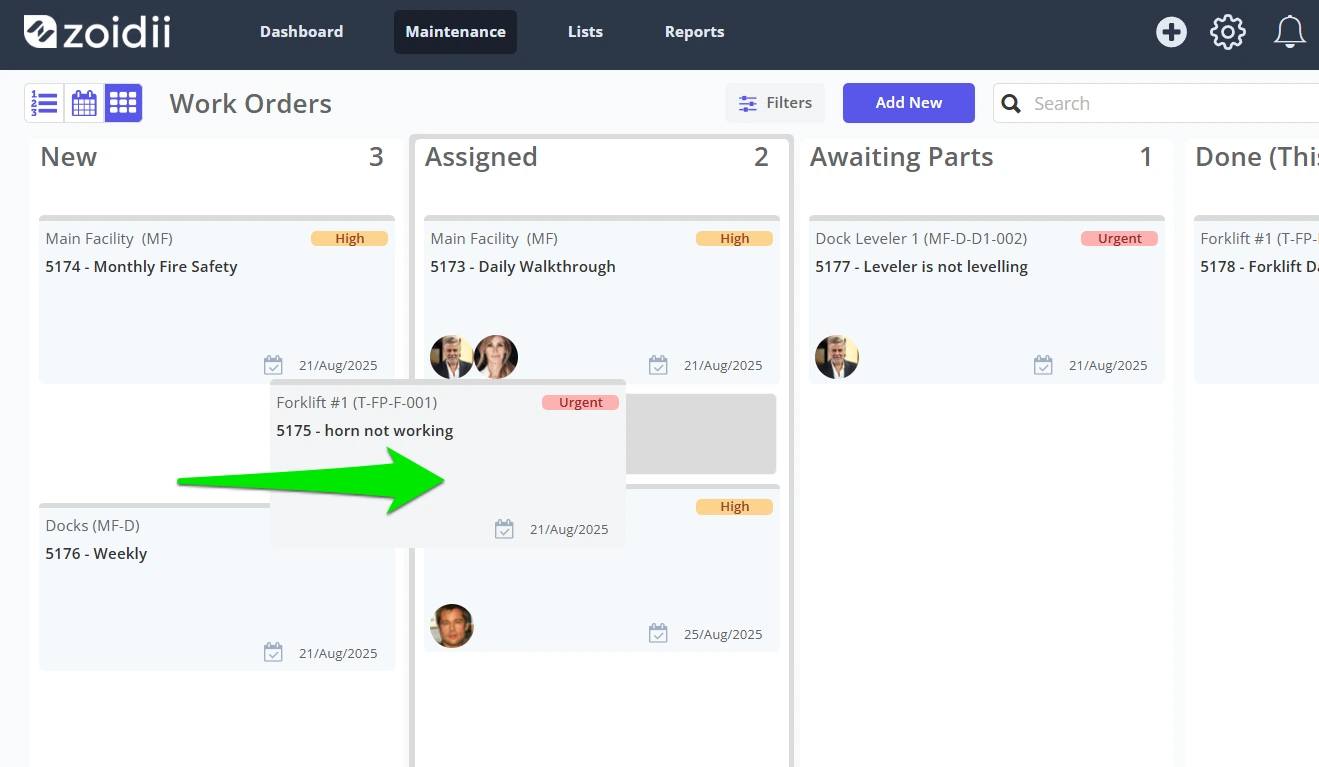
Solution: Implement a computerized maintenance management system (CMMS) that allows supervisors to create, prioritize, and assign work orders the day before or before the shift starts. When technicians clock in, they already know:
- Their assigned tasks for the day
- Priority levels for each job
- Location of assets requiring attention
- Estimated completion times
2. Provide Mobile Access to Asset Information
Gone are the days when technicians needed to trek back to the maintenance office to check manuals, schematics, or parts histories. Every round trip eats into wrench time.
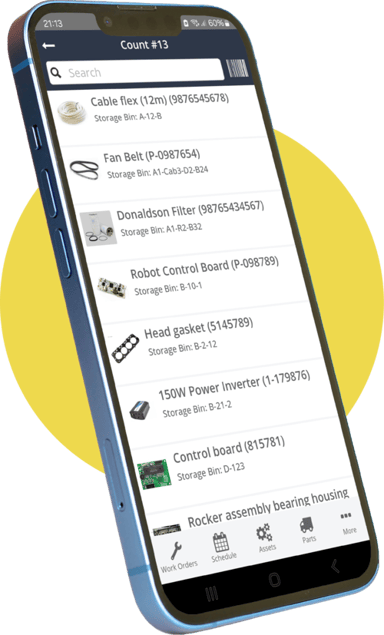
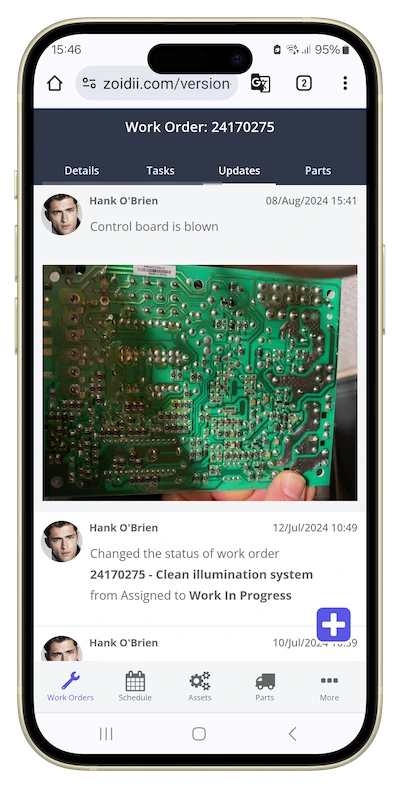
Solution: Deploy a mobile-enabled CMMS that puts critical asset information in your technicians' pockets. With tablets or smartphones, they can instantly access:
- Equipment manuals and technical specifications
- Historical maintenance records
- Troubleshooting guides and checklists
- Parts usage history and inventory availability
- Safety documentation
3. Implement Parts Kitting for Planned Work
Nothing kills momentum like a technician who's ready to work but missing a critical part. The walk to the parts room, the search through bins, the wait for unavailable items - these minutes add up fast.
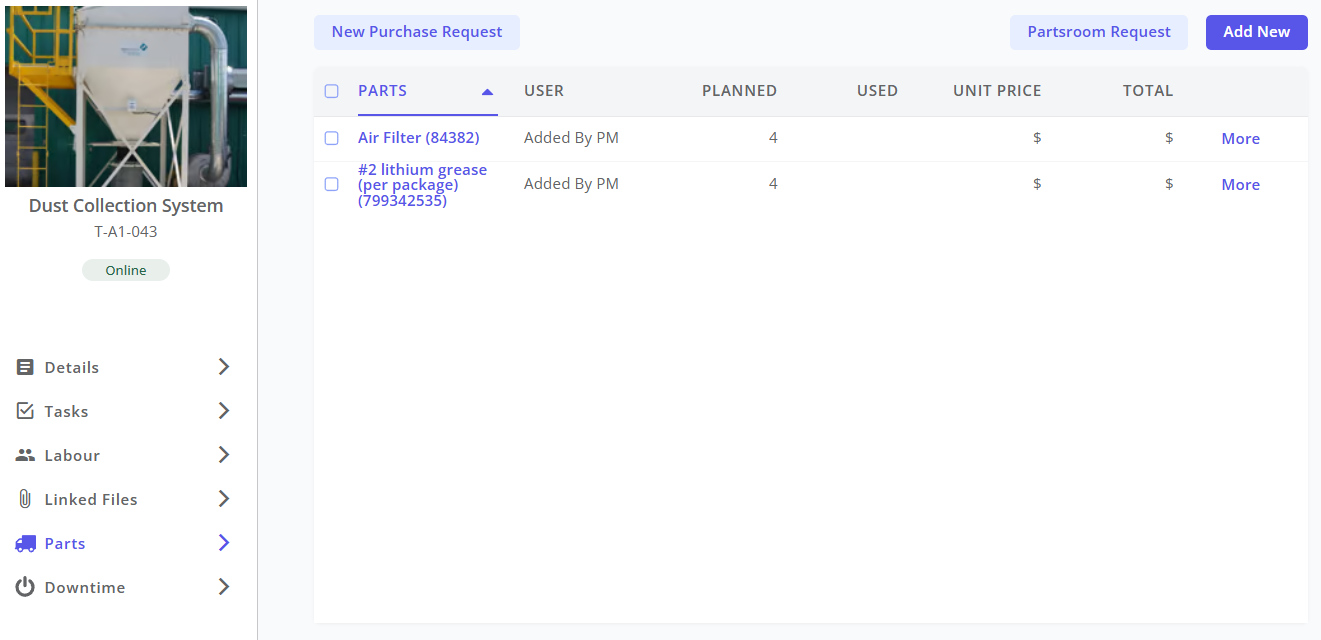
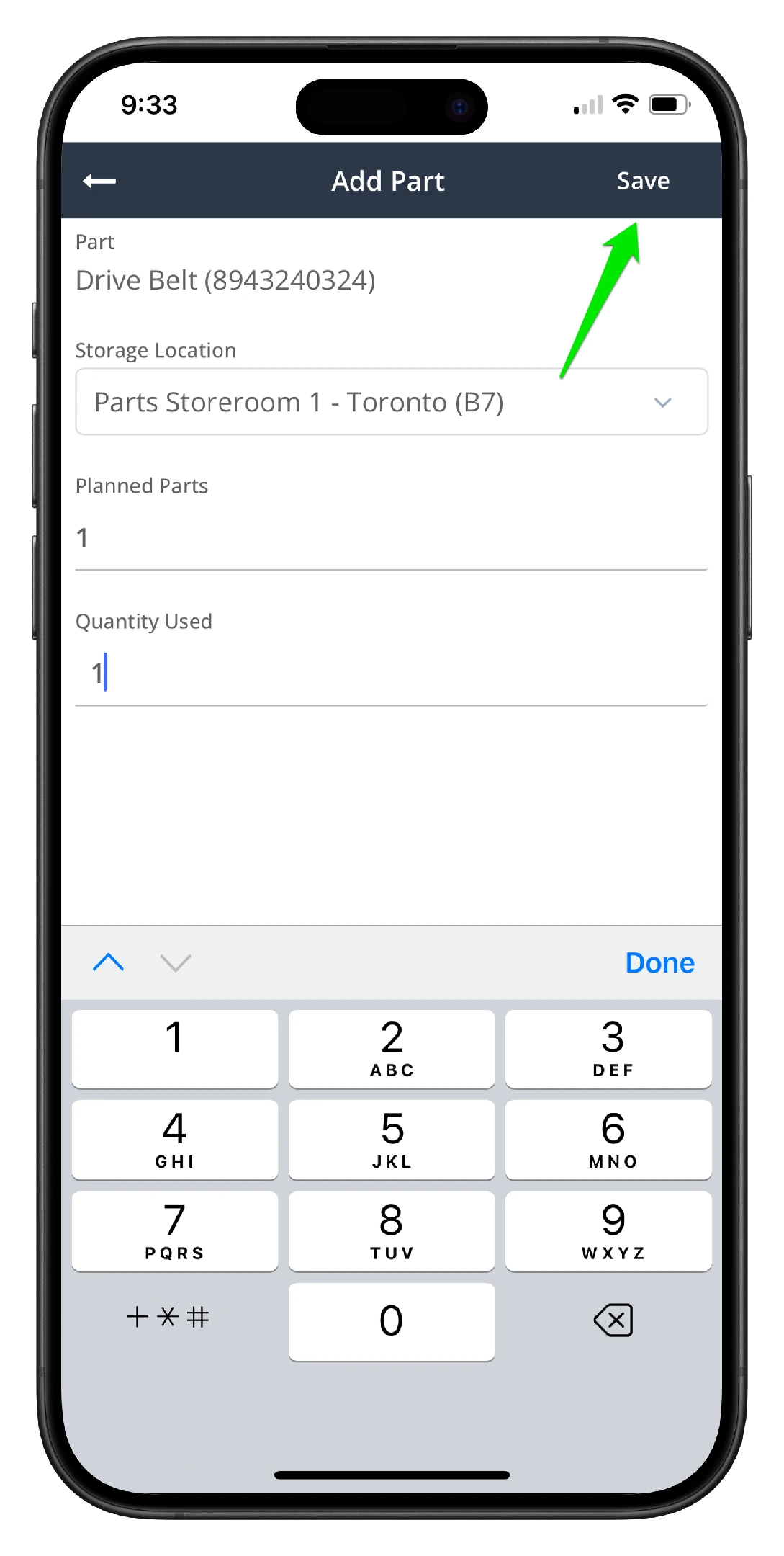
Solution: Establish a parts kitting system where all necessary components for planned maintenance jobs are pre-assembled and ready to go. For each scheduled work order:
- Identify all required parts and consumables
- Gather them into labeled kits before the shift begins
- Stage kits in an accessible location or deliver them to the job site
- Include any special tools needed for the task
4. Optimize Preventive Maintenance Scheduling
Reactive maintenance is the enemy of wrench time. Emergency repairs force technicians to drop everything, creating chaos and inefficiency. Well-planned preventive maintenance (PM) keeps equipment running smoothly and workdays predictable.
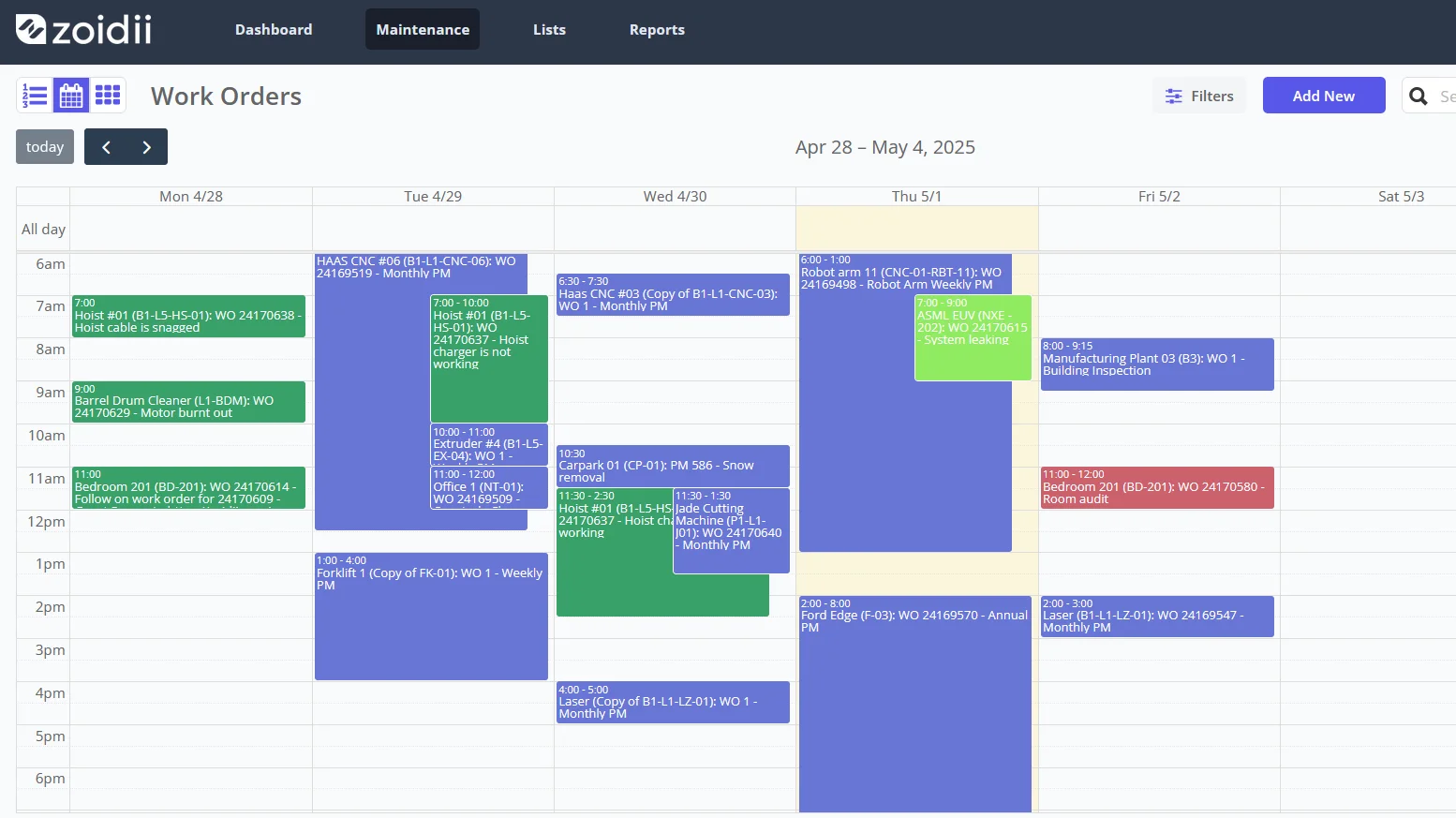
Solution: Use a work order scheduler to create balanced PM calendars that:
- Distribute work evenly across the week (avoiding Monday morning crunches)
- Group tasks by asset location to minimize travel time
- Account for technician skill sets and certifications
- Automatically generate work orders based on meter readings or calendar triggers
5. Conduct Effective Shift Handovers
Shift changes are notorious productivity black holes. Valuable information gets lost, questions go unanswered, and the incoming team wastes time figuring out where the previous shift left off.
Solution: Standardize shift handovers with digital tools that capture:
- Completed vs. pending work orders
- Equipment status and known issues
- Parts ordered and arrival dates
- Safety concerns or permit requirements
- Priority tasks for the next shift
6. Track and Analyze Wrench Time Data
You can't improve what you don't measure. Many maintenance leaders assume their teams are productive, only to discover shocking amounts of hidden downtime when they actually track the numbers.
Solution: Implement time tracking within your CMMS to capture:
- Actual work time per work order
- Travel time between jobs
- Time spent obtaining parts or information
- Administrative tasks and meetings
- Delay reasons and frequencies
Choose the Right Tools to Boost Wrench Time
These six strategies share a common thread: they require the right technology infrastructure. A modern CMMS isn't just a work order system; it's the foundation for:
- Advance work order scheduling
- Mobile asset information access
- Integrated parts kitting
- Intelligent PM optimization
- Streamlined shift handovers
- Meaningful wrench time analytics
Frequently Asked Questions About Wrench Time
1. What is a good wrench time percentage?
Industry benchmarks vary, but most maintenance teams achieve 30-35% wrench time. World-class organizations consistently hit 45-55% , and some exceptional teams reach 65% with optimized processes and technology. The key is measuring your baseline and improving incrementally.
2. How do you calculate wrench time?
Wrench time is calculated by dividing actual hands-on maintenance time by total available work hours, then multiplying by 100.
Formula: (Hours spent on maintenance tasks ÷ Total paid shift hours) × 100 = Wrench Time %
Example: If a technician works an 8-hour shift but only spends 3 hours actually repairing equipment, their wrench time is 37.5%.
3. What activities are NOT considered wrench time? Non-wrench time activities include:
- Walking to get parts or tools
- Searching for information or manuals
- Administrative tasks and paperwork
- Shift meetings and training (unless hands-on)
- Waiting for assignments or approvals
- Cleaning up job sites (unless part of the task)
- Travel between job locations
4. Can you have too much wrench time?
Yes! While low wrench time indicates inefficiency, 100% wrench time is neither realistic nor desirable. Technicians need time for:
- Safety meetings and toolbox talks
- Training and skill development
- Preventive maintenance planning
- Equipment condition assessments
- Team communication and shift handovers
5. How quickly can we expect to see improvement?
With focused effort on the strategies above, most teams see measurable improvements within 30-90 days. Quick wins like pre-assigned work orders and mobile access can show results immediately. Cultural changes like effective shift handovers may take longer to embed but deliver sustainable gains.