
Preventive maintenance (PM) is the backbone of effective asset management. Done right, it reduces equipment downtime, extends asset life, enhances safety, and controls costs.
However, even the most well-designed PM programs can become outdated or inefficient if not routinely audited.
As a maintenance leader, auditing your preventive maintenance schedule ensures that your efforts align with operational goals, compliance standards, and the real-world behavior of your equipment.
This guide outlines a comprehensive approach to auditing your preventive maintenance schedule. It covers preparation, data collection, analysis, and stakeholder engagement, all of which aim to maximize the value of your PM program.
1. Understand the Purpose of the Audit
Before beginning the audit, clarify why you’re doing it. Common objectives include:
- Identifying redundant or ineffective tasks
- Ensuring compliance with safety and regulatory standards
- Reducing downtime and increasing reliability
- Aligning PM activities with actual asset needs
- Optimizing labor and parts inventory usage
2. Assemble the Right Audit Team
Effective audits are rarely solo endeavors. Build a cross-functional team that may include:
- Maintenance planners and technicians
- Reliability engineers
- Safety officers
- Production supervisors

3. Gather and Organize Relevant Data
A successful audit is data-driven. Collect:
- PM task lists and schedules
- Work order history
- Equipment manuals and manufacturer recommendations
- Failure and downtime records
- Condition monitoring and inspection reports
- Inventory usage data
4. Benchmark Against Industry Standards and OEM Recommendations
Compare your current PM practices with:
- OEM (Original Equipment Manufacturer) guidelines
- Industry best practices (e.g., SMRP, RCM)
- Regulatory requirements (e.g., OSHA, ISO, HSE)
5. Evaluate PM Task Relevance and Frequency
Assess each task for its:
- Purpose and value
- Alignment with failure modes (Failure Modes and Effects Analysis - FMEA)
- Optimal frequency
- Required skill level and resources
- Is this task preventing a likely failure?
- Has the asset’s failure history changed since the task was implemented?
- Could this task be done more efficiently or using condition-based monitoring?
6. Analyze Work Order History and Trends
Review completed work orders to identify:
- Recurring corrective maintenance on assets with regular PMs
- High frequency of deferred PM tasks
- Equipment with low failure rates but high PM frequency
7. Engage Technicians and Frontline Staff
Technicians have firsthand insights into what works and what doesn’t. Conduct interviews or workshops to ask:
- Which tasks seem unnecessary or ineffective?
- Are PM instructions clear and practical?
- What tasks are commonly skipped or modified?
8. Identify Redundancies and Opportunities for Consolidation
Look for overlapping tasks or those that can be grouped:
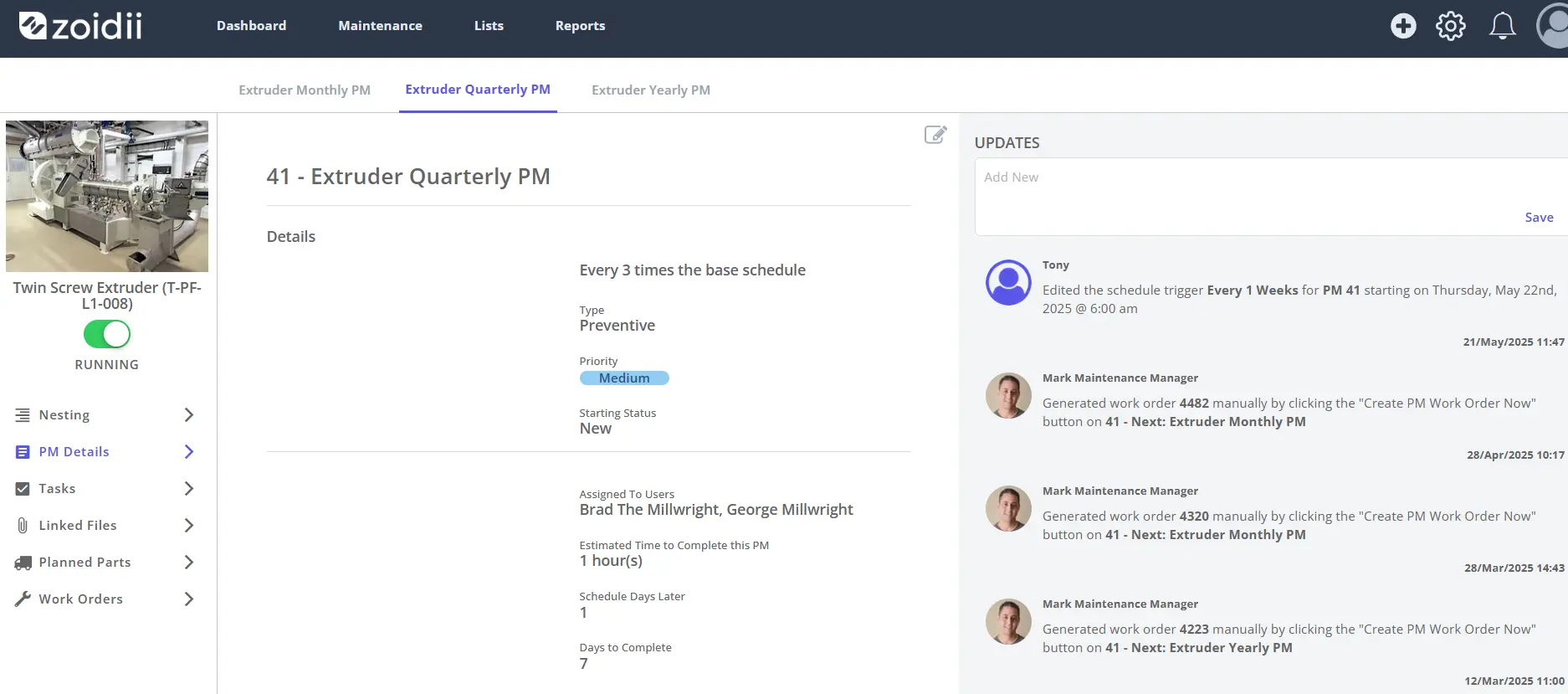
- Multiple inspections on the same asset that can be combined into Nested PMs
- Tasks on adjacent equipment that can be performed in the same visit
9. Prioritize Risk-Based Adjustments
Use a risk-based approach to refine your schedule:
- High-risk assets may require more frequent or detailed PMs
- Low-criticality assets might move to run-to-failure or condition-based strategies
10. Pilot Changes Before Full Implementation
Rather than overhauling the entire schedule at once, pilot adjustments on select assets or lines. Monitor results by tracking:
- Downtime incidents (Mean to Between Failures)
- Maintenance cost changes
- Technician feedback
- Work order completion rates
11. Update Documentation and Training
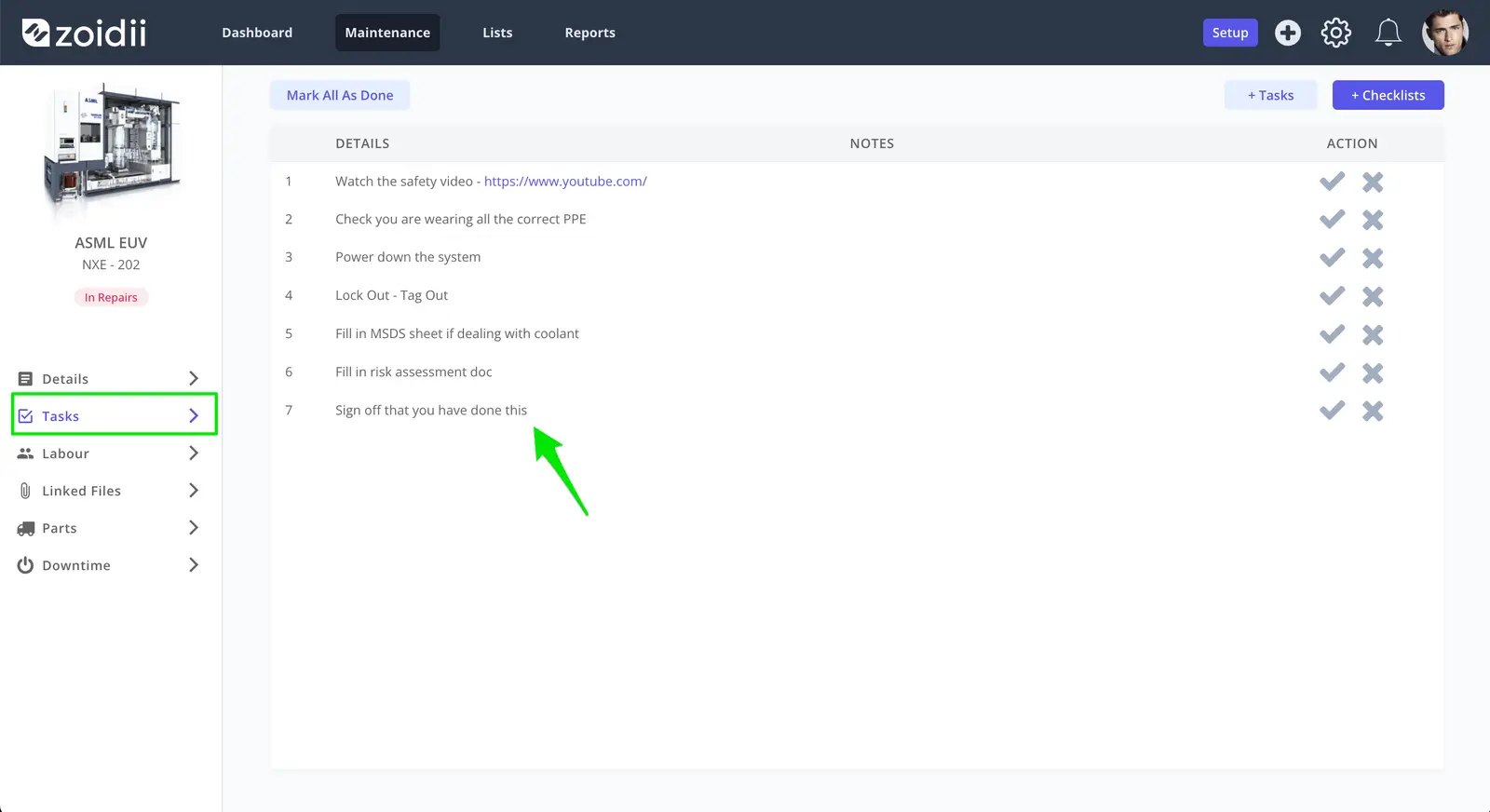
Ensure all changes are documented in your CMMS, standard operating procedures (SOPs), and training materials. Train relevant staff on:
- New PM frequencies or tasks
- Revised procedures or safety checks
- Any new tools or condition-monitoring technologies
12. Establish a Routine Audit Cadence
Auditing your PM schedule shouldn’t be a one-time event. Build it into your maintenance management cycle with an annual or bi-annual cadence. Align audits with budgeting cycles, major shutdowns, or equipment lifecycle reviews.
Document audit results and recommendations and implement changes for continuous improvement tracking.
13. Leverage Technology and Predictive Analytics
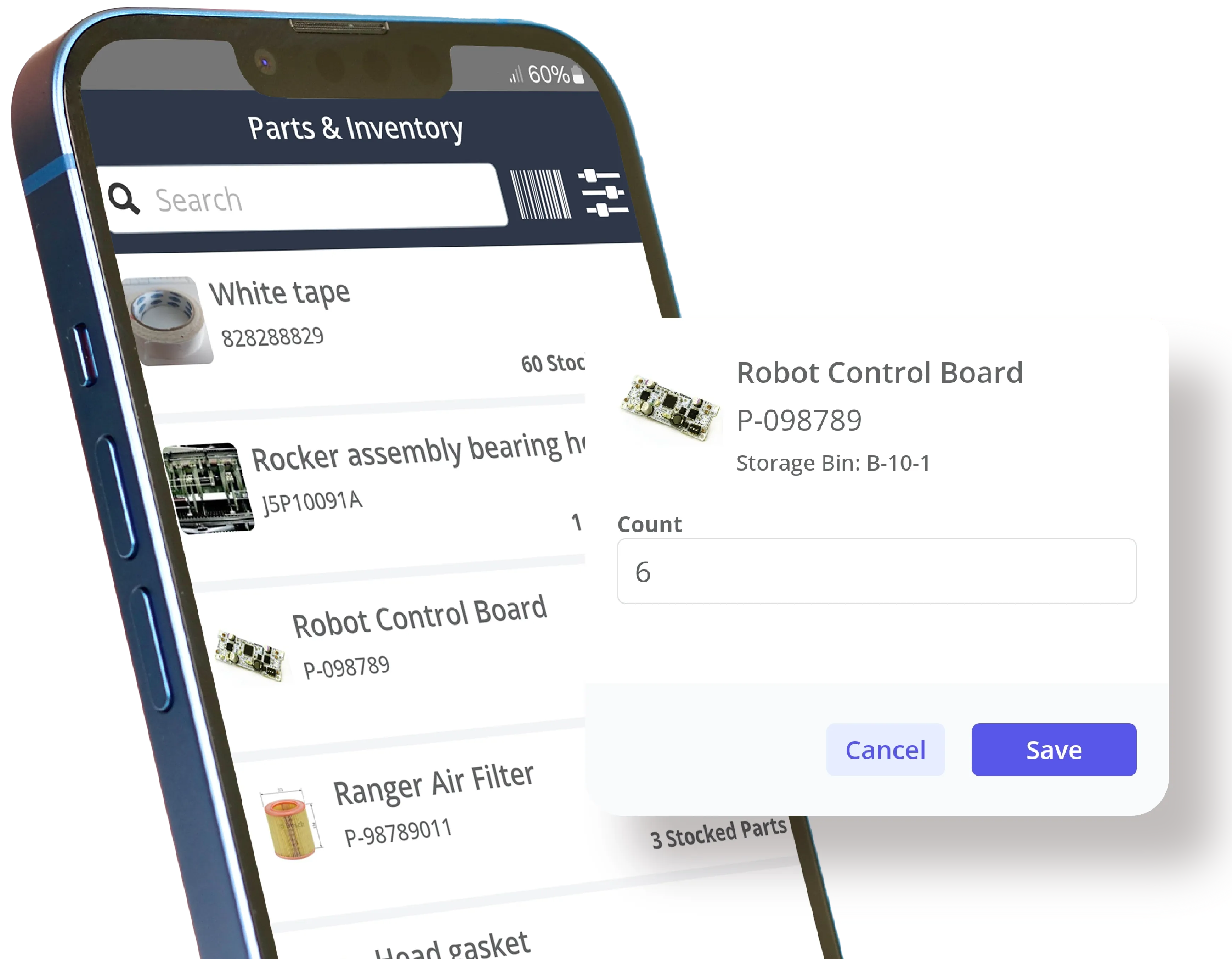
Modern CMMS platforms and IoT sensors can enhance audit accuracy and effectiveness. Utilize:
- Predictive maintenance data to inform PM frequency
- CMMS dashboards to highlight underperforming assets
- Mobile application for field data collection
14. Communicate Outcomes and Celebrate Wins
Share audit results with stakeholders to build transparency and support. Highlight:
- Cost savings achieved
- Downtime reductions
- Efficiency improvements
- Positive feedback from technicians
Final Thoughts on Auditing Preventive Maintenance Activities
Auditing your preventive maintenance schedule is a critical practice for maintaining operational excellence.
By systematically evaluating your PM tasks’ relevance, effectiveness, and efficiency, you can eliminate waste, enhance asset performance, and better align maintenance activities with organizational goals.
Maintenance leaders who champion routine audits empower their teams with data-driven strategies and foster a proactive maintenance culture. With the right approach, auditing isn’t just about catching flaws—it’s about continuously building a smarter, leaner, and more reliable maintenance program.