
Safety in manufacturing is way more than just ticking boxes – it's a way of thinking. Manufacturing environments come with some serious risks. You've got fast-moving equipment and dangers like chemical exposure, which can cause horrible injuries that lead to lost productivity or even worse, deadly accidents.
OSHA says thousands of workers get hurt every year in factories and other industrial settings. Many of these injuries could've been avoided if people had been more careful.
Building a culture of safety means doing more than just the bare minimum. Companies should focus on ongoing education, accountability, and awareness in the workplace.
Here are five key safety tips for any manufacturing facility – big or small.

1. Get Your Workers Properly Trained
You can't be safe if you don't know what you're doing. No matter how good your gear or emergency plan is, untrained workers are accidents waiting to happen.
Why Training Matters
- Untrained employees might misuse machinery, ignore safety rules, or miss hazards.
- New workers are more likely to get hurt within their first 30 days on the job.
- Ongoing training keeps everyone updated on new safety rules and technology.
Best Practices for Training
- Orientation for Newbies: Ensure all new employees attend a comprehensive safety orientation covering key topics such as hazard communication, emergency procedures, equipment use, and PPE.
- Job-Specific Training: Customize training for each role – whether it's machine operator, maintenance worker, or something else.
- Refresher Courses: Plan training sessions every few months to reinforce important safety messages and share new practices.
- Simulation Training: Provide workers with hands-on drills and role-playing exercises to practice responding to emergencies, such as chemical spills or equipment failures.
Pro Tip:
Keep track of all training activities with a Learning Management System to stay organized and compliant.
2. Make it Easy to Report Safety Issues
Even the most careful supervisors can miss stuff. Workers on the floor are often the first to spot problems like exposed wires or slippery surfaces. Encourage them to report these issues – it's crucial.
Why Reporting Matters
- Reporting problems early can prevent minor issues from becoming big accidents.
- When workers feel their concerns are taken seriously, they feel empowered and valued.
- It fosters a culture of shared responsibility and mutual support.
Best Practices for Reporting
- Anonymous Reporting: Some workers might be afraid to report issues, so give them anonymous channels like drop boxes or digital forms.
- Easy Reporting Tools: Make it simple for workers to report safety issues using mobile apps or QR codes that notify the safety team or management.
- Clear Escalation Path: Set up a clear chain of command for reporting unresolved hazards or emergencies.
- Get Back to Them: Always let workers know what happened with their reports. Providing feedback builds trust and shows you're serious about safety.
Pro Tip:
Reward teams or departments that proactively spot safety hazards before they cause problems. Recognition goes a long way!
3. Take Breaks and Rest
Fatigue is one of the biggest, but often overlooked, risks in manufacturing. Tired workers are more likely to make mistakes, ignore warnings, or react slowly.
Why Breaks Matter
- Fatigue slows down decision-making and reduces awareness of what's going on.
- Overexertion is a top cause of workplace injuries, including strains and accidents with machinery.
- Breaks help reduce physical and mental stress, improving focus and endurance.
Best Practices for Breaks
- Scheduled Breaks: Follow OSHA and local labor guidelines for required break times.
- Micro-Breaks: Encourage workers to take short breaks every hour to stretch, grab a drink, or refocus.
- Comfortable Break Areas: Give workers clean, comfortable spaces to rest.
- Watch Overtime: Too much overtime increases injury risk. Keep an eye on scheduling to prevent burnout.
Pro Tip:
Supervisors, lead by example! Take your breaks and remind your team to do the same, especially during long or demanding shifts.
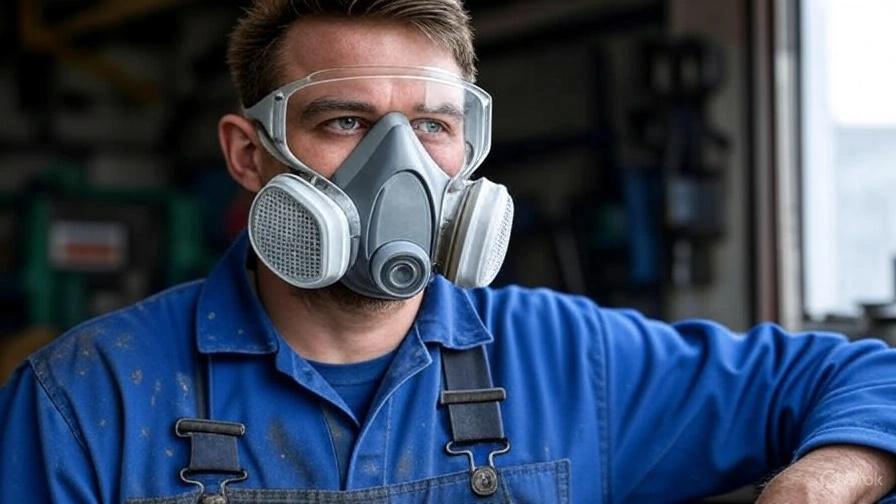
4. Wear the Right PPE
Personal Protective Equipment is your last line of defense when other safety measures fail. Whether it's gloves, safety glasses, hard hats, or ear protection, PPE is essential for protecting workers from hazards.
Why PPE Matters
- PPE reduces the severity of injuries if accidents happen.
- In some environments, not wearing PPE can be life-threatening.
- Regulatory bodies like OSHA require PPE use in specific jobs.
Best Practices for PPE
- Conduct a PPE Hazard Assessment: Determine the necessary PPE for each job and area.
- Proper Fit & Condition: Ensure PPE is the right size and in good condition. Poorly fitting or damaged PPE is worse than none at all.
- Easy Access: Make PPE available at workstations, entry points, and tool cribs.
- Enforce Rules: Supervisors must consistently enforce PPE use. One exception can create a ripple effect of non-compliance.
- Educate Workers: Teach workers not just how to wear PPE but why it's necessary.
Pro Tip:
Involve workers in PPE selection and trials. Their feedback on comfort and usability leads to higher compliance.
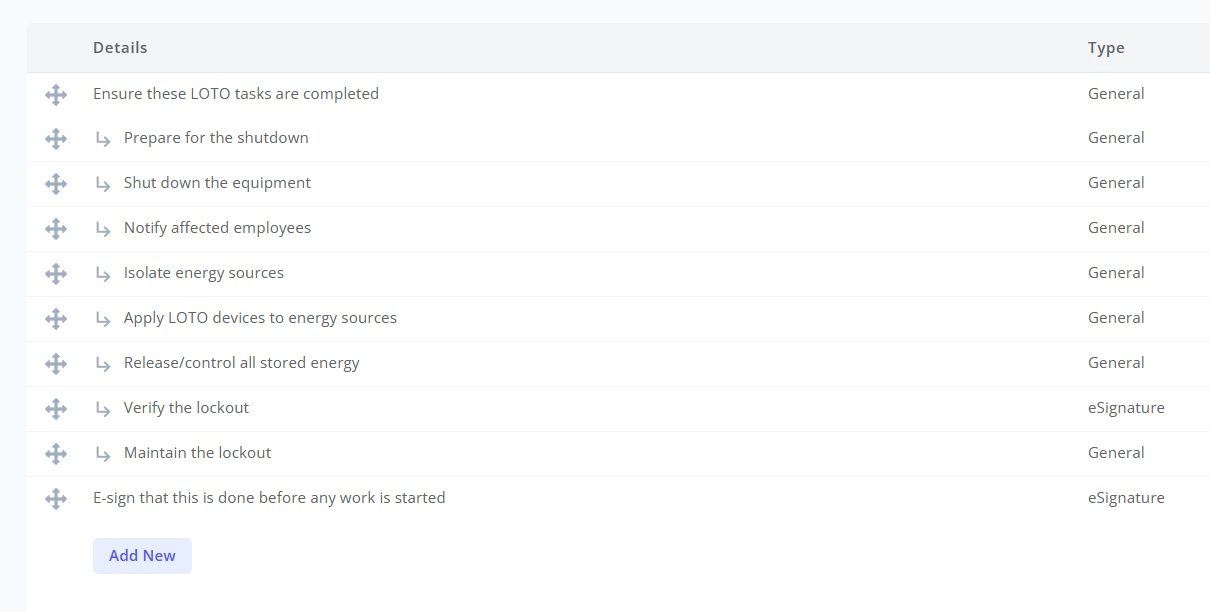
5. Have Clear Standard Operating Procedures (SOPs) Available
Written procedures reduce guesswork and standardize safe behavior. They outline how to safely operate machinery, respond to incidents, and perform tasks. When they're well-written and accessible, they're the backbone of your safety program.
Why SOPs Matter
- SOPs ensure everyone follows the same safety rules.
- They're key references during audits, inspections, or incident investigations.
- They help new hires get up to speed quickly and safely.
Best Practices for SOPs
- Make Them Visible: Post SOPs at relevant workstations or include QR codes for digital access.
- Keep Them Current: Regularly review and update SOPs to reflect equipment changes or revised safety protocols.
- Keep it Simple: Use plain language, images, and step-by-step instructions. Avoid jargon or complicated explanations.
- Automate SOPs: Wherever possible, automate SOPs in your CMMS, so these instructions are automatically added to equipment that requires safety procedures.
Pro Tip:
Give frontline workers a role in creating or revising SOPs. They know the job best and can spot blind spots in procedures written from an office.
In Summary
Manufacturing safety isn't just about hard hats and warning signs – it's about creating a culture where everyone takes responsibility for workplace well-being. By focusing on these five essential safety tips:
- Implementing thorough training programs,
- Encouraging the reporting of safety issues,
- Supporting breaks and rest,
- Enforcing PPE compliance, and
- Maintaining clear, accessible SOPs,