
In 2024, the average employee turnover was 18% in the US, meaning employers needed to replace roughly 1 out of every 5 employees. When employees leave, replacing them costs about 33% of their annual salary. Including recruitment costs, referral fees, onboarding and training, new hire welcome packets, and background checks. That number does not take other unquantifiable costs into account, such as:
- The talent and knowledge walking out the door
- The cultural impact on other employees when losing a team member
- Reduced productivity of the team without that employee
- The quality of the maintenance program while understaffed and its effect on equipment
- When the focus switches to hiring, other operations or projects can suffer
1. Capture everything in your CMMS
When employees leave the organization, 70% of their knowledge goes with them. The easiest way to limit this loss is to continually capture as much knowledge as possible during day-to-day operations.
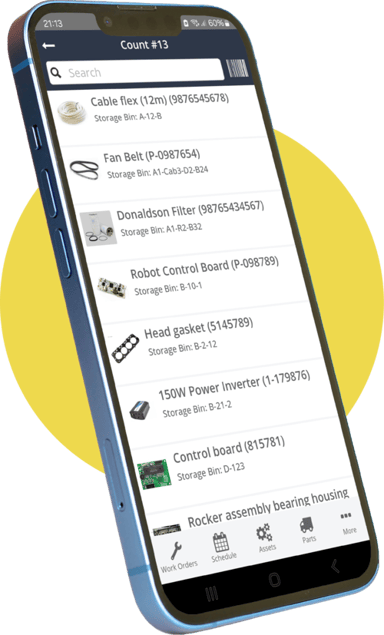
CMMS software like Zoidii is the best way to do that. It should be a database of record for your maintenance operations, tracking everything maintenance-related.
The CMMS should include PMs, procedures and checklists, work orders, minor repairs, parts installed, downtime, and vendors used. That way, a substantial amount of the information and knowledge remains in the organization when employees leave.
In a case study with Holistic Industries, they stated: "Now that we have Zoidii CMMS, all that information resides in the system and stays within the business. It makes Zoidii the employee with all the knowledge that will never leave." You can read the full case study here.
2. Prioritize the work in your CMMS
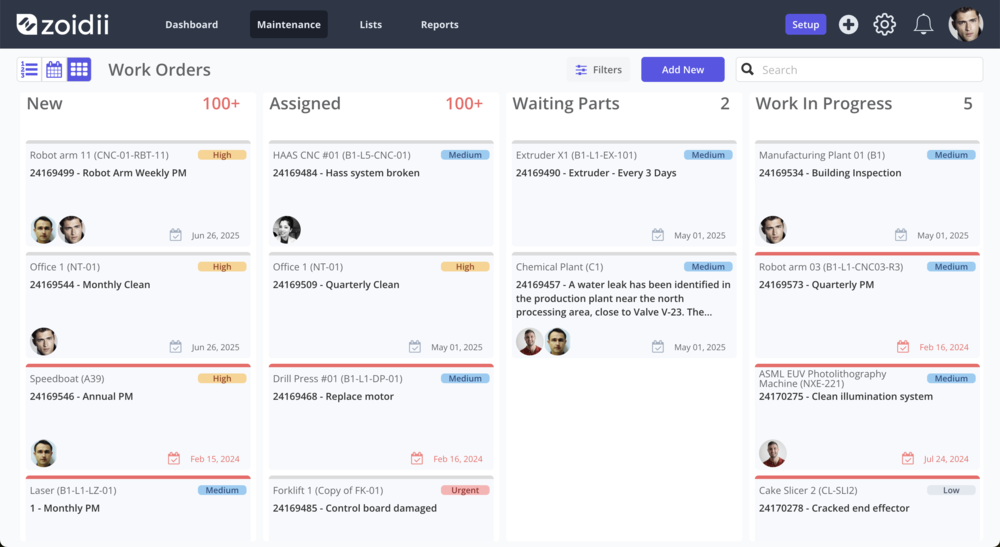
If your maintenance team is at capacity and you lose a resource, you should have more work than the team can handle. You could redistribute the work to the group or offer overtime, but this extra work could overwhelm the team and lead to further employee turnover.
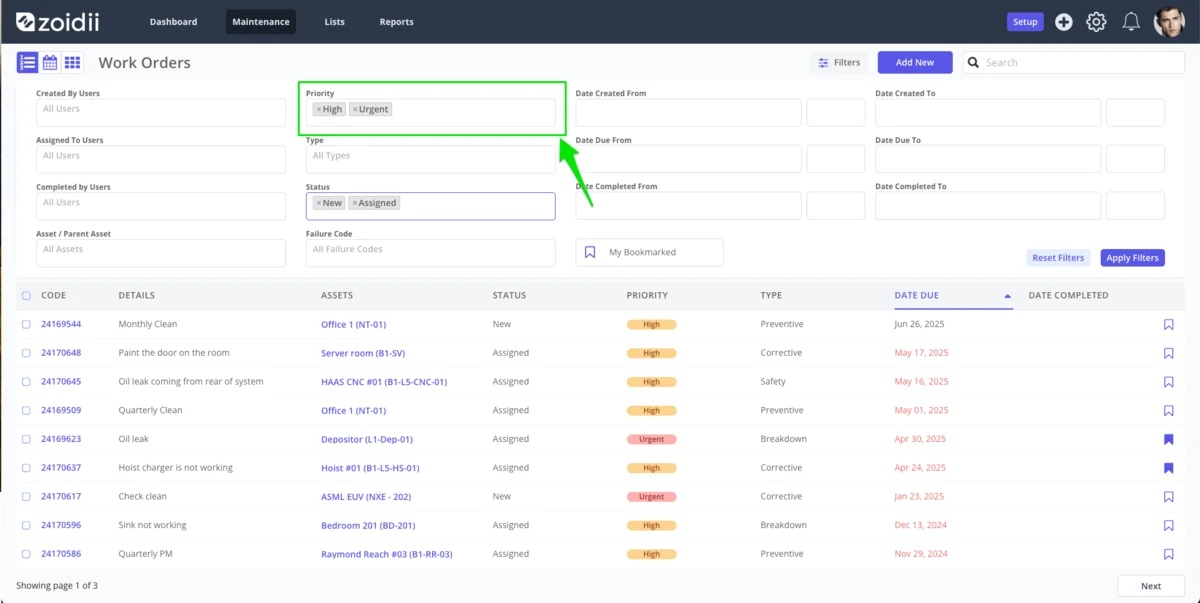
Another way is to adjust the workload to match the resources. You can postpone the lower-priority items until the new resource is in place, and prioritize all recurring PMs and work orders in the maintenance backlog.
3. Have your hiring plan ready
As a leader, I followed the rule, "fire fast, hire slow". Don't rush to fill the position just because you have to. Take your time and ensure they are the right fit for the team. A bad hire could impact culture, morale, productivity, and reputation. However, save some administrative time by having the hiring plan in place already.
Your hiring plan should contain everything required to fill the position, such as a list of responsibilities, skills needed, a job description, a hiring checklist, prescreen questions, interview questions, reference questions, and job offer templates.
4. Create a solid onboarding plan
Many organizations bring new people in and throw them straight into the deep end, hoping they will figure it out. The problem with this approach is that new employees immediately feel undervalued and take longer to become productive.
In a recent study by Gallup, only 12% of employees said their employer had an effective onboarding plan. An onboarding plan aims to shorten the learning curve and make the new hire fully integrated and productive as quickly as possible.
To minimize the time it takes for a new hire to become productive, ensure you have a solid onboarding plan ahead of time. New hires who went through an effective onboarding process are 50% more productive.
The onboarding phase could last months, so be as detailed as possible. That plan should include everything from showing them where the toilets are to shadowing major PMs on your most complex equipment. For example:
The week before (yes, onboarding starts before day 1)
- Send instructions for day one start time, where to park, what to wear, meeting location etc.
- Send the employee handbook for review
- Order a laptop, computer, phone etc., for new hire
- Send an email to the team introducing and welcoming the new hire
Day 1
- Manager to meet the new employee at the front door
- New security badge
- Attend morning meetings with the team
- Plant tour
- Review and sign off on the employee handbook
- Lunch with the new manager
- Set up new laptop & phone
- Sign all relevant paperwork
Day 2
- Assign the new hire to a buddy
- Plant safety review with the safety officer
- Shadow a weekly PM
- Introduction to the CMMS software
- CMMS training
Ensure you continually review and refine the process to ensure new hires are acclimated and productive as soon as possible. Google 'new hire onboarding template" to start building a solid onboarding plan for your organization.
Calculating employee turnover
Calculate employee turnover rate over a 1-year time frame. To calculate employee turnover, divide the number of employees left the company by the average number of employees during the period. For example, we have on average 100 employees, and last year 12 left the organization. That means employee turnover is 12/100 = 12%
Wrapping up
As a maintenance manager with limited resources, you cannot wholly eliminate employee turnover. Even if you follow our eleven strategies to reduce technician turnover, it will still happen.
Savvy maintenance managers can minimize the impact of technician turnover by taking these four steps ahead of time and being prepared.