
Efficient maintenance backlog management can be a daunting task for any organization. The amount of backlogged work and open work orders can pile up quickly, making prioritizing and managing effectively challenging.
However, with an efficient system and a clear understanding of the benefits of having a backlog, it is easier to streamline your workflow and achieve maximum productivity and efficiency.
This article will walk you through a step-by-step guide on best managing your work order backlog.
Work Order Prioritization for Maintenance Backlog
Managing a backlog can feel overwhelming, but prioritizing your work orders is the first step to keeping business operations on track.
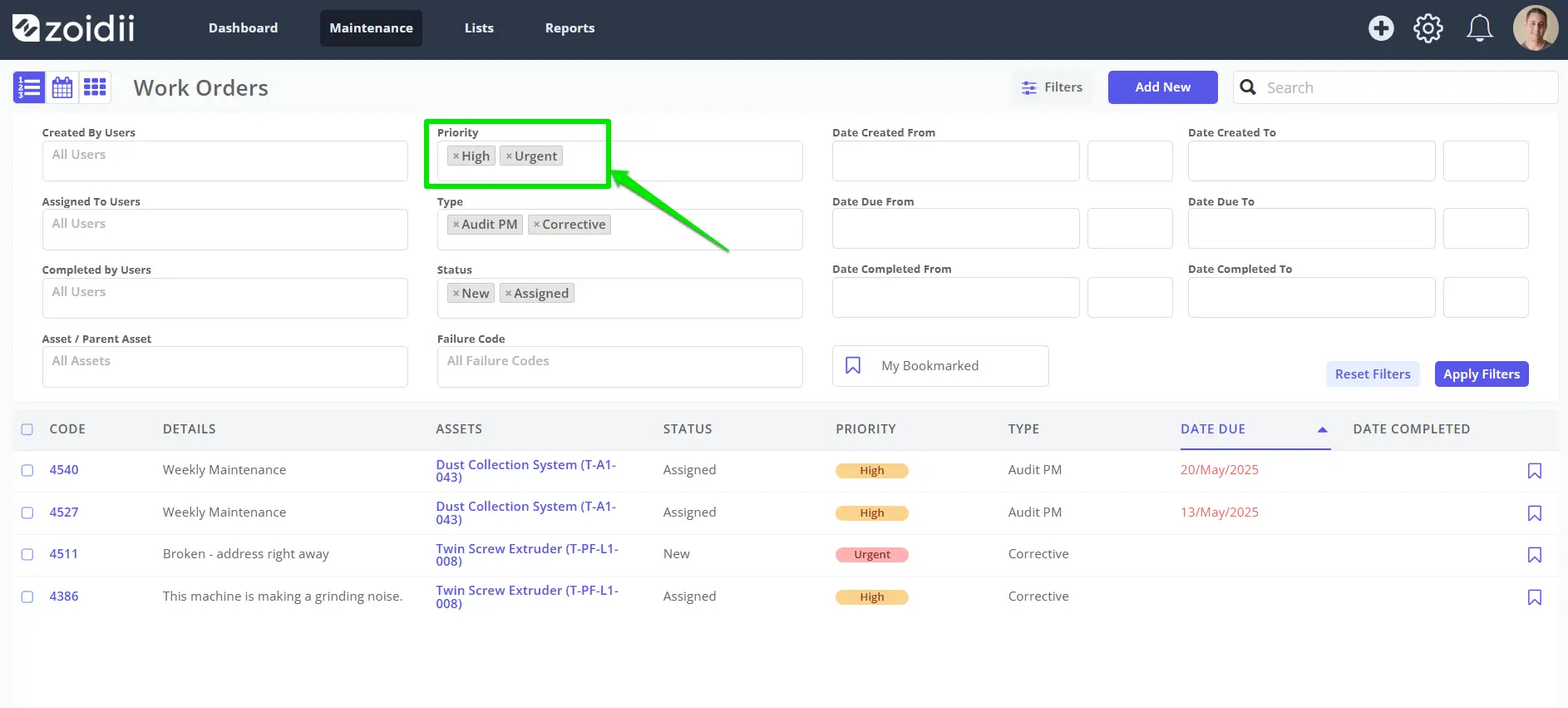
The simplest way to set priorities is by assigning each work order to a category—urgent, high, medium, or low priority. This method is easy to use and helps your team focus on what matters most.
Here’s how to break down your work order priorities:
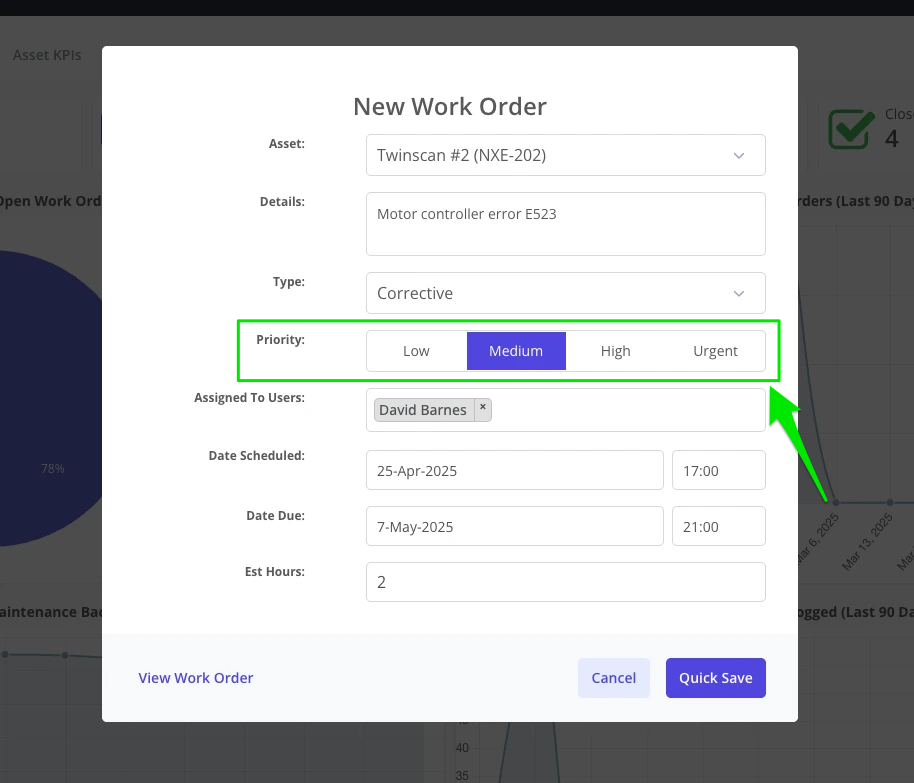
- Urgent - Complete these tasks first. Reserve this level for anything that impacts safety or could cause immediate harm.
- High Priority - Next in line. Use this for work orders where equipment is down and production is affected. Downtime can quickly lead to lost time, money, and missed schedules, so it needs fast attention.
- Medium Priority - Assign this to issues that pose an imminent threat to production uptime but aren’t yet causing an outage.
- Low Priority - Use this for tasks that need to be fixed but aren’t urgent. These can wait until your team has spare capacity.
Maintenance Task Prioritization Methods
Beyond simple urgency, organizations can adopt more advanced maintenance task prioritization approaches.
For instance, incorporating an asset criticality score can provide a more nuanced method, ensuring that tasks related to the most vital equipment are addressed promptly.
Some teams utilize frameworks like the RIME method (Rank, Importance, Urgency, Ease) to evaluate and order tasks systematically.
Backlog Categorization and Lifecycle Stages
Refining this system involves effective backlog segmentation.
This means segmenting the backlog not just by priority but also by its stage in different work order process phases.
For example, you can identify plannable work orders that require parts or further details, distinguishing them from those that are fully prepared.
This clarity ensures that planned maintenance work is scheduled efficiently once all prerequisites are met.
Benefits of a Structured Backlog of Work
Establishing a backlog can help you stay organized and on track with your work orders.
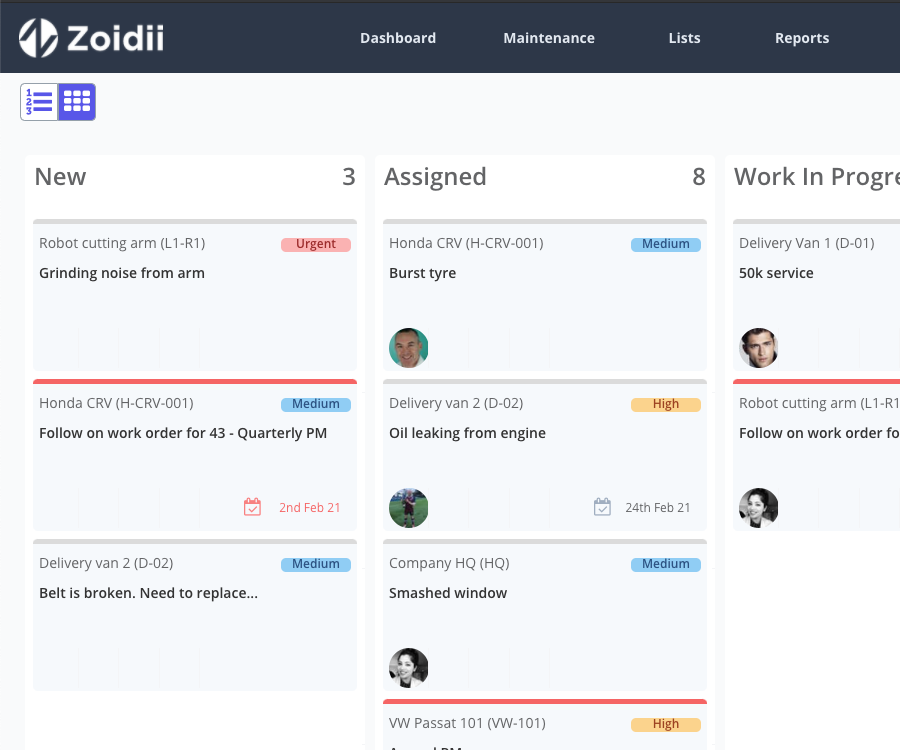
When you have a backlog, you have a structured list of outstanding work that your team needs to complete. This list, or work order queue, helps you:
- Prioritize tasks based on urgency and importance
- Complete work in the most critical sequence
- Track what needs to be done, by whom, and when
Spotting Patterns and Trends
A backlog isn’t just about tracking tasks. It also helps you identify patterns in your work processes.
By reviewing your list, you might notice:
- Certain work orders take longer to complete
- The same types of issues keep recurring
With a CMMS, you can quickly compare estimated and actual completion times using closed work order reports. Many solutions, like Zoidii, allow you to drill down into specific maintenance types or assets to gain deeper insights and discover new ways to improve.
Improved Communication and Team Alignment
A backlog can help you communicate more effectively with your team or colleagues. When everyone has visibility on open work orders and deadlines, it keeps everyone aligned and working toward the same goals.
Staying Focused and Motivated
Finally, having a backlog can help you stay focused and motivated.
It’s satisfying to see progress as you check off completed tasks. This running list can help you stay focused and maintain momentum, even during busy periods.
In conclusion, establishing a backlog can benefit your work order management. It can help you stay organized, identify patterns in your work processes, communicate more effectively with your team, and maintain focus and motivation.
Setting SMART Goals for Backlog Maintenance
Setting clear goals for managing your backlog will help ensure your efforts are focused and effective.
Establishing specific, measurable, achievable, relevant, and time-bound (SMART) goals can help you stay focused on achieving your desired outcomes.
Some goals to consider include reducing the backlog by a specific percentage, decreasing the average number of days to close work orders, or developing a clear plan for addressing deferred maintenance of non-critical items.
Backlog Review Process and Data Quality
To support these goals, implementing a regular backlog assessment routine is important. Key objectives of such a process include improved resolution of inactive work orders (addressing tasks that are old, duplicated, or unclear) and enhanced accuracy of work order data to ensure all necessary information is present before work commences.
Cross-Departmental Backlog Review Meetings
Periodic maintenance planning meetings are crucial, and for broader alignment, a collaborative backlog review involving teams such as operations can be highly beneficial.
A CMMS with dashboards and reports that can easily show this information will make your goal tracking much more effortless.
Maintenance Staffing Strategy for Backlog Control
Once you've established your goals and prioritized your tasks, assigning resources to tackle urgent and high-priority items is necessary.
Technician Training and Resource Planning
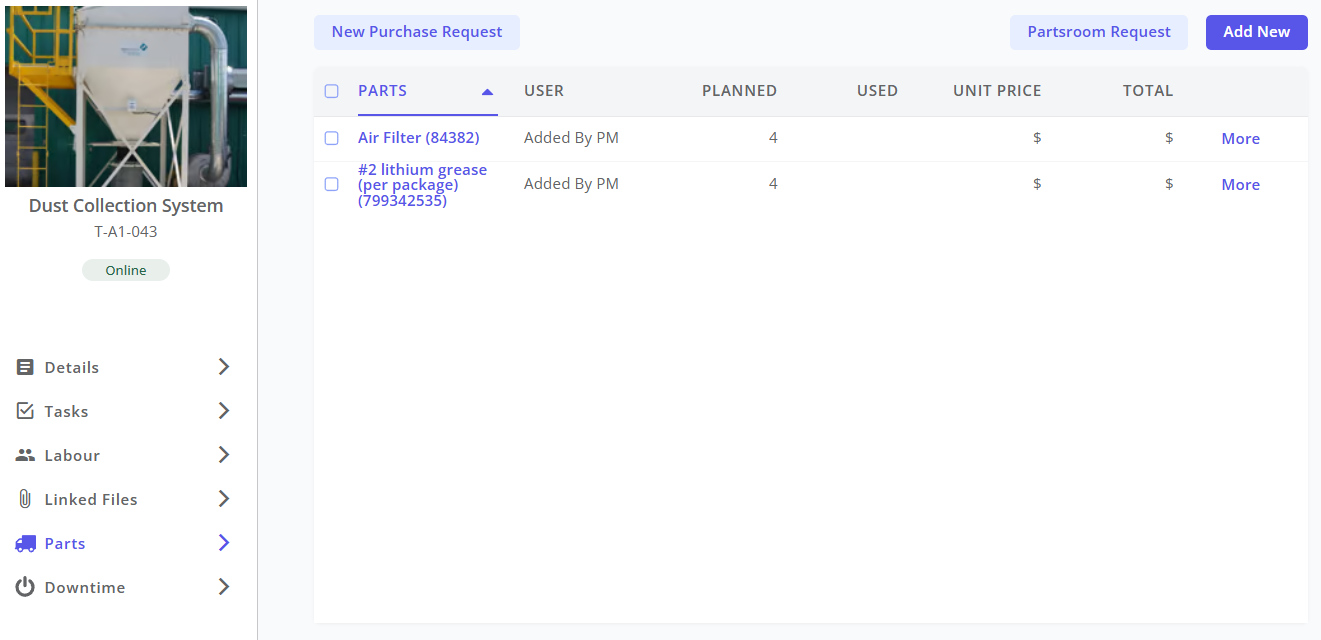
This requires a thoughtful maintenance team allocation plan, which may include training technicians to improve efficiency and upskill your current team. For periods of high demand or specialized tasks, bringing in contract maintenance staff can be a viable option.
Maintenance Team Capacity Planning
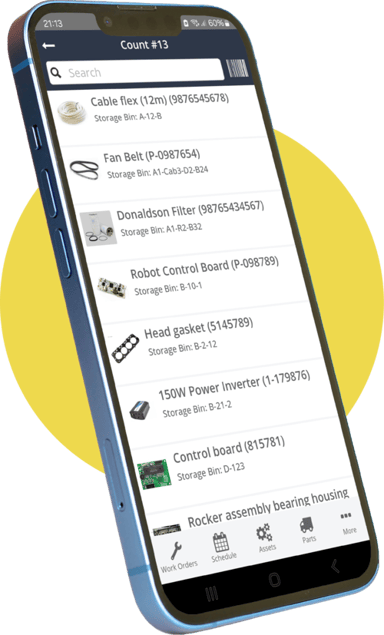
A key part of this is proactively addressing workforce gaps through effective capacity planning for maintenance teams, ensuring you have the right skills available when needed. With a mobile CMMS like Zoidii, you can immediately check schedules and assign work from your phone or tablet.
From there, technicians will receive real-time notifications on their phones or tablet, letting them know that an urgent work order has been assigned to them.
Data-Driven Backlog Management Decisions
Data is a useful tool that enables you to make informed decisions about your work order backlog management. By analyzing data on your work order completion rates, response times, and downtime metrics, such as MTTR (mean time to repair), you can identify areas for improvement and use data-driven insights to optimize your maintenance operations.
Backlog KPIs and Work Order Aging Reports
Key backlog performance indicators (KPIs) should be tracked, and tools like a work order aging summary can highlight tasks that require urgent attention or investigation.
The correct data collection and analysis tools from a CMMS are important to ensure you access the most relevant and accurate information.
Determining Ideal Backlog Size and Metrics
One important factor that influences your backlog management is determining the optimal backlog size. Too large a backlog can overwhelm your team, cause task delays and bottlenecks, and negatively impact productivity.
On the other hand, a backlog that is too small could lead to the underutilization of your resources and decreased work efficiency. Finding an appropriate maintenance backlog size is key for keeping maintenance operations running smoothly.
Determining Ideal Backlog Size and Metrics
To determine this, a proper backlog work hour calculation is needed. This often involves a backlog in calculating workdays (for example, total estimated hours of all work orders divided by available technician hours per day) to understand the current labor load.
Acceptable Maintenance Backlog and Ready-to-Execute Orders
Setting a goal backlog timeframe, such as 2-4 weeks of work, helps in managing expectations and resources. Consistent backlog monitoring is necessary to prevent it from growing uncontrollably.
In addition, knowing the size of your ready-to-schedule backlog, those work orders with all parts and planning complete, is a strong indicator of near-term scheduling capacity and operational readiness.
Best Backlog Management Tool: Work Order Software
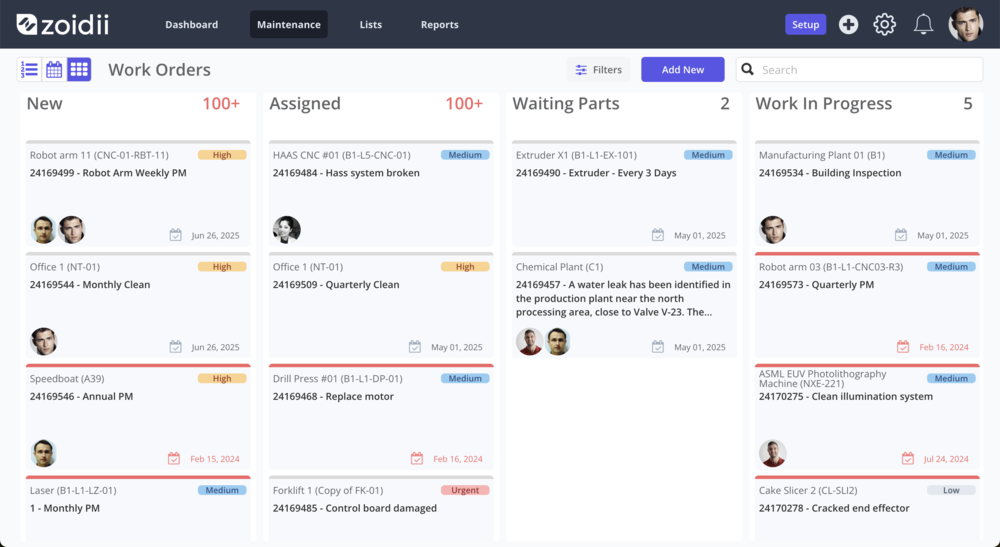
Work order management software (CMMS) is a valuable tool, often considered the top backlog management solution, to help your organization streamline and automate work order management processes.
You can optimize your maintenance operations and increase your team's productivity with automated task assignments, workflow tracking, and data analytics.
Choosing the right CMMS software for your business needs is important and should be based on your budget, specific requirements, and goals, and ease of use.
Optimizing Your Backlog of Orders for Productivity
Managing your work order backlog, essentially your queue of maintenance tasks for the maintenance team, is crucial for maintaining smooth operations and achieving high productivity.
Take Control of Your Backlog with Zoidii
Controlling your work order backlog is crucial for maintaining smoother operations, achieving higher productivity, and reducing stress for your team.
By following the process outlined in this article, you can establish an efficient system for prioritizing tasks, setting clear goals, assigning resources, tracking progress, and using data to support decision-making.
Zoidii gives you the tools to stay organized and boost efficiency at every step. Want to see how Zoidii can help your team? Contact us today to get started..