
In today’s manufacturing, downtime significantly impacts profits, customer satisfaction, and operational efficiency. The team plans and needs some downtime. But, unplanned or avoidable downtime can cause serious problems.
To minimize losses, it’s essential to understand the causes of production downtime and how to rectify them.
This article looks at the top five causes of production downtime. It also provides practical tips to mitigate or eliminate their effects.
1. Equipment Failures
Why It Happens:
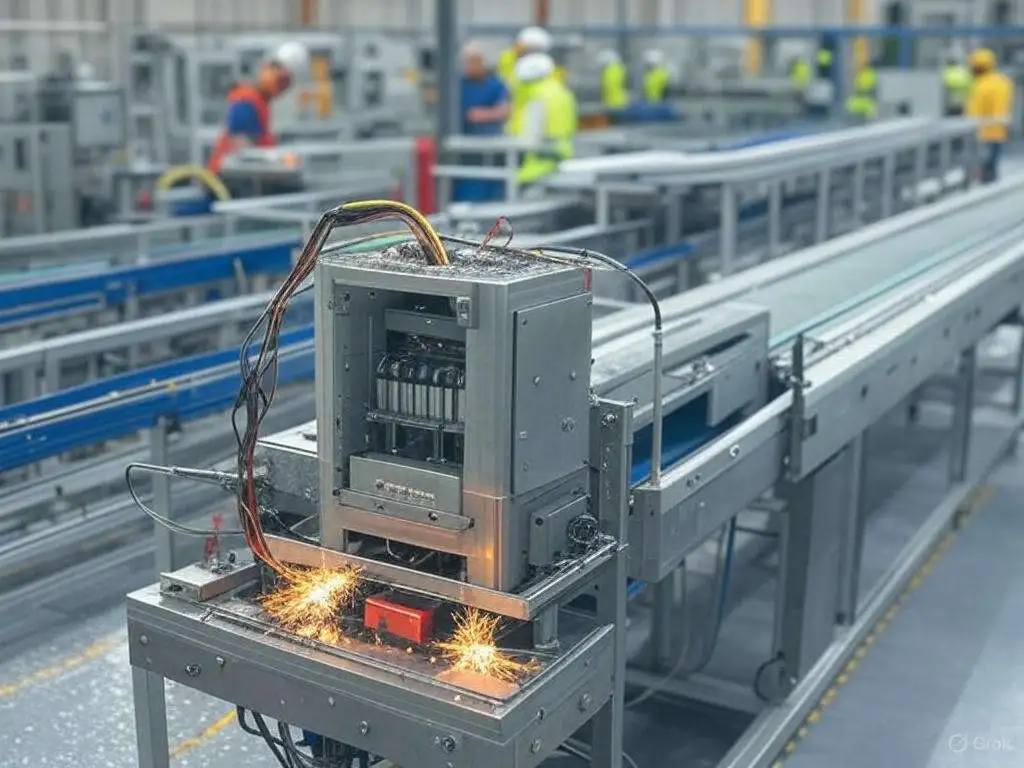
Equipment and machinery are the lifeblood of any production facility. They can wear out, have technical problems, or age. This can cause sudden failures. From conveyor belts to CNC machines, a single faulty component can bring an entire production line to a halt.
Often, equipment failure results from:
- Overuse or running beyond the designed capacity.
- Lack of routine maintenance.
- Faulty installation or calibration.
- Ignoring early warning signs, such as noise or vibration, is unwise.
How to Reduce It:
- Use Predictive Maintenance (PdM): Use sensors and data analytics. These tools help track conditions and predict failures before they happen. Technologies like vibration analysis, thermal imaging, and oil analysis can detect hidden problems.
- Schedule regular inspections: Plan to check and service machines often.
- Train operators to spot issues. Teach them to notice strange sounds, odd movements, and error codes. They should report these as soon as possible.
- Invest in Modern Equipment: Older machines are more prone to failure. Switching to newer, more reliable options can boost long-term uptime and productivity.
2. Human Error
Why It Happens:
Even with new technology, human input remains vital in many production processes. Unfortunately, this means human error remains a leading cause of downtime. Mistakes, such as incorrect machine settings, mishandling materials, or skipping steps, can halt operations.
Common contributors include:
- Insufficient training or experience.
- Fatigue or distractions.
- Ambiguous instructions or a lack of clear standard operating procedures.
- High-pressure environments that compromise focus.
How to Reduce It:
- Invest in Comprehensive Training: Provide ongoing training and upskilling opportunities for all personnel. Ensure employees understand both the equipment and the procedures they're expected to follow.
- Create and follow SOPs: Clear, documented procedures reduce errors and keep things consistent.
- Use Visual Aids and Checklists: Visual cues and checklists help reduce mental effort. They also ensure that important steps are not overlooked.
- Foster a No-Blame Culture: Encourage employees to share near-misses and mistakes. They should feel safe and not fear punishment. Learning from mistakes is the key to long-term improvement.
3. Supply Chain Disruptions
Why It Happens:
An efficient supply chain is essential to maintaining steady production. Global interdependencies can cause delays. Transport delays, labor strikes, and material shortages hinder the delivery of key parts and raw materials.
Recent global events, such as the COVID-19 pandemic and rising geopolitical tensions, have highlighted to many manufacturers the fragility of their supply chains. Production stalls when inventory isn't available—regardless of how optimized internal processes are.
How to Reduce It:
- Diversify Suppliers: Avoid dependency on a single supplier. Having many options provides flexibility in case of delays or disruptions.
- Maintain Safety Stock: Effective inventory management involves maintaining a buffer stock of key materials. This helps fill short-term gaps.
- Strengthen Supplier Relationships: Work together with key suppliers. This can boost communication and reliability.
- Use Supply Chain Management (SCM) Software: Real-time tracking, analytics, and forecasting tools help you spot possible disruptions ahead of time. Then, you can adapt as needed.

4. Ineffective Maintenance Practices
Why It Happens:
Many manufacturers depend on reactive maintenance. They wait for something to break before fixing it. This "fix-it-when-it-fails" mindset can cause longer downtimes. It also leads to higher repair costs and extra damage to equipment.
Even preventive maintenance programs can suffer from poor management if:
- Maintenance schedules are inconsistent.
- There is a lack of historical maintenance data.
- Undertraining or overburdening affects technicians.
- Communication between departments is poor.
How to Reduce It:
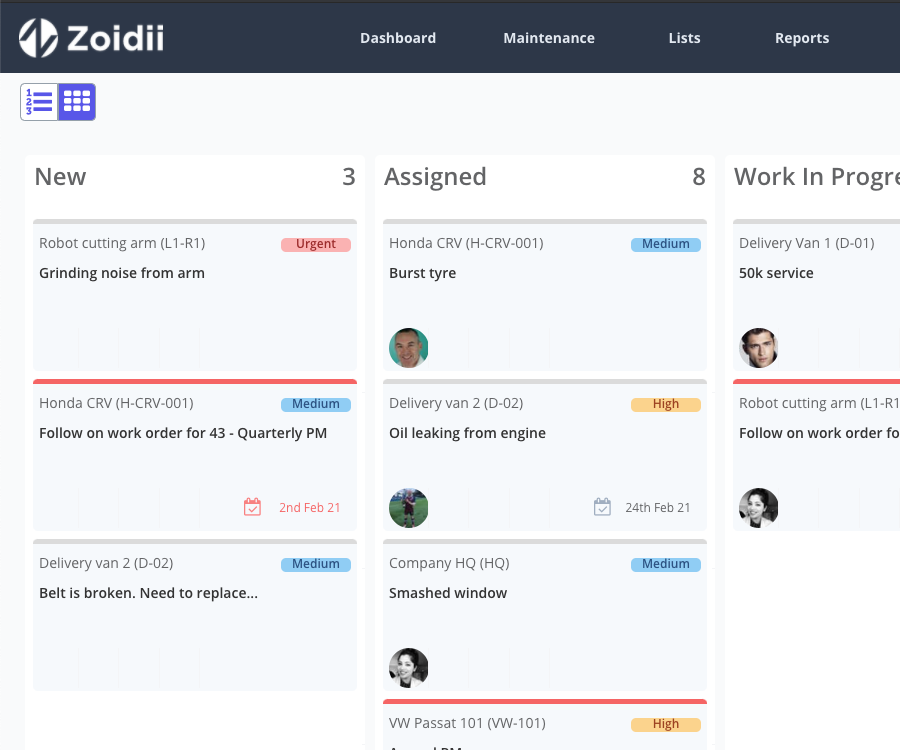
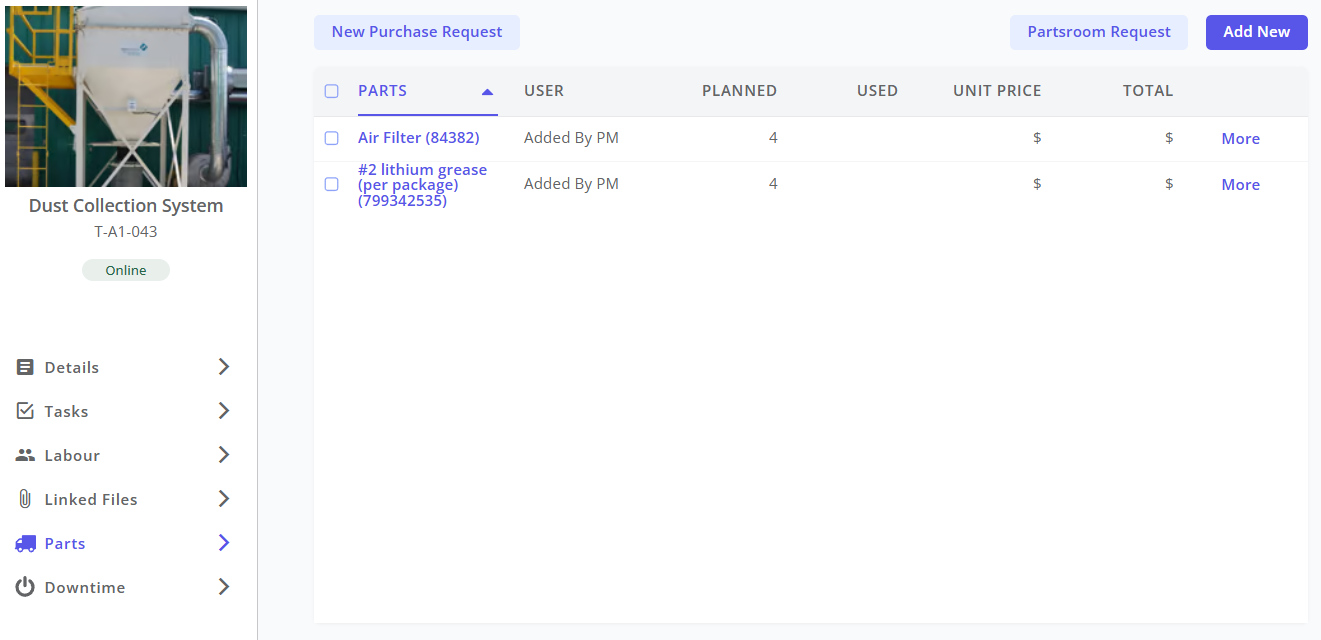
- Use a Maintenance Management System (CMMS). A CMMS schedules, tracks, and documents maintenance activities. This creates transparency and accountability.
- Introduce Predictive Maintenance: Change from time-based maintenance to condition-based maintenance. Track key metrics and look at trends to guide your decisions.
- Train technicians on equipment: Ensure maintenance teams can operate different tools with skill. This will help them respond with speed and efficiency.
- Audit and Review Maintenance Records: A thorough examination of maintenance records can highlight recurring issues and improve scheduling.
5. Unplanned Power Outages
Power outages or surges can happen due to:
- grid failures
- extreme weather
- infrastructure problems
- internal electrical faults
Restarting systems after a blackout can take a lot of time. This is especially true for complex tasks like chemical processing and precision machining.
How to Reduce It:
- Install Backup Power: Use generators or UPS to keep key systems running during outages.
- Conduct regular electrical audits: find weaknesses in the facility.
- Work with energy providers. Keep updated on scheduled maintenance or local grid problems that may impact operations.
- Install Energy Monitoring Tools: Track power use and spot issues. This helps to prevent overloads and sudden shutdowns.
Final Thoughts
Downtime happens in every production process. Yet, we should not see unplanned and preventable downtime as normal. By tackling the most common causes, organizations can improve operational reliability.
Key Takeaways:
- Proactive planning beats reactive recovery.
- Technology is a powerful enabler for early detection and automation.
- Well-trained personnel are your first line of defense against avoidable downtime.
- Supply chain agility and power resilience are non-negotiable in today’s volatile world.