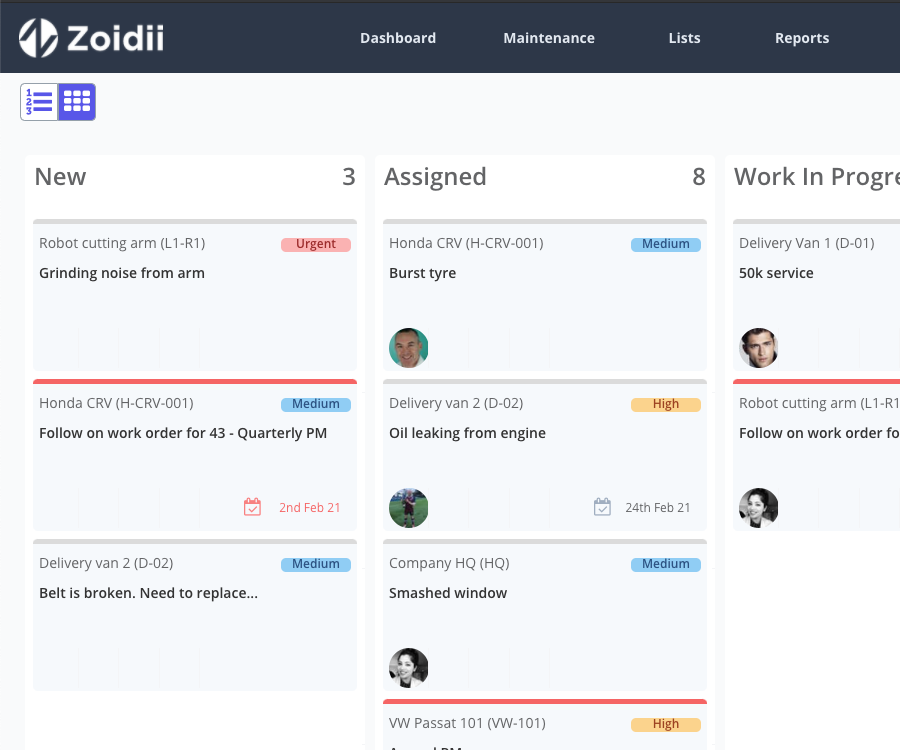

Maintenance and reliability leaders are always looking for better ways to improve asset performance. They aim to reduce downtime and make operations more efficient. A Computerized Maintenance Management System (CMMS) is a valuable tool. It helps improve asset management by offering clear data insights.
Using CMMS data well leads to better decisions, smoother processes, and more reliable assets.
Here’s a comprehensive guide on how to leverage CMMS data to improve asset management.
Understanding the Role of a CMMS in Asset Management
A CMMS is more than a digital log of maintenance work; it is the cornerstone of modern asset management. A CMMS centralizes information on assets, work orders, inventory, and maintenance schedules. This helps create a clear plan for taking care of assets. It helps maintenance teams track asset lifecycles. They can analyze trends and make smart decisions. This way, they maximize asset uptime and performance.
Effective use of CMMS data helps maintenance and reliability leaders:
- Improve Asset Performance: By identifying common issues and addressing their root causes, maintenance teams can significantly boost asset reliability.
- Reduce Operational Costs: Efficient resource allocation based on CMMS data minimizes waste and reduces unnecessary expenses.
- Support Strategic Planning: CMMS insights assist in long-term planning, such as capital investment decisions and lifecycle management.
1. Mobile Access to Asset Logbooks and SOPs to Quickly Troubleshoot Asset Breakdowns
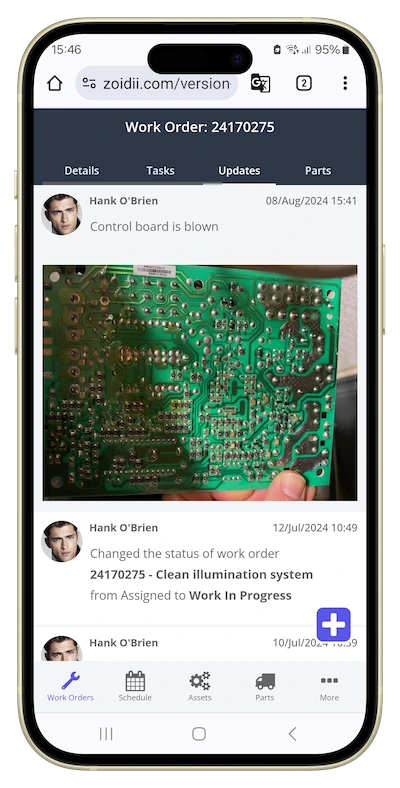
One of the most impactful advancements in CMMS technology is mobile accessibility. Technicians using mobile devices can check asset logbooks, SOPs, and other maintenance data right by the asset. This immediate access empowers them to diagnose and resolve issues with greater efficiency.
Benefits of Mobile CMMS for Troubleshooting:
- Historical information: Techs can check asset history, previous work orders, and maintenance logs. This helps them find recurring issues.
- Streamlined Communication: Mobile CMMS platforms facilitate instant collaboration between field teams and supervisors.
- Faster Repairs: Techs can cut diagnosis and repair times with easy access to SOPs and troubleshooting guides.
2. Using Parts Usage Data to Forecast Future Needs
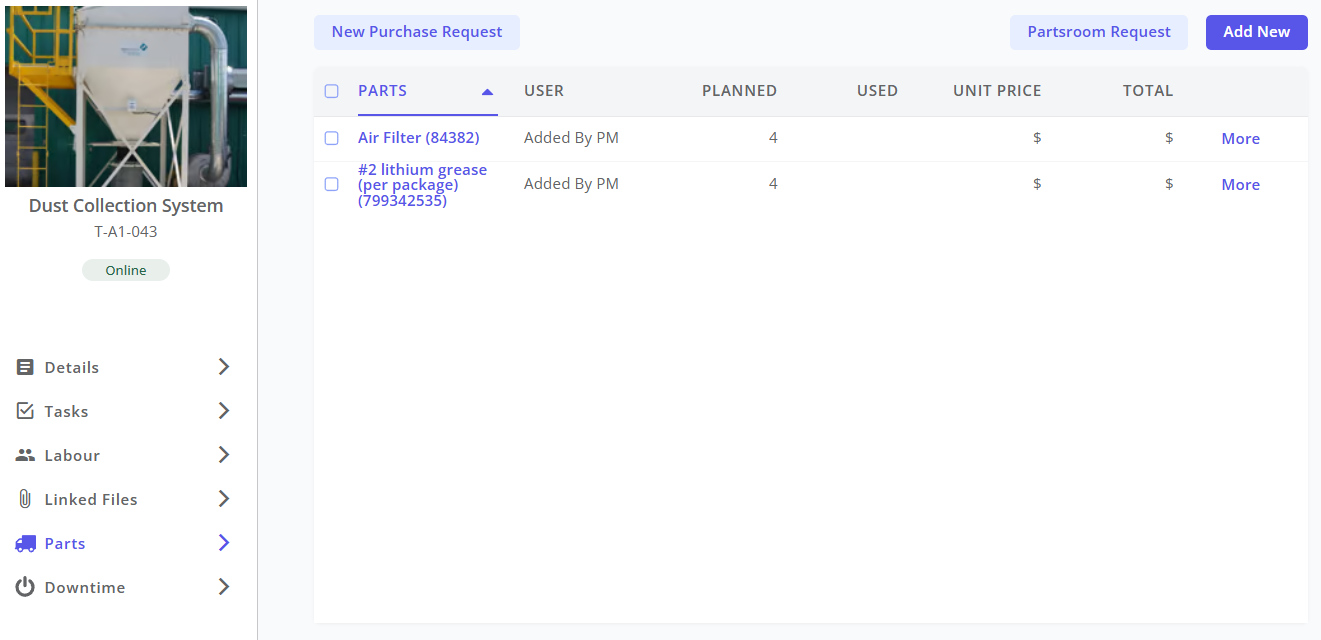
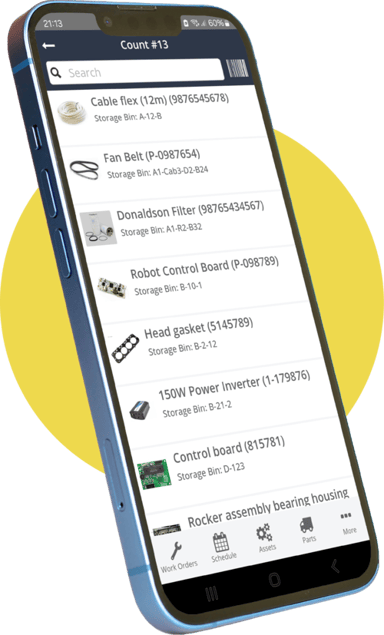
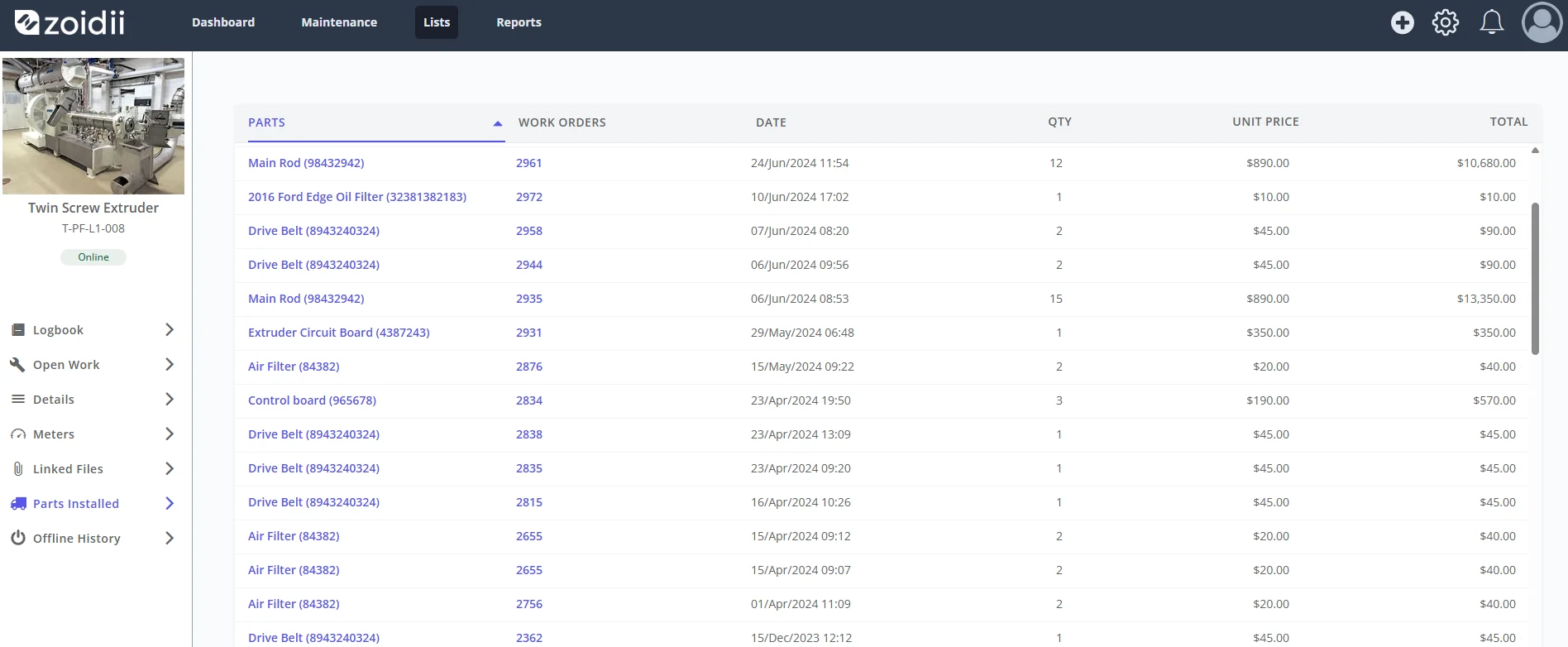
A CMMS tracks parts usage. It provides valuable insights for managing inventory and purchasing supplies. By analyzing this data, maintenance teams can predict future needs. This helps them avoid stockouts and overstocking.
Steps to Leverage Parts Usage Data:
- Identify Trends: Analyze CMMS reports to determine the frequency and timing of parts usage.
- Keep Inventory Levels: Maintain sufficient key spare parts to minimize downtime.
- Budget Effectively: Forecasting parts needs helps align procurement budgets with operational requirements.
3. Leveraging Failure Modes and Effects Analysis (FMEA) to Build Better Preventive Maintenance Schedules
Failure Modes and Effects Analysis (FMEA) is a methodical approach. It identifies potential failure modes in assets and evaluates their effects. Combining FMEA findings with CMMS data helps maintenance teams create better preventive maintenance (PM) schedules.
Steps to Use FMEA with CMMS:
- Identify Failure Modes: Analyze past CMMS data to identify common asset failure patterns.
- Prioritize Risks: Rank failure modes based on their severity, frequency, and detectability.
- Develop PM Tasks: Align preventive tasks with high-risk failure modes. This helps reduce potential issues.
4. Analyzing KPIs to Measure and Improve Asset Management Performance
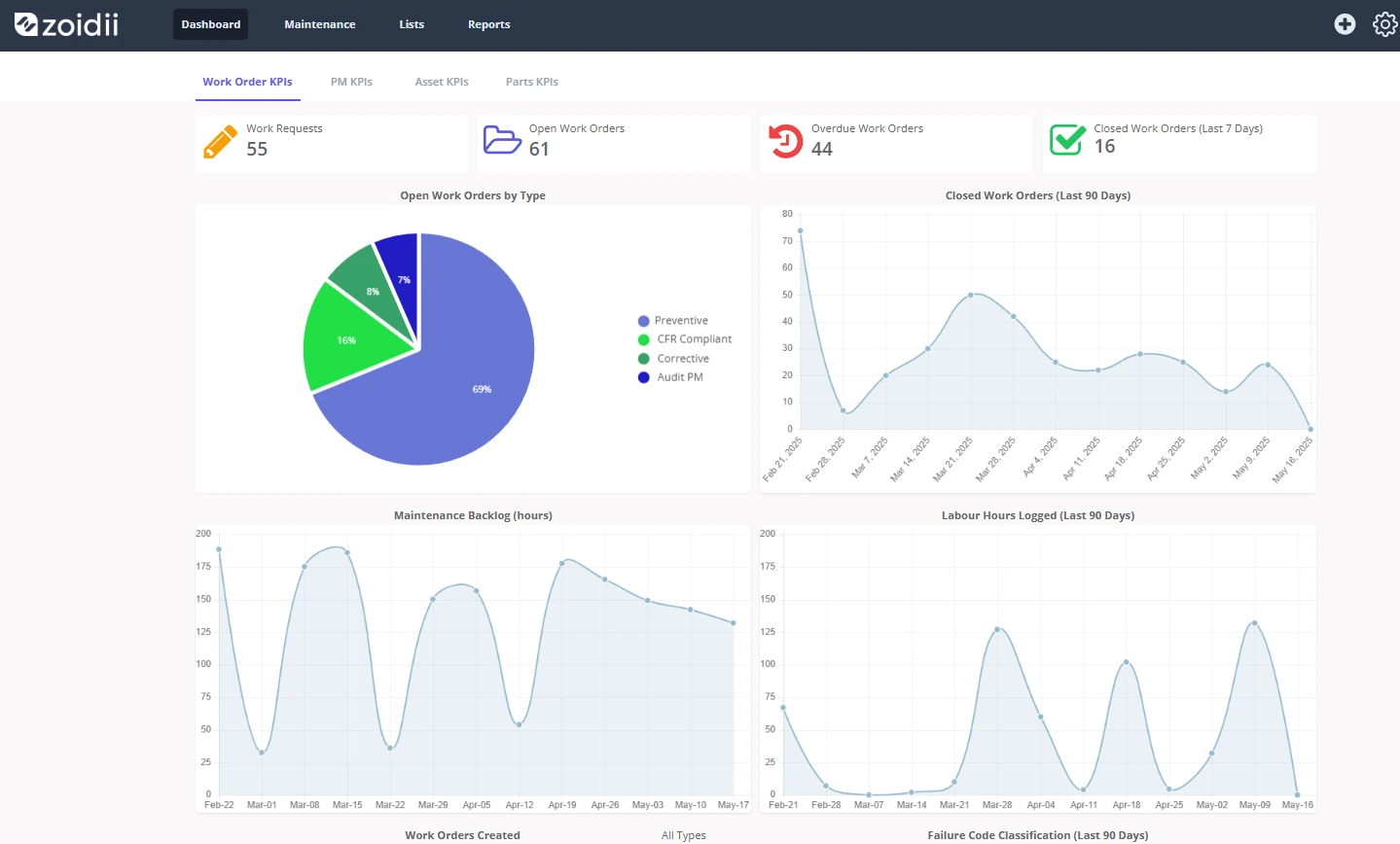
KPIs measure how well your maintenance and asset management strategies are performing. Maintenance leaders can analyze CMMS data to track key KPIs. They can identify areas for improvement and make informed decisions based on data.
Here are some essential KPIs to monitor:
1. Planned Maintenance Percentage (PMP) This KPI measures the ratio of planned to unplanned maintenance work. To find the percentage, divide the planned maintenance work orders by the total work orders. Then multiply the result by 100. A high PMP indicates that the maintenance team takes proactive measures instead of responding to issues after they arise.
2. Preventive Maintenance Compliance (PMC) PMC tracks how well a maintenance team adheres to its preventive maintenance schedule. To calculate it, divide the number of completed preventive maintenance work orders done on time by the total scheduled PM work orders for that period.
3. Mean Time to Repair (MTTR) MTTR measures the average time needed to diagnose and fix equipment after it fails. It is calculated by dividing the total repair time by the number of repairs over a certain period. A low MTTR means the maintenance team can quickly get equipment running again. This helps reduce downtime.
4. Mean Time Between Failures (MTBF) MTBF represents the average time between equipment failures. You calculate it by dividing the total operating time between two dates by the number of failures in that time. A high MTBF means the equipment is reliable. This means fewer breakdowns and better performance.
5. Asset Heavy Hitters This KPI identifies the assets with the highest maintenance costs or the most maintenance time. Knowing which assets are the "heavy hitters" helps leaders decide what to replace or repair.
6. Stock Turns This KPI shows how often maintenance inventory gets used and replaced during a set time. It is calculated by dividing the cost of parts used on work orders in a given period by the average inventory value during that period. A higher stock turn rate shows good inventory management. This means less risk of overstocking or running out of stock.
5. Integrating CMMS Data with Other Enterprise Systems
To get the most from CMMS data, link it with other systems like ERP software. This integration creates a unified view of asset management and supports cross-functional collaboration.
Benefits of System Integration:
- Improved Financial Planning: Syncing CMMS with ERP software allows for better alignment of maintenance budgets with organizational goals.
- Enhanced Data Accuracy: Centralized data eliminates silos and reduces errors.
- Holistic Asset Insights: Merging operational and financial data gives a full view of asset performance.
Practical Steps to Enhance CMMS Adoption
To make CMMS data useful, your team needs to adopt and use it properly. Here are some strategies:
1. Promote the benefits of CMMS software to employees: Employers should share the benefits of CMMS with employees. This helps boost buy-in and engagement.
2. Get them involved in the CMMS selection process: Involving employees in the selection process is crucial when selecting a CMMS solution. Getting key stakeholders involved early in the selection and implementation process is important. It ensures their needs and concerns are heard. This leads to more support and participation.
3. Ensure the CMMS is user-friendly: Choose a CMMS that features an intuitive and user-friendly interface, which will help minimize the learning curve. CMMS software with user-friendly interfaces can significantly enhance adoption rates.
In this related article, we cover 13 strategies to increase CMMS software user adoption.
In Summary
Leaders in maintenance and reliability can boost their asset management strategies by tapping into a CMMS’ data features. Real-time mobile access helps teams use CMMS data effectively. By optimizing preventive maintenance schedules with FMEA, they can make smart choices. This leads to less downtime, lower costs, and better asset performance. Focusing on KPIs, predicting parts use, and integrating systems helps your organization get the most from its CMMS investment. A CMMS can be a key tool for improving operations and ensuring asset reliability. With the right strategies, it helps drive excellence over the long term.