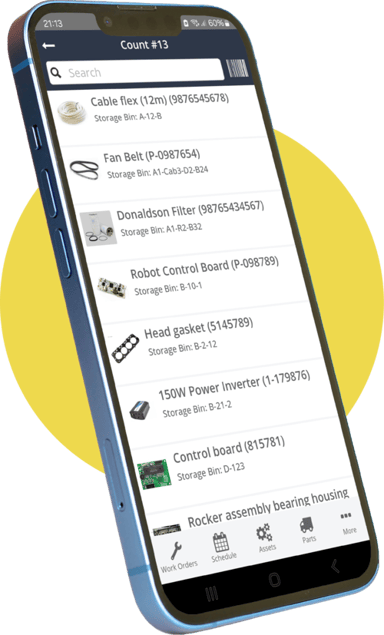
The term 'Equipment Hierarchy' in the context of Computerized Maintenance Management Systems (CMMS) refers to the structured organization of equipment and machinery in a facility.
This hierarchy is crucial for efficient asset management, scheduling maintenance, and tracking costs. In this glossary entry, we will explore the concept of Equipment Hierarchy, its significance, and how it is implemented in a Computerized Maintenance Management System (CMMS).
The Value of Equipment Hierarchy in CMMS
Understanding the Equipment Hierarchy structure in a CMMS is essential for any facility manager or maintenance professional.
It enables a systematic approach to asset management, ensuring that all equipment is accounted for, properly maintained, and replaced as necessary.
Furthermore, it clearly shows the interrelationships between different pieces of equipment, which is invaluable for troubleshooting and preventive maintenance.
Incorporating effective inventory management practices enables facilities to further enhance the efficiency of their asset tracking and maintenance processes.
Concept of Equipment Hierarchy
The concept of Equipment Hierarchy is based on the idea that all equipment in a facility can be organized in a hierarchical structure, similar to a family tree.
The facility itself is at the top of the hierarchy, followed by different departments or areas within the facility. Each department or area is then broken down into individual pieces of equipment, which can further be divided into sub-components or parts.
Organizing equipment structure for efficient asset management
This hierarchical structure provides a clear and organized view of all the assets within a facility. It enables easy identification and tracking of equipment, facilitating the scheduling of maintenance tasks, allocation of resources, and effective cost management.Furthermore, it helps in identifying the interdependencies between different pieces of equipment, which can be critical for troubleshooting and preventive maintenance.
Why is Equipment Hierarchy Important?
Having a well-defined Equipment Hierarchy is crucial for efficient asset management. It provides a structured framework for organizing and tracking all the assets within a facility.
Equipment Hierarchy is also essential because it:
- Simplifies the scheduling of maintenance tasks and managing associated costs.
- Ensures efficient asset management by keeping equipment organized and easily accessible.
- Helps identify interdependencies between different pieces of equipment, crucial for troubleshooting.
- Enhances preventive maintenance by allowing quick identification and resolution of potential issues.
- Minimizes the impact of equipment failures by enabling maintenance professionals to address the related problems more efficiently.
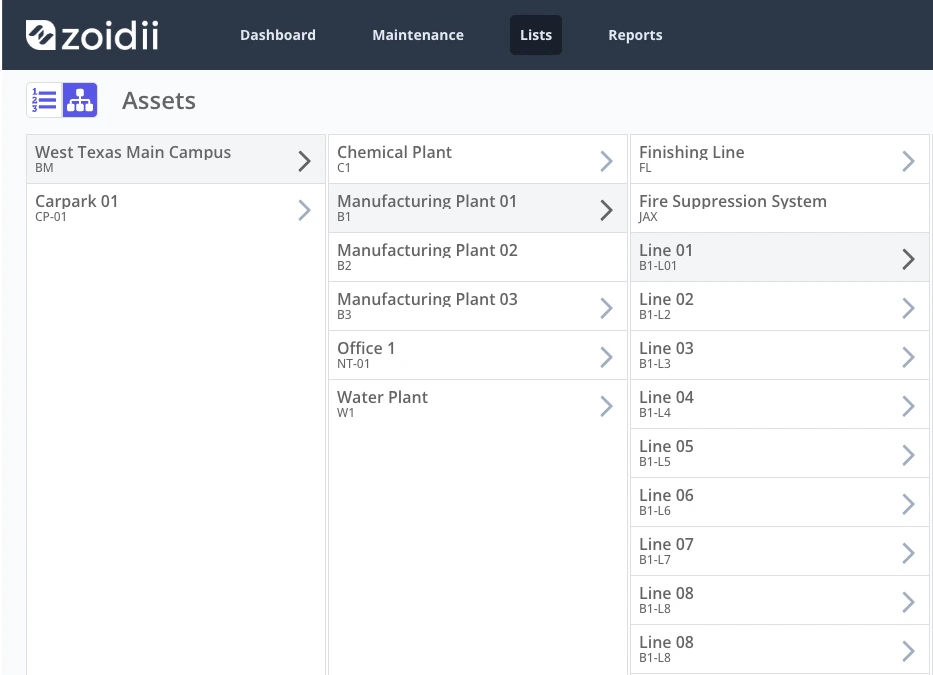
What are the Key Levels in an Equipment Hierarchy
The exact levels in an Equipment Hierarchy can vary depending on the size and complexity of the facility.
However, a typical hierarchy might include the following levels: Facility, Department/Area, Equipment, and Part. Each level in the hierarchy represents a different level of granularity in the asset management process.
1. Facility level in the asset management hierarchy
At the top level, the Facility represents the entire physical location of the assets. This could be a single building, a campus of buildings, or even multiple locations spread across different geographical areas.2. Department or area level in equipment hierarchy structure
The department or area level represents different sections within the facility, such as production, warehouse, office, etc. Each department is organized based on its function, enabling streamlined resource allocation and targeted maintenance hierarchy planning across various zones within the facility.3. Equipment level in the machine hierarchy
The Equipment level represents individual pieces of machinery or equipment within each department or area. This level of granularity is essential for accurate equipment maintenance tracking and equipment preventive maintenance scheduling, ensuring that all critical assets are properly maintained.4. Part level in equipment classification
Finally, the Part level represents individual components or parts of each piece of equipment. Proper equipment classification at this level supports efficient asset hierarchy in CMMS by enabling quick identification of parts for repairs and replacements.Implementing Equipment Hierarchy in CMMS
Implementing an Equipment Hierarchy in a CMMS involves creating a structured database of all the assets within a facility. This database is then used to manage and track all the assets, schedule maintenance tasks, and manage costs.
The process of implementing an Equipment Hierarchy in a CMMS can be broken down into several steps.
Building an Effective Asset Hierarchy in CMMS
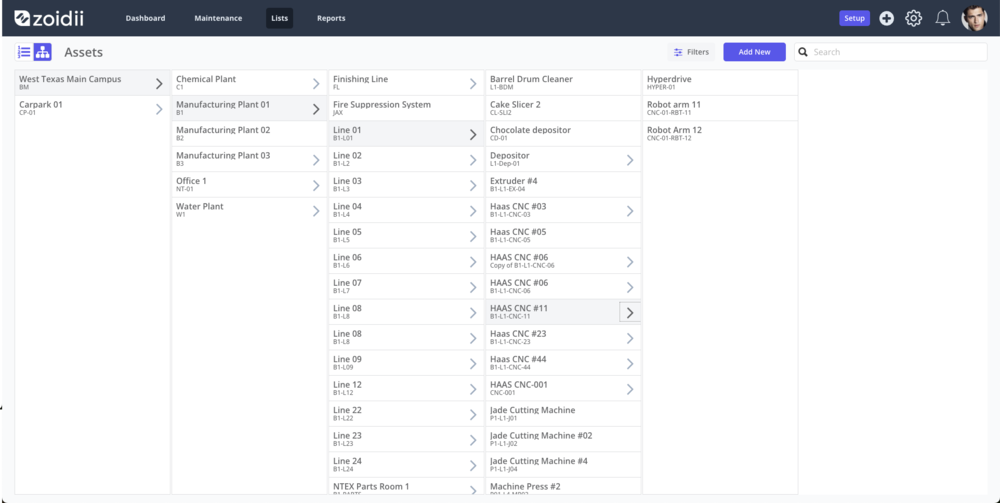
The first step is to identify all the assets within the facility. This includes not only the major pieces of equipment but also the smaller components and parts.Once all the assets have been identified, they are organized into a hierarchical structure based on their location and function within the facility. This structure forms the basis of the Equipment Hierarchy.
Asset Identification
The process of asset identification involves creating a comprehensive list of all the assets within the facility. This includes not only the major pieces of equipment but also the smaller components and parts.Each asset is assigned a unique identifier, which is used to track and manage the asset in the CMMS.
Asset identification through an asset naming convention is a critical step when implementing an Equipment Hierarchy in a CMMS. Without a comprehensive list of assets, a meaningful hierarchy would be impossible.
The unique identifiers assigned to each asset are crucial for tracking and managing the assets in the CMMS.
Asset Organization
Once all the assets have been identified, the next step is to organize them into a hierarchical structure. This involves grouping the assets based on their location and function within the facility.For example, all the assets in the production department would be grouped together, and within that group, assets would be further grouped based on their specific function or role.
This hierarchical structure forms the basis of the Equipment Hierarchy in the CMMS. It provides a structured framework for managing and tracking the assets, scheduling maintenance tasks, and managing costs.
Furthermore, it helps in identifying the interdependencies between different pieces of equipment, which can be critical for troubleshooting and preventive maintenance.
What are the Benefits of Equipment Hierarchy in CMMS?
Implementing an Equipment Hierarchy in a CMMS offers several benefits. It provides a structured framework for managing and tracking all assets within a facility, making it easier to schedule maintenance tasks, allocate resources, and manage costs effectively.
The equipment hierarchy structure helps in identifying the interdependencies between different pieces of equipment, which can be critical for troubleshooting and preventive maintenance. Recognizing these relationships allows maintenance teams to address potential issues proactively.
1. Optimizing resource allocation and maintenance planning
One key benefit of an Equipment Hierarchy is that it provides a clear and organized view of all the assets within a facility. This makes it easier to identify and track equipment, which in turn facilitates the scheduling of maintenance tasks and the management of costs.The interrelationships between different pieces of equipment allow maintenance professionals to quickly identify and address potential issues.
2. Improved Asset Management
One key benefit of an Equipment Hierarchy in a CMMS is improved asset management.An equipment hierarchy provides a structured framework for organizing and tracking assets, making it easier to manage all the assets within a facility. This includes scheduling maintenance tasks, allocating resources, and managing costs.
An Equipment Hierarchy can help in identifying the interdependencies between different pieces of equipment. This can be critical for troubleshooting and preventive maintenance.
For example, if a particular part fails in a piece of equipment, it can affect the performance of other equipment that depends on it. Maintenance professionals can quickly identify and address such issues by understanding the equipment hierarchy.
3. Cost Savings
Another significant benefit of an Equipment Hierarchy in a CMMS is the cost savings it provides. By providing a clear and organized view of all assets within a facility, an Equipment Hierarchy makes it easier to manage costs effectively. This includes both the direct costs of maintenance and repair, as well as the indirect costs associated with equipment downtime and lost productivity.Furthermore, by understanding the interrelationships between different pieces of equipment, maintenance professionals can proactively address potential issues before they lead to costly equipment failures.
This proactive approach aligns well with principles of reliability, maintainability, and availability, ultimately driving long-term savings.
Building a Strong Foundation
In conclusion, the concept of Equipment Hierarchy is a fundamental aspect of any Computerized Maintenance Management System (CMMS). It provides a structured framework for managing and tracking all assets within a facility, making it easier to schedule maintenance tasks, allocate resources, and manage costs effectively.
Furthermore, it helps in identifying the interdependencies between different pieces of equipment, which can be critical for troubleshooting and preventive maintenance.
Implementing an Equipment Hierarchy in a CMMS involves creating a structured database of all the assets within a facility. This database is then used to manage and track all the assets, schedule maintenance tasks, and manage costs.
The process of implementing an Equipment Hierarchy in a CMMS can be broken down into several steps, including asset identification and asset organization.