The concept of Equipment Lifecycle is a crucial aspect of any industry that relies on machinery or equipment for its operations. It refers to the stages that a piece of equipment goes through from the time it is acquired until it is disposed of.
Understanding this lifecycle is essential for effective equipment management, and a Computerized Maintenance Management System (CMMS) plays a pivotal role in this process.
CMMS is a software package that maintains a database of information about an organization's maintenance operations. This information is intended to help maintenance workers do their jobs more effectively and to help management make informed decisions.
This article will delve into the intricacies of the Equipment Lifecycle and how a CMMS aids in its management.
Understanding Equipment Lifecycle
The Equipment Lifecycle is a concept that describes the stages a piece of equipment goes through from the time it is first conceived as a need, through its operational life, and until it is disposed of. This lifecycle can be broken down into several stages, including acquisition, installation, operation, maintenance, and disposal.
Each stage of the lifecycle presents its challenges and requires different management strategies. For example, the acquisition stage involves identifying the need for new equipment, researching options, and making a purchase.
The operation stage involves using the equipment to produce goods or services, while the maintenance stage involves regular checks and repairs to ensure the equipment continues to function effectively.
Importance of Equipment Lifecycle Management
Effective management of the Equipment Lifecycle is crucial for several reasons. Firstly, it helps organizations ensure that their equipment is always in good working condition, thereby reducing the risk of breakdowns and production delays. Secondly, it allows organizations to plan for the replacement of equipment before it reaches the end of its useful life, thereby avoiding sudden and unexpected costs.
Furthermore, effective lifecycle management can help organizations save money by identifying opportunities for preventive maintenance. This can extend the life of equipment and reduce the need for expensive repairs or replacements. It can also help organizations improve their environmental performance by ensuring that equipment is disposed of responsibly.
Role of CMMS in Equipment Lifecycle Management
A CMMS plays a crucial role in managing the Equipment Lifecycle. It provides a centralized database that stores all information related to an organization's equipment, including specifications, maintenance schedules, and repair histories. This information can be used to track equipment performance, identify trends, and make informed decisions about maintenance and replacement.
Furthermore, a CMMS can automate many of the tasks associated with lifecycle management, such as scheduling maintenance and tracking costs. This not only saves time and reduces the risk of errors, but also allows maintenance staff to focus on more strategic tasks.
Features of a CMMS
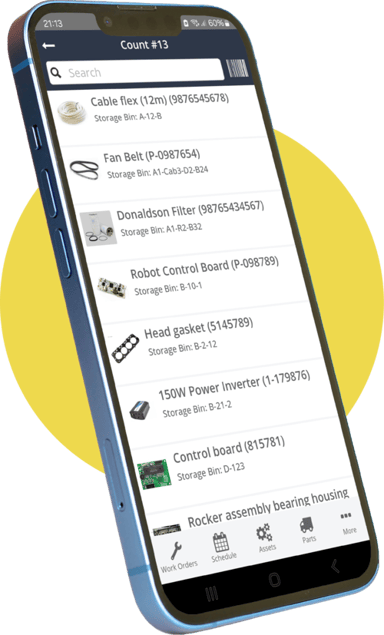
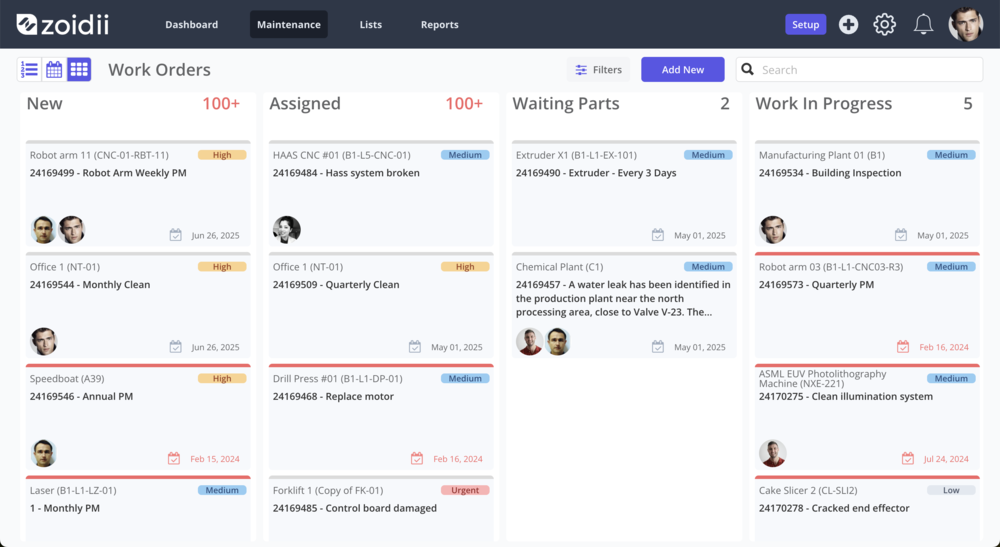
A CMMS typically includes a range of features that support Equipment Lifecycle Management. These may include asset tracking, preventive maintenance scheduling, work order management, inventory control, and reporting. Some systems also offer features such as mobile access, barcode scanning, and integration with other business systems.
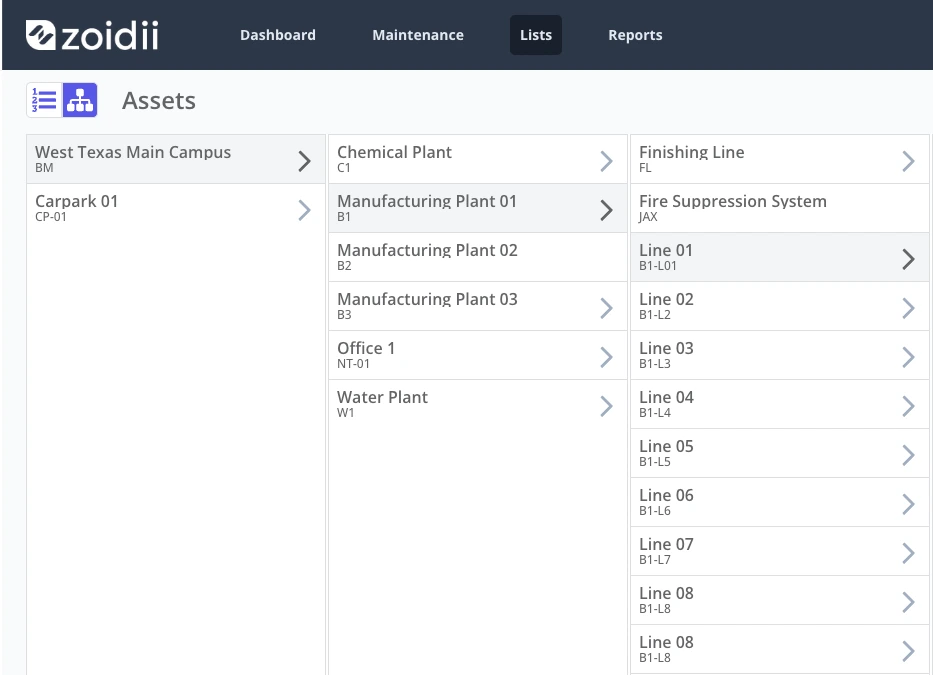
The asset tracking feature, for example, enables organizations to monitor all their equipment, including its location, condition, and maintenance history. The preventive maintenance scheduling feature allows organizations to schedule regular checks and services for their equipment, thereby reducing the risk of breakdowns and extending the equipment's lifespan.
Benefits of Using a CMMS
The benefits of using CMMS software are widely documented. Firstly, it can improve the efficiency of maintenance operations by automating routine tasks and providing maintenance staff with easy access to the necessary information.
Secondly, it can help organizations reduce their maintenance costs by enabling them to identify and address issues before they lead to breakdowns or other costly problems.
Furthermore, a CMMS can improve the accuracy of maintenance records, making it easier for organizations to comply with regulatory requirements and demonstrate their commitment to quality.
It can also provide valuable insights into equipment performance, which can inform strategic decisions about equipment acquisition and replacement.
Implementing a CMMS
Implementing a CMMS is a complex process that requires careful planning and execution. It involves several steps, including defining requirements, selecting a system, configuring the system, importing data, training users, and rolling out the system. Each step presents its challenges and requires a different set of skills and resources.
Despite the challenges, implementing a CMMS can bring significant benefits to an organization. It can improve the efficiency and effectiveness of maintenance operations, reduce costs, improve compliance, and provide valuable insights into equipment performance.
However, to realize these benefits, organizations must ensure that they select the right system and implement it effectively.
Choosing the Right CMMS
Choosing the right CMMS is a critical step in the implementation process. Many different systems are available on the market, each with its own strengths and weaknesses.
When selecting a system, organizations should consider factors such as the size and complexity of their operations, their specific maintenance requirements, their budget, and the technical expertise of their staff.
It can be helpful to involve a range of stakeholders in the selection process, including maintenance staff, IT staff, and management. This can help ensure that the chosen system meets the needs of all users and has the support of the entire organization.
Conducting a pilot test of the system before making a final decision may also be beneficial.
Training and Support
Training is a crucial part of the CMMS implementation process. All system users, from maintenance staff to management, need to understand how to use the system effectively. This includes understanding how to input data, retrieve information, and use the system's features to support their work.
Support is also essential during and after the implementation process. This may include technical support from the system vendor, as well as ongoing training and support from within the organization. Having a dedicated CMMS coordinator or team can help provide this support and ensure that the system is used effectively.
Conclusion
In conclusion, the Equipment Lifecycle is a crucial concept in any industry that relies on machinery or equipment. Effective management of this lifecycle can bring significant benefits, including improved efficiency, reduced costs, and improved compliance.
A CMMS plays a pivotal role in this process, providing a centralized database of equipment information and automating many of the tasks associated with lifecycle management.
Implementing a CMMS is a complex process that requires careful planning and execution. However, with the right system and approach, organizations can achieve significant benefits.
By understanding the Equipment Lifecycle and the role of a CMMS, organizations can make informed decisions and improve their equipment management practices.