Introduction to Lean Maintenance
Lean Maintenance is a systematic approach to maintaining equipment and facilities that minimizes waste, improves efficiency, and ensures reliability. Rooted in the principles of Lean Manufacturing, Lean Maintenance aims to enhance the effectiveness of maintenance operations by eliminating non-value-added activities, optimizing resource use, and promoting continuous improvement. This methodology is critical for organizations seeking to reduce downtime, lower maintenance costs, optimize parts and inventory, and extend the life of their assets.Types of maintenance waste
Waste is any maintenance activity or process expended without adding value to the customer or the final product. Identifying and eliminating waste is a crucial principle of Lean Maintenance, which aims to enhance efficiency, reduce costs, and improve overall operational effectiveness. Here are the primary types of waste in maintenance:1. Overproduction
Description: Performing maintenance tasks more frequently or sooner than necessary, leading to unnecessary labor, use of materials, and wear on equipment. Example: Conducting preventive maintenance on equipment that does not yet require it based on its actual condition, leading to wasted time and resources.2. Waiting
Description: Time lost when maintenance personnel or equipment are idle, waiting for parts, tools, information, or approvals to proceed with their work. Example: Maintenance workers wait for a required spare part to arrive or for another task to be completed before they can start their work.3. Unnecessary Motion
Description: Excessive or unnecessary movement by maintenance personnel that does not add value to the maintenance process. Example: Workers repeatedly walk back and forth across a facility to retrieve tools or parts due to poor workspace organization or lack of standard procedures.4. Excess Inventory
Description: Holding more spare parts, tools, or materials than are necessary to meet immediate needs, leading to increased storage costs, potential obsolescence, and space constraints. Example: Stockpiling large quantities of rarely used spare parts wastes capital and storage space.5. Defects
Description: Errors or mistakes in maintenance work that lead to equipment failures, rework, or poor performance, requiring additional time and resources to correct. Example: Improperly installed or maintained equipment that fails shortly after repair, necessitating additional repairs and downtime.6. Overprocessing
Description: Performing more work or using more resources than necessary to achieve the desired outcome in maintenance activities. Example: Excessive cleaning or lubrication of equipment beyond what is required for optimal operation, leading to wasted materials and time.7. Unutilized Talent
Description: Failing to fully utilize the skills, knowledge, and creativity of maintenance personnel, leading to missed opportunities for improvement and innovation. Example: Maintenance workers who are not encouraged to suggest improvements or assigned tasks that do not fully utilize their capabilities.8. Transportation
Description: Unnecessary movement of parts, tools, or equipment between locations, wasting time and effort. Example: Frequently transporting tools or spare parts from a central storage area to the worksite instead of having a well-organized local storage system.9. Inadequate Maintenance Planning
Description: Poorly planned maintenance activities that lead to inefficiencies, such as unnecessary downtime, overlapping work, or missed maintenance windows. Example: Conducting a monthly and quarterly PM on the same equipment within a few days of each other rather than wrapping the two activities in one efficient nested PM to minimize downtime.10. Excessive Downtime
Description: Time during which equipment is not operational due to delays in performing maintenance, lack of parts, or ineffective troubleshooting. Example: Extended equipment downtime due to delays in diagnosing a problem or waiting for a critical spare part to arrive.Understanding and identifying these types of waste in maintenance is crucial for implementing Lean Maintenance effectively. This waste reduction aligns with the core objectives of Lean Maintenance, ensuring that maintenance activities are efficient, effective, and value-driven.
Core Principles of Lean Maintenance
Lean Maintenance is built on several fundamental principles that guide its implementation:- Waste Elimination: Identifying and eliminating activities that do not add value to the maintenance process as outlined above.
- Continuous Improvement (Kaizen): Encouraging ongoing efforts to improve maintenance processes through small, incremental changes. Continuous improvement helps to sustain long-term efficiency and effectiveness.
- Preventive Maintenance: Focusing on regular, scheduled maintenance to prevent equipment failures before they occur reduces unplanned downtime and extends the life of assets.
- Total Productive Maintenance (TPM): Involve all employees in maintenance activities, from operators to maintenance staff, to ensure equipment is in optimal condition. TPM emphasizes proactive and preventive maintenance.
- Standardization: Establishing standard operating procedures (SOPs) for maintenance tasks to ensure consistency and quality. Standardization helps reduce variability and ensure technicians follow best practices.
- Just-In-Time Maintenance: This approach only performs maintenance tasks when needed, based on real-time data and condition monitoring rather than on a fixed schedule. It helps minimize waste and optimize resource use.
Key Components of Lean Maintenance
1. 5S Methodology
- Sort: Remove unnecessary items from the maintenance workspace.
- Set in Order: Organize tools and equipment so they are easily accessible.
- Shine: Keep the maintenance area clean to identify issues quickly.
- Standardize: Develop standards for organizing and maintaining the workspace.
- Sustain: Maintain the established standards and continuously improve them.
2. Condition-Based Maintenance (CBM)
Conduct maintenance activities based on the actual condition to determine what maintenance is required, rather than on a fixed schedule. This approach relies on sensors and monitoring tools to assess the health of equipment in real-time, permitting technicians to perform maintenance only when necessary.3. Root Cause Analysis (RCA)
Root cause analysis (RCA) is a quality management process for identifying the underlying causes of equipment failures. By understanding the underlying root cause of the issue, organizations can implement solutions that prevent recurrence and improve overall reliability.4. Total Productive Maintenance (TPM)
TPM involves all employees in maintenance activities, promoting shared responsibility for equipment performance. TPM focuses on preventing equipment failures and improving overall productivity.5. Key Performance Indicators (KPIs)
KPIs measure the effectiveness of maintenance activities. Common KPIs used to measure performance and Lean Maintenance include Mean Time Between Failures (MTBF), Mean Time to Repair (MTTR), and Overall Equipment Effectiveness (OEE).6. Computerized Maintenance Management System (CMMS)
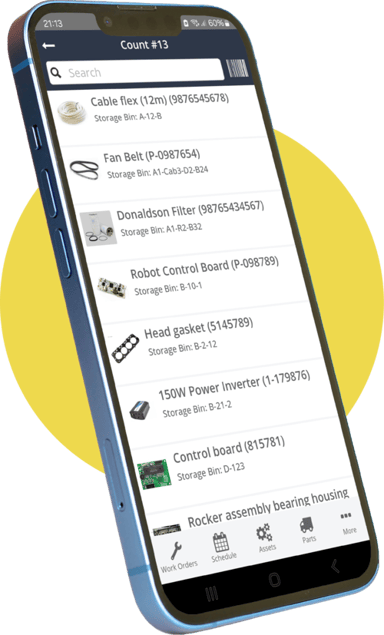
CMMS software is a critical component of Lean Maintenance. It plays a crucial role in implementing lean principles in maintenance operations. By streamlining processes, optimizing resource management, enabling data-driven decision-making, and supporting continuous improvement, CMMS is a key enabler of Lean Maintenance, helping organizations achieve greater efficiency, reliability, and cost savings in their maintenance operations.How do you implement lean maintenance?
Implementing Lean Maintenance involves systematically integrating lean principles into your maintenance processes. The goal is to reduce waste, increase productivity, improve efficiency, and ensure equipment reliability. Here’s a step-by-step guide on how to implement Lean Maintenance:1. Assess Current Maintenance Practices
- Evaluate Existing Processes: Start by baselining your current maintenance processes to identify inefficiencies, waste, and areas for improvement. For example, examine your preventive maintenance schedules, inventory management, and response times to equipment failures.
- Gather Data: Pull your key performance indicators (KPIs) such as Mean Time Between Failures (MTBF), Mean Time to Repair (MTTR), and Overall Equipment Effectiveness (OEE). This data will help establish a baseline for measuring improvements.
2. Engage Leadership and Build a Lean Culture
- Secure Management Support: Ensure senior management is committed to the Lean Maintenance initiative. Their support is crucial for allocating resources and driving cultural change.
- Foster a Lean Mindset: Promote a continuous improvement, cost-consciousness, and waste reduction culture among all employees. Start by educating staff on lean principles and how they apply to maintenance activities.
3. Train and Involve Employees
- Provide Lean Training: Train maintenance personnel and other relevant staff on Lean Maintenance principles, tools, and techniques, such as the 5S methodology, Root Cause Analysis (RCA), and Total Productive Maintenance (TPM).
- Encourage Employee Participation: Involve employees in identifying problems and generating improvement ideas. Their hands-on experience is invaluable for developing practical solutions.
4. Implement the 5S Methodology
- Sort: Remove unnecessary items from the maintenance area to reduce clutter and improve efficiency.
- Set in Order: Organize tools and equipment for easy access and use.
- Shine: Keep the work area clean to ensure potential problems (such as leaks or wear) are easily noticeable.
- Standardize: Establish standard procedures for organizing and maintaining the workspace.
- Sustain: Continuously monitor and improve the 5S practices to maintain a well-organized and efficient environment.
5. Establish Preventive and Predictive Maintenance Programs
- Develop a Preventive Maintenance Plan: Shift from reactive to preventive maintenance by scheduling regular checks and servicing of equipment to prevent breakdowns before they occur.
- Implement Condition-Based Maintenance (CBM): Use real-time data and monitoring tools to perform maintenance based on the actual condition of the equipment rather than a fixed schedule.
6. Standardize Maintenance Procedures
- Create Standard Operating Procedures (SOPs): To ensure consistency and quality, develop detailed SOPs for all maintenance tasks. These should include step-by-step instructions, safety precautions, and quality checks.
- Document Best Practices: Capture and document successful maintenance strategies and techniques to create a repository of best practices accessible across the organization.
7. Optimize Inventory Management
- Implement Just-In-Time Inventory: Reduce excess inventory and minimize storage costs by ordering parts and materials only when needed, based on demand forecasts and usage patterns.
- Standardize Parts and Tools: Standardize the parts and tools used across different equipment to simplify inventory management and reduce costs.
8. Apply Total Productive Maintenance (TPM)
- Promote Operator Involvement: Train equipment operators to perform basic maintenance tasks, such as automated system checks, cleaning, lubrication, and inspections. Operator maintenance can help prevent minor issues from escalating into major problems.
- Cross-Functional Teams: Establish cross-functional teams that include operators, maintenance staff, and engineers to work together on maintenance improvements and problem-solving.
9. Implement Continuous Improvement (Kaizen)
- Conduct Regular Kaizen Events: Hold small, focused round-table events aimed at incrementally improving maintenance processes. Encourage employees to suggest improvements and implement the best ideas quickly.
- Monitor and Review: Monitor maintenance performance using KPIs and regularly review progress to identify further improvement opportunities.
10. Leverage Technology
- Use Maintenance Management Software: Implement Computerized Maintenance Management Systems (CMMS) or Enterprise Asset Management (EAM) software to streamline maintenance scheduling, tracking, and reporting.
- Adopt Predictive Analytics: Utilize data analytics and machine learning to predict the likelihood of equipment failure and optimize maintenance schedules.
11. Measure and Adjust
- Track Progress: Regularly measure the impact of Lean Maintenance initiatives using KPIs like MTBF, MTTR, OEE, and cost savings. Compare these metrics against the baseline to assess improvement.
- Continuous Feedback Loop: Continually review performance data and implement improvements to the maintenance processes. Continuously reviewing and refining the maintenance process ensures that the organization remains agile and alert to further lean opportunities.
12. Sustain and Scale
- Sustain Gains: Enrich the organizational culture with Lean maintenance practices to ensure sustained improvements. For example, periodic training refreshers, audits, and continuous improvement initiatives.
- Scale Across the Organization: To achieve broader organizational benefits, consider scaling Lean Maintenance across other departments, facilities, or processes.
Benefits of Lean Maintenance
- Reduced Downtime: By focusing on preventive and predictive maintenance, Lean Maintenance helps reduce unplanned equipment failures and associated downtime, leading to higher productivity.
- Cost Savings: Lean Maintenance reduces waste, optimizes resource use, extends the lifespan of equipment, and reduces downtime, resulting in significant cost savings over time.
- Improved Equipment Reliability: Through proactive maintenance and continuous improvement, Lean Maintenance enhances equipment reliability and performance, ensuring smooth operations.
- Increased Employee Engagement: Involving employees in maintenance activities and decision-making fosters a culture of ownership, accountability, and responsibility, leading to higher engagement and morale.
- Enhanced Safety: Regular maintenance and adherence to standardized procedures reduce the likelihood of equipment malfunctions and accidents, contributing to a safer work environment.
Challenges of Implementing Lean Maintenance
- Cultural Resistance: Shifting to a Lean Maintenance approach may encounter resistance from employees accustomed to traditional maintenance methods. Overcoming this resistance requires effective change management and employee training.
- Initial Investment: Implementing Lean Maintenance may require an initial investment in training, tools, and technology, such as condition monitoring systems.
- Data Management: Lean Maintenance relies heavily on data collection and analysis. Ensuring accurate and timely data can be challenging, particularly in organizations with legacy systems or limited technological infrastructure.
- Sustaining Improvements: Maintaining the gains achieved through Lean Maintenance requires ongoing commitment and continuous improvement efforts. Organizations must remain vigilant in monitoring performance and adapting to changing conditions.