Level of Repair Analysis (LORA) is a systematic process that helps asset and maintenance managers determine the most cost-effective strategy for repairing or replacing equipment. It evaluates when, where, and how to repair equipment to optimize maintenance activities, reduce lifecycle costs, and enhance asset availability.
By analyzing various repair levels, LORA helps managers make informed decisions on whether assets should be repaired in-house, at a depot, or replaced altogether.
This article will provide an overview of LORA, its importance, the steps involved in conducting one, and the benefits it offers for maintenance and asset management.
What is Level of Repair Analysis (LORA)?
Level of Repair Analysis (LORA) is a decision-making process identifying the most economical and efficient asset maintenance approach. It focuses on finding the optimal balance between repair and replacement costs, repair time, and operational availability.
LORA evaluates various repair alternatives, from on-site repairs to depot-level maintenance, helping managers select the most cost-effective option based on the equipment’s value, criticality, and failure rate.
LORA is commonly applied in industries with high-value assets, such as manufacturing, transportation, and energy, where efficient maintenance planning significantly impacts operational availability and cost control.
Why is LORA Important for Asset and Maintenance Management?
For asset managers and maintenance managers, LORA offers several advantages:
1. Cost Savings
LORA helps identify the least expensive option between repairing, replacing, or outsourcing repairs. This reduces unnecessary maintenance expenses and optimizes the allocation of resources.2. Improved Asset Availability
LORA minimizes downtime by determining the best repair level, ensuring critical equipment remains operational. Higher availability contributes to productivity and reduces the risk of production delays.3. Optimized Maintenance Planning
LORA provides a structured framework for maintenance decision-making, allowing managers to plan for repair, replacement, or overhaul activities based on data-driven insights.4. Efficient Resource Allocation
LORA ensures that repair tasks are assigned to the appropriate maintenance level, whether in-house, field-based, or outsourced to specialized repair facilities. This approach frees up internal resources for other essential tasks and maximizes efficiency.5. Informed Lifecycle Decisions
By evaluating the repair costs and downtime associated with different maintenance approaches, LORA supports long-term planning and provides insight into asset lifecycle costs and replacement needs.Steps Involved in Conducting a Level of Repair Analysis
A successful LORA involves several structured steps to ensure a thorough analysis of repair options. Here’s a breakdown of the LORA process:
1. Define the Objective and Scope
The first step in a LORA is to define the scope, including the assets to be analyzed. Determining which assets or sub-assets are critical for operational performance is essential, as these may require specific repair levels. The objective should be to improve maintenance efficiency, reduce costs, and increase equipment availability.2. Gather Data on Asset Usage and Failure Rates
Collect data on asset usage, failure rates, repair costs, downtime, and maintenance history. This information will help determine the frequency and types of repairs required. Accurate data is crucial for assessing repair versus replacement costs and identifying the optimal repair level.3. Identify Maintenance Options
Identify different maintenance levels for each asset component, including:- Organizational-Level Repair: Repairs performed at the location where the asset is used, typically covering minor repairs and adjustments.
- Intermediate-Level Repair: Repairs are done at a designated repair facility, where more complex repairs can be managed with specialized tools and equipment.
- Depot-Level Repair: These are high-level repairs or overhauls that require a specialized facility with advanced capabilities. They are usually reserved for significant component repairs or equipment overhauls.
4. Evaluate Cost and Availability Implications
Analyze the costs associated with labor, parts, tools, and facilities for each repair level. Also, consider the time needed to complete each type of repair and the impact on asset availability. This evaluation will highlight the most cost-effective repair option that maximizes availability while minimizing costs.5. Compare and Select the Optimal Repair Level
Using the data gathered, compare the repair options for each asset. Consider the total lifecycle costs, including replacement expenses, repair costs, and downtime implications. Select the repair level that best balances cost and availability, ensuring it aligns with organizational goals and operational requirements.6. Document and Implement the Findings
Once the optimal repair level is selected, document the findings in a comprehensive report. This documentation should include the decision rationale, cost-benefit analysis, and recommendations. Communicate the chosen repair strategy to relevant stakeholders and implement it within the maintenance planning framework.7. Review and Adjust Periodically
LORA is not a one-time activity. Review the analysis to align with operational needs and asset performance. Asset conditions, production changes, and organizational priorities can shift over time, making it essential to revisit and adjust LORA recommendations as necessary.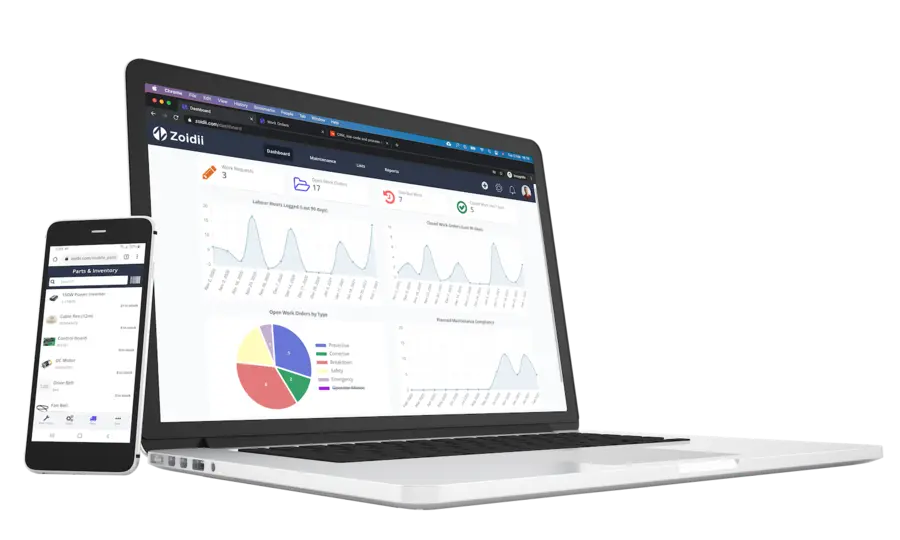
How a CMMS Can Support Level of Repair Analysis
A Computerized Maintenance Management System (CMMS) can help support and streamline the LORA process:
1. Data Collection and Analysis
A CMMS records asset performance data, asset maintenance history, failure rates, and repair costs, providing essential information for LORA. This data enables accurate cost comparisons and decision-making.2. Tracking Repair Levels and Costs
With a CMMS, managers can track the cost and time associated with each repair level, from in-house repairs to depot-level maintenance. Tracking repair levels and costs helps make data-driven choices and streamline resource allocation.3. Automating Preventive Maintenance
A CMMS can automate preventive maintenance schedules such as inspections and greasings, reducing the likelihood of unexpected failures and decreasing the need for higher-level repairs. Preventive maintenance insights from the CMMS allow for more accurate LORA calculations, as they reduce emergency repair costs and downtime.4. Asset Lifecycle Management
A CMMS maintains records on asset lifecycle data, helping managers track when assets are nearing the end of their useful life. This information is essential for LORA, as it allows managers to assess whether repairs or replacements are the most economical option.5. Documentation and Reporting
A CMMS can document LORA recommendations and repair decisions, making it easy to reference them during audits, budget discussions, and strategy reviews. Comprehensive reporting features help managers communicate LORA findings and justify maintenance decisions.6. Trend Analysis and Continuous Improvement
A CMMS helps managers adjust LORA decisions to optimize asset management over time by analyzing trends in repair costs and failure rates. Continuous monitoring provides insights to refine maintenance strategies based on evolving conditions.Maximize Efficiency and Cost-Effectiveness with LORA
Level of Repair Analysis (LORA) is a powerful tool for asset and maintenance managers seeking to maximize efficiency and cost-effectiveness. By evaluating the most economical and practical repair levels, LORA enables organizations to decide whether to repair, replace, or outsource maintenance.
When used with a CMMS, LORA becomes even more effective, as the CMMS streamlines data collection, supports maintenance planning, and provides insights for continuous improvement.
For asset managers and maintenance teams, LORA offers a structured approach to balancing costs, availability, and resource allocation, ensuring assets remain productive and operational over their lifecycle.