Businesses are constantly under pressure to optimize their operations while minimizing costs. Physical asset management has emerged as a crucial strategy for achieving this balance, especially when managing tangible assets such as production equipment, facilities equipment, and other infrastructure.
Properly maintained physical assets can drive significant productivity, efficiency, and profitability gains.
This article will explore how physical asset management relates to maintaining assets, highlighting the importance of proactive maintenance, reliability, and the role of technology in achieving maximum productivity and effectiveness.
Understanding Physical Asset Management
Physical asset management is the systematic process of managing, maintaining, and optimizing physical assets throughout their lifecycle to achieve maximum productivity and efficiency. These assets include everything from heavy machinery in factories to HVAC systems in buildings.
Physical asset management ensures that these assets perform at their best, thus maximizing return on investment while minimizing risks and costs associated with equipment downtime.
The primary objective of physical asset management is to ensure that assets are used effectively and sustainably, enabling organizations to meet both operational goals and long-term strategic objectives. This is achieved through strategic planning, maintenance, monitoring, and asset replacement when needed.
Importance of Maintenance in Asset Management
Maintenance is a fundamental component of physical asset management. By implementing a solid maintenance strategy, organizations can extend the lifespan of their assets, reduce unplanned downtime, and increase overall productivity.
Here are a few key reasons why maintenance is essential:
1. Reducing Unplanned Downtime
When assets are not correctly maintained, unexpected breakdowns increase significantly. Unplanned downtime can be highly disruptive, leading to lost productivity, increased costs, and missed deadlines. Regular and well-planned maintenance reduces the risk of sudden failures, ensuring the continuity of operations.2. Maximizing Efficiency
Efficient physical assets translate to smoother processes. Maintenance plays a crucial role in keeping assets running at peak efficiency. Lubricating moving parts, cleaning filters, and addressing minor wear and tear can lead to significant gains in asset performance, resulting in greater energy efficiency and more output from the same equipment.3. Ensuring Safety
Equipment failure can lead to unsafe working conditions, potentially putting employees at risk. Routine maintenance helps detect problems early, preventing accidents before they occur. A well-maintained asset is inherently safer, reducing liability and ensuring a healthier work environment.Types of Maintenance Strategies
Organizations can adopt several maintenance strategies to maximize the productivity and effectiveness of physical assets. These include:
- Run-to-failure maintenance: This strategy involves fixing an asset once it breaks down. Although it may seem cost-effective in the short term, reactive maintenance can lead to significant disruptions and high repair costs, making it less ideal for critical assets.
- Preventive maintenance: This strategy involves regularly scheduled inspections, servicing, greasing, and part replacements to prevent issues before they occur. Preventive maintenance focuses on ensuring that assets remain in good condition, helping to minimize unexpected downtime and extending the lifespan of equipment.
- Predictive maintenance: Predictive maintenance leverages data gathered from sensors, monitoring systems, and historical records to predict potential asset failures. Organizations can analyze asset performance in real-time to identify issues before they escalate into major problems, minimizing costs and maximizing uptime.
- Condition-based maintenance (CBM): This approach involves analyzing an asset's actual condition to determine what maintenance is required. Unlike preventive maintenance, which is time-based, condition-based maintenance ensures that maintenance teams carry out maintenance only when necessary, leading to cost savings and a more targeted approach to asset care.
Gaining Maximum Productivity and Effectiveness
Organizations looking to maximize efficiency must adopt a proactive and strategic approach to physical asset management to gain maximum productivity and effectiveness from physical systems and equipment. Here are some of the principal practices that can drive value from assets:
1. Develop an Asset Management Plan
A well-structured asset management plan is a roadmap for achieving maximum productivity. This plan should include a detailed inventory of assets, their expected lifecycles, and a comprehensive maintenance schedule. By mapping out the maintenance needs of each asset, organizations can allocate resources more effectively and minimize operational disruptions.2. Use of Technology and Computerized Maintenance Management System (CMMS) software
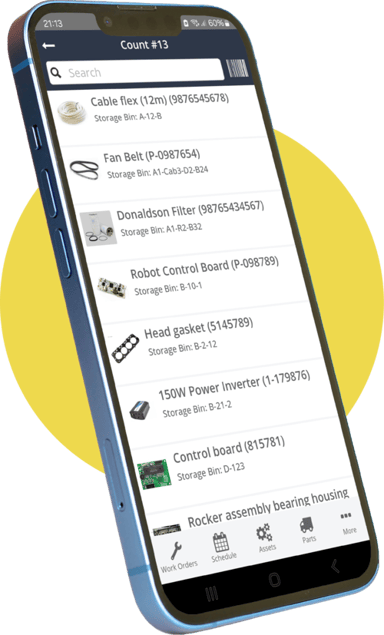
Technology integration has revolutionized physical asset management. Computerized Maintenance Management System (CMMS) software and Internet of Things (IoT) devices can provide real-time data on asset performance, making tracking equipment health easier.Predictive analytics can also help forecast potential issues before they arise, enabling a more proactive approach to maintenance. For instance, vibration sensors on industrial equipment can detect deviations, allowing maintenance teams to intervene before a breakdown occurs.
3. Optimize Asset Utilization
Optimal utilization of assets involves ensuring that equipment is utilized effectively and appropriately. Underutilized assets represent a waste of investment, while overworked assets are more prone to breakdowns. Organizations can strike the right balance by carefully monitoring asset usage, ensuring that every asset is used most efficiently.4. Training and Empowering Maintenance Staff
Effective asset management requires a skilled workforce capable of performing maintenance efficiently. Maintenance teams must be well-trained to identify early signs of wear and tear, understand equipment requirements, and use Computerized Maintenance Management System (CMMS) software.Empowering employees through continuous training will help maintain high maintenance standards, leading to improved asset performance.
5. Lifecycle Management
Physical asset management isn’t just about maintenance; it also involves making strategic decisions about asset replacement. When an asset reaches the end of its useful life, maintaining it may no longer be cost-effective. In such cases, replacing the asset with a more efficient model can lead to long-term productivity gains.The Role of Data in Physical Asset Management
Data-driven decision-making is a core element of effective physical asset management. Real-time data, historical records, and performance metrics can help maintenance teams understand how assets perform and when interventions are required. By gathering and analyzing data, organizations can establish trends, identify recurring issues, and develop a deeper understanding of asset behavior.
Maintenance and reliability teams can also use this data to develop Key Performance Indicators (KPIs) for asset performance.
Common KPIs include Planned Maintenance Percentage (PMP), Mean Time Between Failures (MTBF), and Mean Time to Repair (MTTR). Tracking these metrics helps organizations gauge the effectiveness of their maintenance strategies and make informed decisions to improve productivity.
Maximize Physical Asset Performance
Physical asset management is a vital discipline that enables organizations to maximize productivity and effectiveness from their physical systems and equipment. Through proactive maintenance, optimal utilization, and data-driven decision-making, organizations can reduce costs, extend asset lifecycles, and enhance operational efficiency.
By embracing technologies such as Computerized Maintenance Management System (CMMS) software and Internet of Things (IoT) devices, maintenance teams can optimize asset performance and minimize unexpected downtime.
Ultimately, physical asset management aims to ensure that assets contribute positively to business goals, providing the best possible return on investment. Proper maintenance isn’t just a routine task—it’s a strategic imperative that drives productivity, ensures safety, and supports long-term success.