
Preventive maintenance (PM) is no longer an option—it's a necessary operational requirement. Industries, ranging from manufacturing to healthcare, are adopting proactive asset management.
This approach helps reduce downtime, improve safety, and extend the life of their equipment. At the heart of any successful PM program are the best practices that support its sustainability and effectiveness.
This article offers a clear guide to the best practices for preventive maintenance.
Understanding the Foundation of Preventive Maintenance
Before we delve into best practices, it’s essential to understand what preventive maintenance entails. PM is regular equipment servicing done on a set schedule. This plan prevents waiting for equipment to fail. It can include tasks such as:
- Inspection
- Lubrication
- Adjustments
- Cleaning
- Part replacements
- System testing
Best Practices for Preventive Maintenance
1. Start with a Thorough Asset Inventory
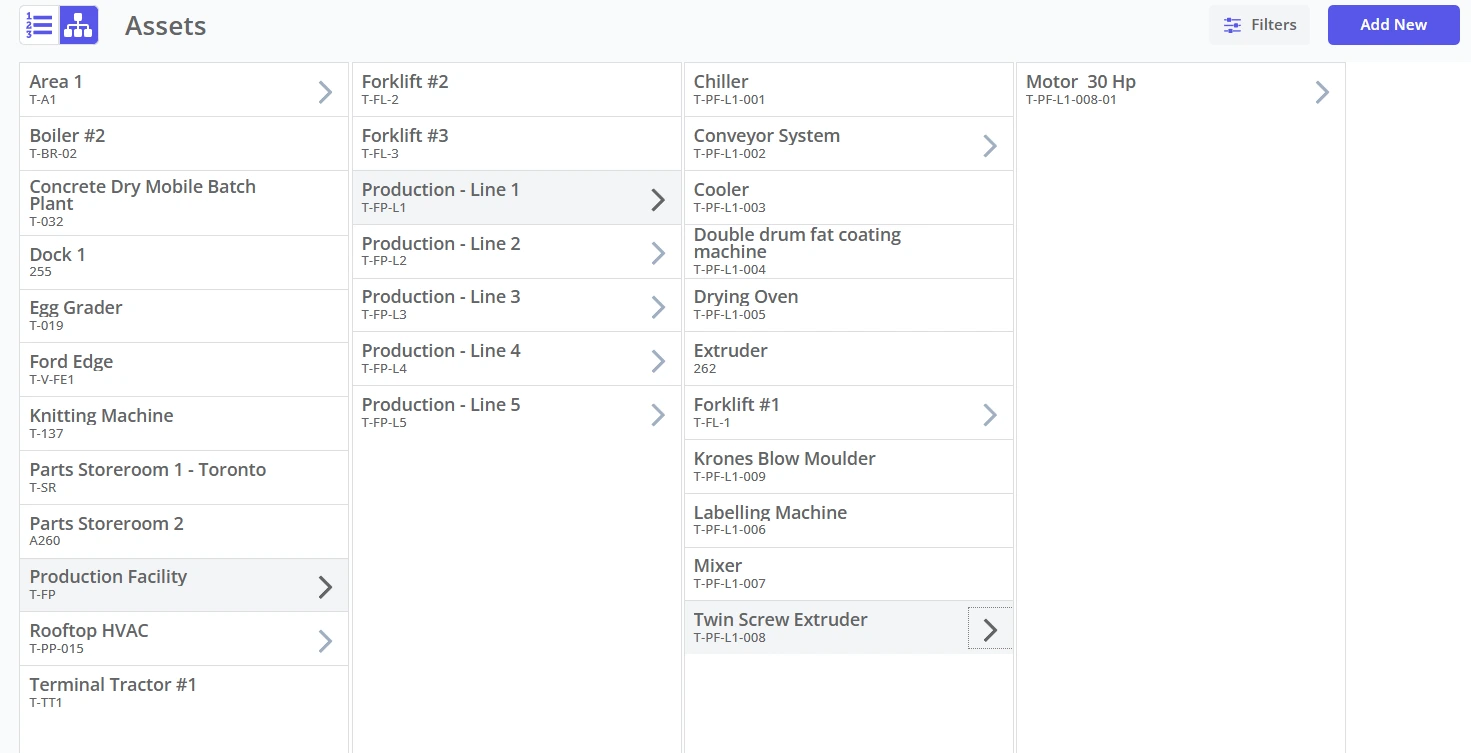
A key step in preventive maintenance is creating a detailed inventory of all assets. Make a complete list of all equipment, machinery, tools, and infrastructure that help your operations.
Best Practice Tips:
- Make a list of:
- Asset name
- Location
- Serial/model number
- Date of purchase
- Warranty info
- Manufacturer recommendations
- Maintenance history
- Use barcodes or QR codes to make tracking easier.
- Classify assets based on criticality (mission-critical vs. non-essential).
2. Develop Maintenance Schedules Based on Data
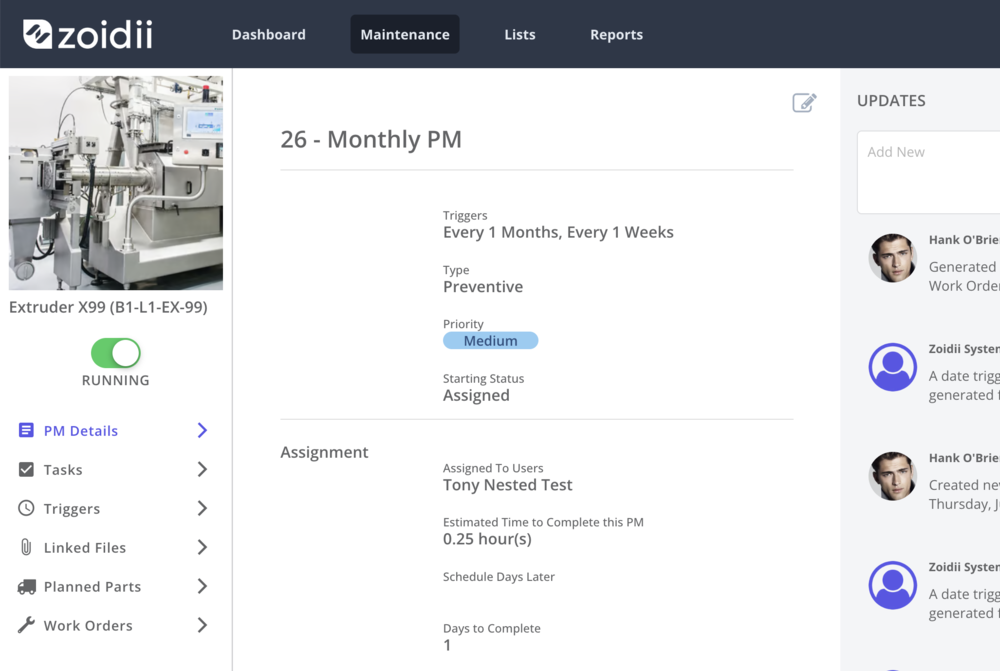
The timing of maintenance tasks is crucial. Scheduling maintenance too often can waste resources and cause wear. But if maintenance is too rare, it raises the risk of failure. The optimal schedule balances these extremes and relies on data.
Best Practice Tips:
- Start with the manufacturer's recommendations. Then, adjust them using real performance data. If you don’t have the manufacturer-recommended maintenance checklists, you can leverage tools like Zoidii’s AI Checklist Generator.
- Consider how much the asset is used, like run hours, cycles, and mileage. Also, think about the environmental conditions.
- Start with time-based schedules and gradually shift toward usage-based or condition-based triggers.
3. Use Standardized Procedures and Checklists
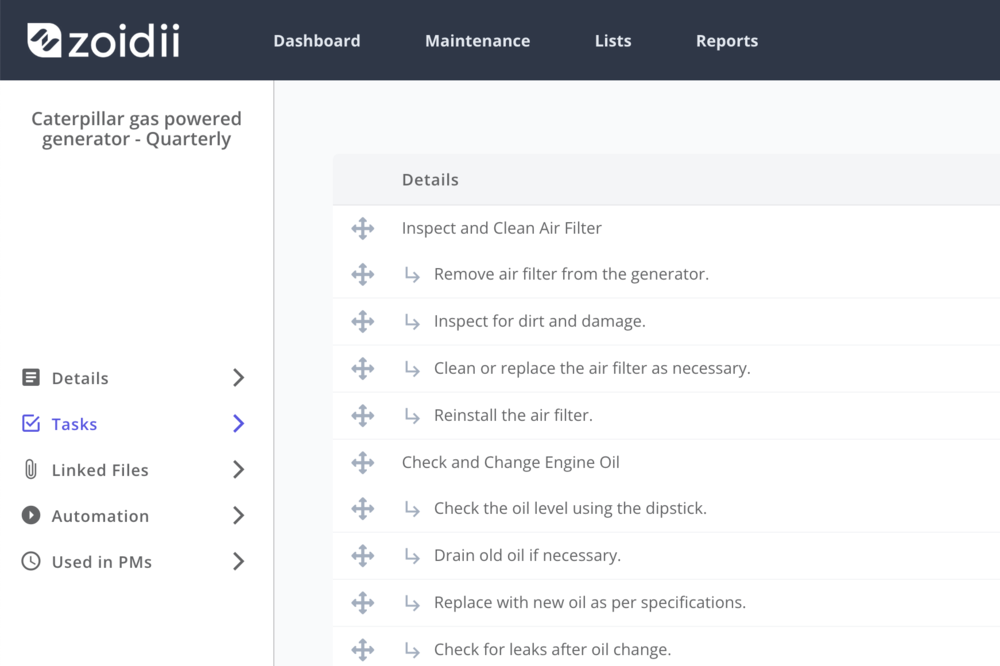
Consistency is key in preventive maintenance. Having technicians "wing it" leads to variability and missed steps. Create and use Standard Operating Procedures (SOPs) and checklists for each asset type.
Best Practice Tips:
- Outline:
- Task Instructions: List steps clearly for each PM task.
- Tools Needed: Write down all tools required for each task.
- Safety Procedures: Outline safety measures to follow.
- Estimated Time: Provide an estimate for how long each task will take.
- Keep all formats together in one spot. A Computerized Maintenance Management System (CMMS) is a great choice for this.
- Update procedures based on feedback, asset upgrades, or changes in safety regulations.
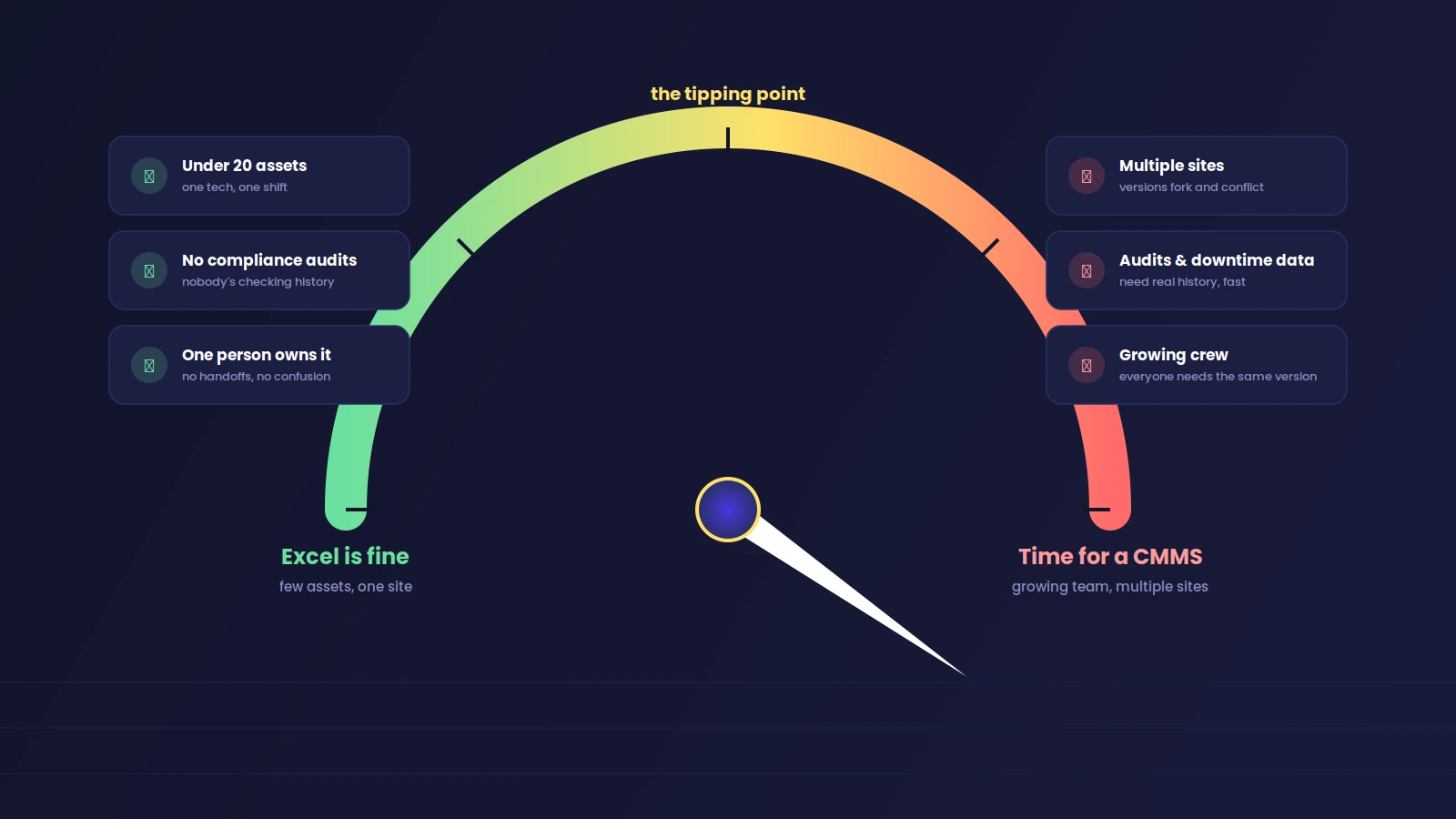
4. Implement a Computerized Maintenance Management System (CMMS)
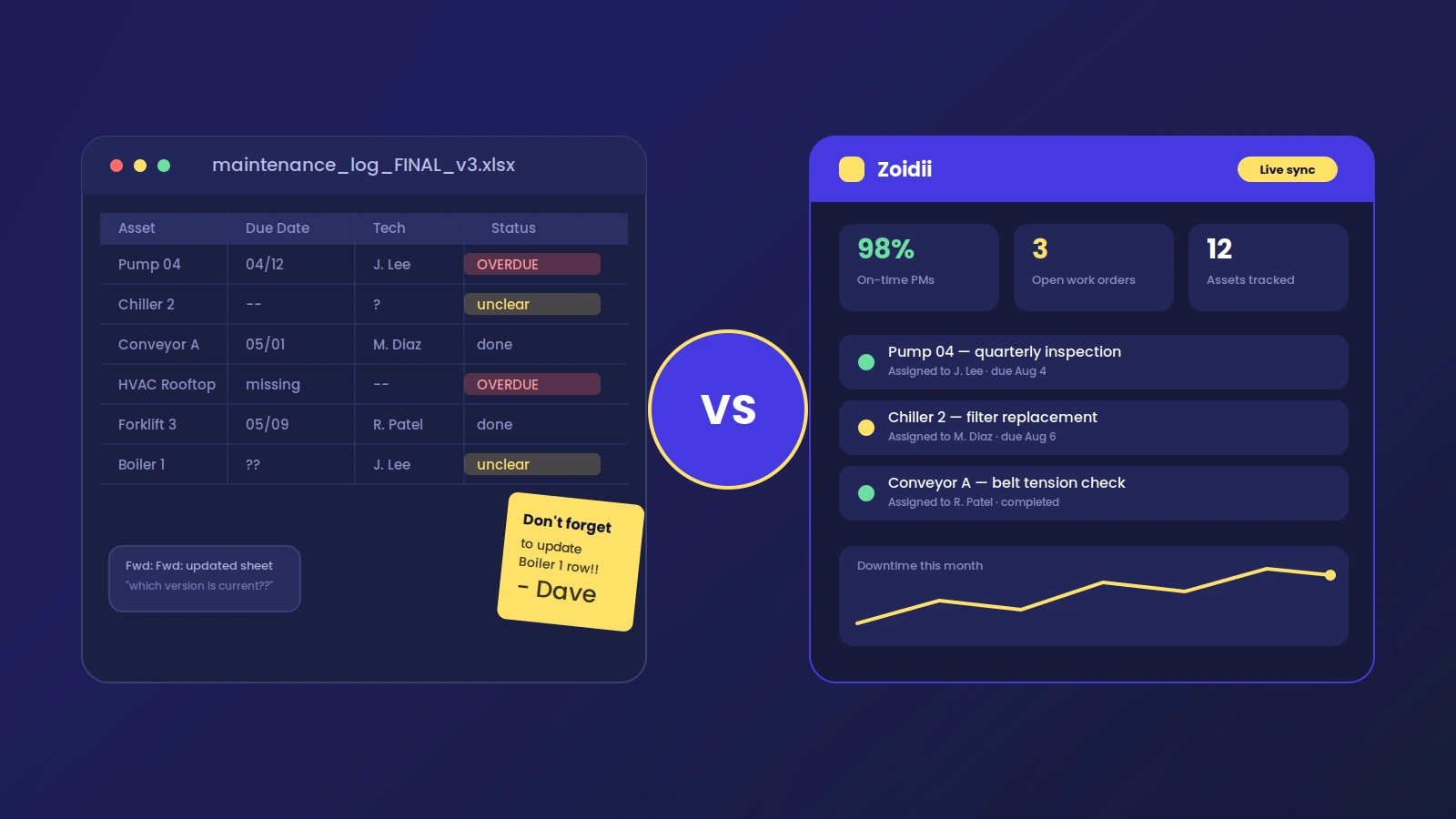
Modern preventive maintenance cannot scale without digital support. A CMMS is a software platform that helps schedule, assign, track, and document all maintenance activities.
Best Practice Tips:
- Use the CMMS to automate work orders and reminders.
- Track parts inventory, technician performance, and asset health metrics.
- Pick a CMMS that has mobile access, is easy for technicians to use and has a scheduler.
5. Prioritize Based on Asset Criticality
Not all assets need the same level of preventive attention. Allocate resources based on the importance of an asset to operations, safety, or compliance.
Best Practice Tips:
- To rank assets, perform a Failure Modes and Effects Analysis (FMEA) or Risk Priority Number (RPN) analysis.
- Focus on preventive maintenance for assets that could lead to safety issues, production halts, or regulatory breaches if they fail.
- Adjust PM frequency based on historical data and real-world performance.
6. Ensure Proper Training and Certification
Even the most well-designed preventive maintenance program can fail without skilled technicians. Human error, inconsistent execution, or a lack of knowledge can undo all planning.
Best Practice Tips:
- Provide initial and recurring training in PM procedures, software tools, and safety practices.
- Encourage certification through industry-recognized bodies (e.g., Certified Maintenance & Reliability Professional - CMRP).
- Develop mentorship programs that pair experienced techs with new hires.

7. Document Everything—and Use That Data
Record-keeping is a core part of preventive maintenance. Log and store every completed task, any found anomalies, or replaced parts for future reference.
Best Practice Tips:
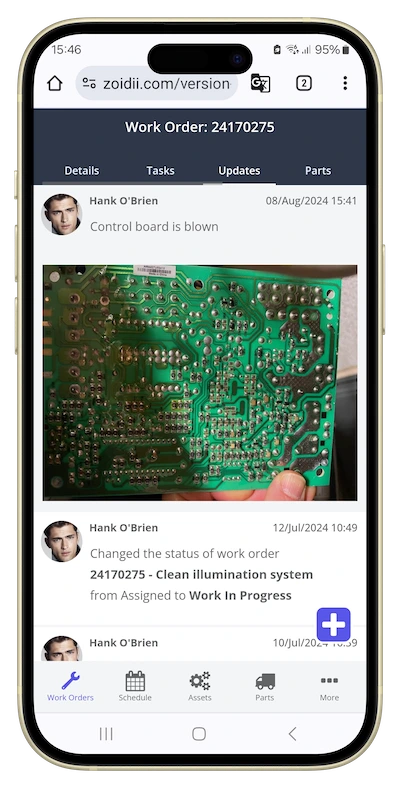
- Utilize CMMS to document maintenance history, including photos, technician notes, and timestamps.
- Conduct regular reviews of maintenance logs to identify trends or recurring issues.
- Use documentation to support warranty claims, audits, and insurance requirements.
8. Leverage Key Performance Indicators (KPIs)
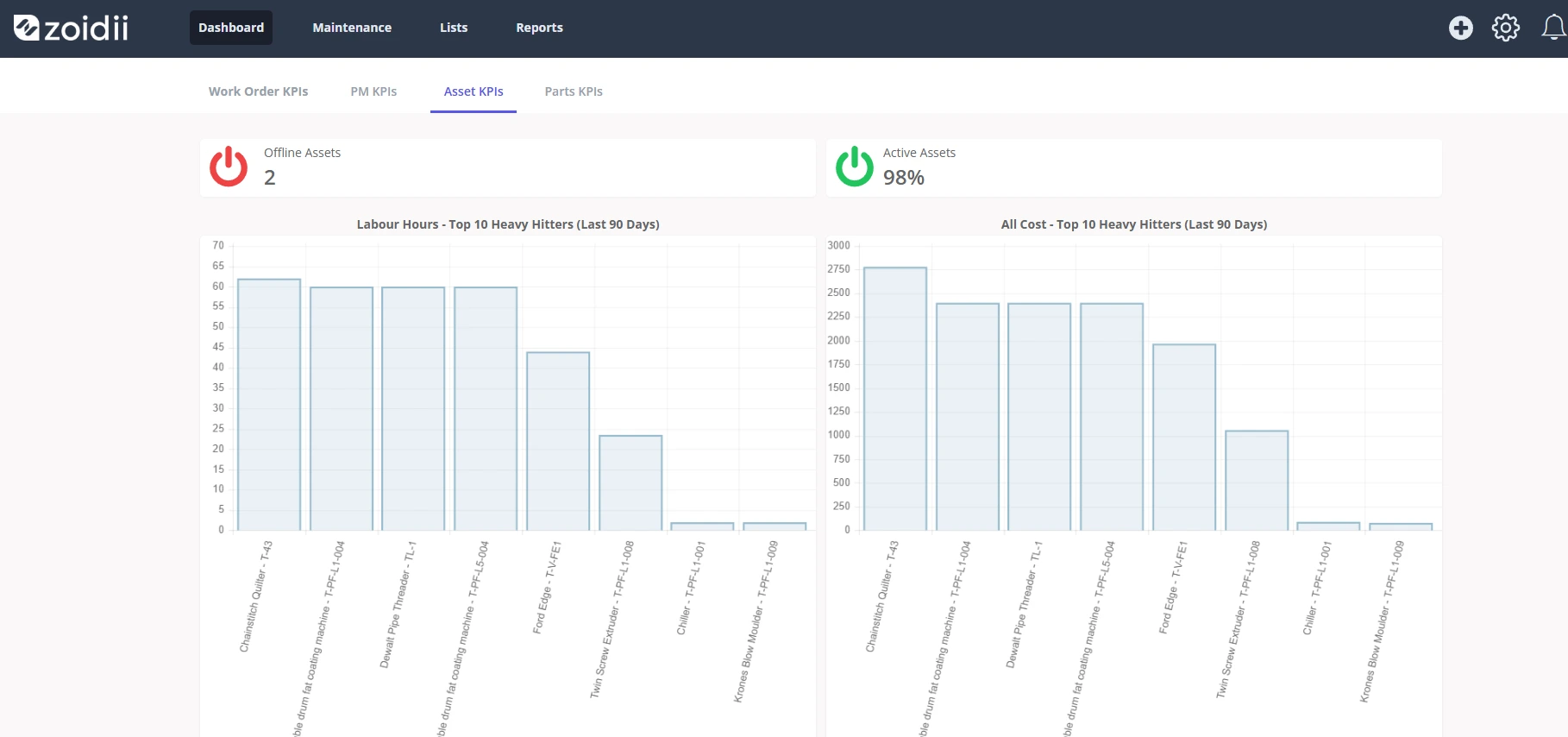
To evaluate the success of your PM program, you need measurable goals. KPIs help you monitor performance and identify areas for improvement.
Best Practice Tips:
- Track KPIs such as Mean Time Between Failures (MTBF), Mean Time to Repair (MTTR), PM Compliance Rate, Maintenance Cost per Unit Output, and Downtime Hours.
- Set benchmarks and targets for improvement.
- Review KPIs on a monthly or quarterly basis in cross-functional meetings.
9. Establish a Continuous Improvement Culture
Preventive maintenance isn’t a “set it and forget it” strategy. To stay effective, your PM program must evolve as your business grows and your equipment ages.
Best Practice Tips:
- Conduct periodic audits of your PM program and procedures.
- Encourage technicians to report inefficiencies or suggest improvements.
- Stay updated with industry trends, new tools, and technology.
10. Use Mobile Technology for On-the-Go Maintenance
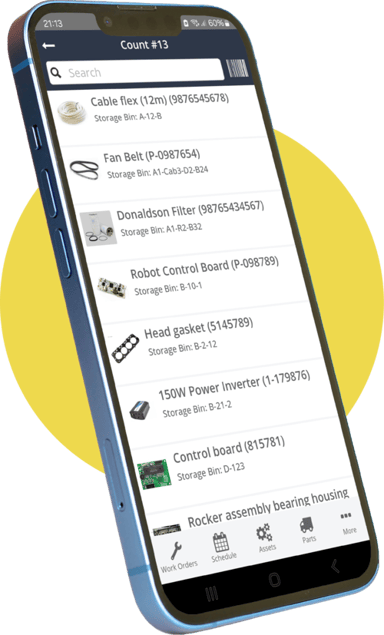
Gone are the days of clipboards and paper forms. Mobile maintenance software applications enable technicians to access tasks, manuals, and history on their phones or tablets.
Best Practice Tips:
- Equip technicians with mobile devices or tablets.
- Ensure your CMMS or maintenance platform is compatible with mobile devices.
- Use mobile tools to capture photos, voice notes, and real-time issue reports.
11. Optimize Spare Parts Management
Preventive maintenance usually means replacing parts before they fail. But if the needed parts are unavailable, it can cause delays or incomplete work.
Best Practice Tips:
- Maintain optimal inventory levels for critical spares.
- Utilize your CMMS to track parts usage and automate reorder requests.
- Store parts in a secure manner and label them in a way that allows for quick access.
12. Schedule Around Operations to Minimize Disruption
While preventive maintenance is important, it shouldn’t bring operations to a halt. Effective scheduling ensures that maintenance teams perform their tasks without negatively impacting productivity.
Best Practice Tips:
- Coordinate with operations and production teams before scheduling maintenance.
- Plan tasks during planned downtime, holidays, or night shifts if possible.
- Bundle multiple maintenance tasks to reduce the frequency of interventions. This can be accomplished by leveraging a CMMS that includes Nested PMs.
13. Engage All Stakeholders in the Process
Preventive maintenance is not just the responsibility of the maintenance team. Operators, safety personnel, and even procurement departments play a role.
Best Practice Tips:
- Train operators in basic maintenance checks and how to report anomalies.
- Involve procurement in sourcing reliable spare parts and equipment.
- Hold cross-functional meetings to align priorities and resolve bottlenecks.
Final Thoughts on Preventive Maintenance Best Practices
Preventive maintenance is a strong tool. It works best with careful planning and ongoing effort. The main idea is simple: prevent problems before they happen. However, doing this well requires a combination of technology, discipline, and ongoing learning.
To cut downtime and improve efficiency, organizations should embrace best practices. This includes managing assets, scheduling, training, documentation, and data analysis. These steps can also help extend the life of assets. In a competitive, tech-driven world, your preventive maintenance strategy can give you an edge in the market.
A successful PM program does more than keep machines running. It helps your entire business run more efficiently.