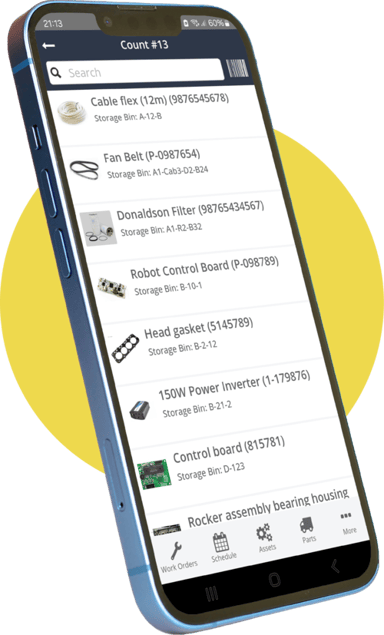

A CMMS Coordinator is responsible for managing and optimizing the use of a Computerized Maintenance Management System (CMMS) to support an organization's maintenance operations. Their responsibilities include system administration, data management, reporting, and ensuring smooth integration of the CMMS into daily workflows.
CMMS Coordinator List of Responsibilities
Before we look at the interview questions, here is a detailed breakdown of their duties:1. CMMS Administration
- Configure, maintain, and update the CMMS to align with organizational needs.
- Manage user accounts, access levels, and system permissions.
- Coordinate with software vendors for troubleshooting, updates, and upgrades.
- Ensure that the CMMS is functioning correctly and address any technical issues.
2. Data Management
- Input, organize, and maintain accurate data for assets, equipment, spare parts, and maintenance schedules.
- Validate data integrity through regular audits to prevent errors or discrepancies.
- Update asset records and ensure documentation for all equipment is complete.
- Oversee historical data for maintenance activities, including repairs, inspections, and replacements.
3. Preventive Maintenance Scheduling
- Create and manage preventive maintenance (PM) schedules within the CMMS.
- Ensure all scheduled maintenance tasks are generated and assigned to appropriate personnel.
- Adjust schedules based on operational needs or feedback from maintenance teams.
- Monitor completion rates and identify overdue tasks to ensure compliance.
4. Work Order Management
- Generate, assign, and track work orders within the CMMS.
- Ensure work orders include detailed instructions, materials required, and estimated completion times.
- Monitor the status of open work orders and follow up with technicians for timely completion.
- Analyze work order trends to identify recurring issues or bottlenecks.
5. Inventory and Spare Parts Management
- Track spare parts usage and ensure sufficient inventory levels to support maintenance activities.
- Set up reorder points and generate alerts for low-stock items.
- Organize inventory records to minimize waste and optimize storage.
- Coordinate with procurement teams to order and restock critical spare parts.
6. Reporting and Analysis
- Generate reports on maintenance metrics such as:
- Mean Time to Repair (MTTR)
- Mean Time Between Failures (MTBF)
- Planned vs. Unplanned Maintenance
- Asset Downtime
- Analyze CMMS data to identify trends, inefficiencies, and areas for improvement.
- Share actionable insights with maintenance managers and other stakeholders.
7. Training and Support
- Train maintenance staff and other CMMS users on system functionality and best practices.
- Develop user guides and training materials for onboarding new staff.
- Act as the primary point of contact for questions or issues related to the CMMS.
- Encourage adoption of the CMMS by demonstrating its benefits and resolving user concerns.
8. System Optimization
- Continuously review and improve CMMS workflows to align with maintenance objectives.
- Implement features or modules in the CMMS to enhance efficiency (e.g., mobile access, advanced reporting).
- Evaluate and recommend system improvements or add-ons to management.
- Stay updated on CMMS advancements and emerging technologies to keep the system current.
9. Compliance and Documentation
- Ensure maintenance records comply with regulatory standards (e.g., OSHA, ISO).
- Maintain a complete and organized history of maintenance activities for audits and inspections.
- Document equipment performance, maintenance history, and repair costs for long-term planning.
10. Cross-Functional Collaboration
- Work closely with maintenance teams to understand their needs and provide CMMS support.
- Collaborate with operations, procurement, and safety teams to align CMMS activities with broader organizational goals.
- Act as a liaison between maintenance teams and upper management by providing clear and actionable reports.
What Qualities do you look for when Hiring a CMMS Coordinator?
When hiring a CMMS (Computerized Maintenance Management System) Coordinator, looking for a blend of technical expertise, problem-solving skills, and interpersonal abilities is essential. Here are the key qualities to look for:
1. Technical Proficiency
What to Look For:- Hands-on experience with CMMS platforms (e.g., Maximo, Zoidii, Fiix, SAP PM, Upkeep).
- Knowledge of database management, system configuration, and data analysis.
- Familiarity with maintenance workflows, asset management, and inventory control.
2. Attention to Detail
What to Look For:- Ability to input and maintain accurate data in the CMMS.
- Awareness of discrepancies and a systematic approach to resolving them.
3. Analytical and Problem-Solving Skills
What to Look For:- Strong analytical skills for interpreting maintenance data and generating insights.
- A proactive approach to identifying system inefficiencies and suggesting improvements.
4. Communication and Interpersonal Skills
What to Look For:- Can communicate technical concepts clearly and understandably to non-technical team members.
- Experience in training staff on CMMS usage and best practices.
- Strong collaboration with maintenance teams, vendors, and management.
5. Organizational Skills
What to Look For:- Ability to manage multiple tasks, such as scheduling maintenance, updating asset records, and generating reports.
- Experience prioritizing tasks to meet deadlines without compromising accuracy.
6. Experience in Maintenance and Operations
What to Look For:- Familiarity with maintenance workflows, including preventive and corrective maintenance.
- Knowledge of equipment and facilities management processes.
7. Adaptability
What to Look For:- Flexibility to adjust and adapt to evolving technologies and changing organizational priorities.
- Experience implementing CMMS upgrades or transitioning between systems.
8. Leadership and Initiative
What to Look For:- Demonstrated ability to lead CMMS-related projects, such as implementation or process optimization.
- A proactive attitude toward identifying areas for improvement and taking ownership of solutions.
9. Understanding of Key Performance Indicators (KPIs)
What to Look For:- Knowledge of maintenance KPIs, such as MTTR (Mean Time to Repair), Planned Maintenance Percentage (PMP), MTBF (Mean Time Between Failures), and schedule compliance.
- Experience generating and interpreting reports to improve operations.
10. Commitment to Continuous Improvement
What to Look For:- Embraces a growth mindset that focuses on continuous learning and adopting best practices.
- Experience in improving workflows, optimizing schedules, and reducing downtime.
Focusing on these qualities can help you identify candidates who will excel in managing the CMMS and contribute to improving your organization's maintenance efficiency and asset reliability.
25 Must Ask CMMS Coordinator Interview Questions
A CMMS Coordinator is critical in optimizing maintenance operations, managing assets, and ensuring data accuracy. The hiring team must identify candidates who will excel in managing the CMMS and contribute to improving your organization's maintenance efficiency and asset reliability.
To help hiring managers evaluate candidates effectively, here are 25 interview questions to ask when hiring a CMMS coordinator, with ideal answers (what to look for) and red flags (what to avoid).
1. Can you explain your experience with CMMS platforms? Which systems have you worked with?
- Ideal Answer: A candidate who mentions hands-on experience with widely-used CMMS platforms (e.g., Maximo, SAP PM, Zoidii, or Fiix) and provides specific examples of tasks like creating maintenance schedules or generating reports.
- Red Flag: Someone who mentions only theoretical knowledge or vague experience without naming systems or specific functionalities.
- Ideal Answer: Describes customizing workflows, optimizing PM schedules, setting up user roles, or adjusting asset hierarchies to align with company goals.
- Red Flag: A candidate who hasn't customized a CMMS before or lacks awareness of how to tailor the software.
- Ideal Answer: The candidate should discuss implementing checks like data validation rules, regular audits, and training users on proper data input.
- Red Flag: Indicates reliance on others to maintain data integrity or lacks a proactive plan for ensuring accuracy.
- Ideal Answer: Outlines collaborating with IT and maintenance teams, mapping processes, and performing system testing.
- Red Flag: Says they've never been involved in integration or dismisses its complexity.
- Ideal Answer: Mentions tracking schedules, communicating with technicians, and using CMMS reports to monitor compliance.
- Red Flag: Fails to mention monitoring or communicating with teams.
- Ideal Answer: Describes creating workflows for preventive maintenance or integrating work request approvals into the CMMS.
- Red Flag: Unfamiliar with workflow management in CMMS systems.
- Ideal Answer: Discusses tracking metrics like mean time to repair (MTTR), mean time between failures (MTBF), or planned vs. unplanned work.
- Red Flag: Doesn't know what KPIs to track or relies on others to provide reports.
- Ideal Answer: Regular audits, training for technicians, and ensuring updates during maintenance activities.
- Red Flag: No structured plan for data management.
- Ideal Answer: Describes setting up reorder points, tracking usage history, and generating inventory reports.
- Red Flag: No inventory management experience or dismisses the importance of inventory in CMMS.
- Ideal Answer: Highlights overcoming resistance to change, training issues, or initial data cleanup with practical solutions.
- Red Flag: Claims they haven't faced challenges or gives superficial examples.
- Ideal Answer: Everyone learns at different paces. Describes a combination of structured training sessions, creating user guides, or offering hands-on support.
- Red Flag: Mentions only informal training or lacks experience training others.
- Ideal Answer: Discusses writing clear step-by-step guides, incorporating screenshots, and updating them regularly.
- Red Flag: No experience creating documentation.
- Ideal Answer: Several strategies exist to increase CMMS software end-user adoption. They should outline a combination of several strategies, such as involving the team early, explaining benefits, making it part of the daily routine, and addressing concerns.
- Red Flag: Dismisses the need for buy-in or relies solely on management to enforce changes.
- Ideal Answer: Provides an example of mediating between differing opinions and ensuring a resolution that benefits operations.
- Red Flag: Avoids conflict resolution or hasn't encountered such situations.
- Ideal Answer: Mentions summarizing data into actionable insights that align with business goals.
- Red Flag: Unclear about how to present data meaningfully to management.
- Ideal Answer: Break down issues into manageable parts, consult logs, and work with vendors if needed.
- Red Flag: Mentions only reporting issues without solving them.
- Ideal Answer: Describes performing data audits and correcting errors at the source.
- Red Flag: No experience addressing data inconsistencies.
- Ideal Answer: Mentions refining workflows, customizing reports, and adjusting schedules based on data insights.
- Red Flag: Lacks awareness of optimization opportunities.
- Ideal Answer: Investigate root causes, provide training, and implement accountability measures.
- Red Flag: Shrugs off the issue as unavoidable.
- Ideal Answer: Suggests implementing a manual process, notifying stakeholders, and working to restore the system promptly.
- Red Flag: No clear action plan for system failures.
- Ideal Answer: Uses task management tools, sets deadlines, and communicates priorities effectively.
- Red Flag: Struggles with prioritization or lacks project management skills.
- Ideal Answer: Details specific contributions like leading data migration, training, or overseeing implementation phases.
- Red Flag: No hands-on implementation experience.
- Ideal Answer: Plans tasks during low-activity periods and collaborates with operations teams.
- Red Flag: Doesn't account for operational schedules.
- Ideal Answer: Regularly reviews update notes, tests updates in a sandbox environment, and schedules upgrades during downtime.
- Red Flag: Lacks experience managing updates.
- Ideal Answer: Describes assigning roles based on responsibilities and regularly auditing access permissions.
- Red Flag: Unfamiliar with user access management or ignores its importance.
Wrap Up
These 25 questions, with their desired answers and potential red flags, will help you thoroughly assess a candidate's technical expertise, problem-solving abilities, and communication skills, ensuring you find the right CMMS Coordinator for your team.