
In today's competitive business environment, organizations increasingly recognize the importance of effective asset management. This article explores how ISO 55001 and a Computerized Maintenance Management System (CMMS) can improve operational efficiency, reduce costs, and enhance compliance with regulatory requirements.
ISO 55001 is an international standard that provides a framework for asset management, helping organizations to optimize their asset management practices. Complementing this standard, a Computerized Maintenance Management System (CMMS) can play a pivotal role in achieving the objectives set forth by ISO 55001.
This article delves into the intricacies of ISO 55001 and explores how a CMMS can aid organizations in meeting the standard's requirements.
Understanding ISO 55001
What is ISO 55001?
ISO 55001 is an international standard developed by the International Organization for Standardization (ISO) that specifies the requirements for an asset management system. It provides a structured framework for managing assets throughout their lifecycle, from acquisition to disposal. The standard applies to all types of assets and organizations, regardless of size or industry.
The primary goal of ISO 55001 is to help organizations achieve their objectives through the effective and efficient management of assets. Effective and efficient asset management includes optimizing asset performance, reducing risks, and ensuring compliance with legal and regulatory requirements. By implementing ISO 55001, organizations can improve their decision-making processes, enhance asset reliability, and achieve better financial performance.
Key Principles of ISO 55001
ISO 55001 is based on several key principles that underpin effective asset management:
- Value Creation: The primary focus of asset management is to deliver value to the organization. Value creation involves aligning asset management practices with the organization's objectives and ensuring that assets contribute to achieving these objectives.
- Lifecycle Approach: Asset management should consider the entire lifecycle of assets, from acquisition and operation to maintenance and disposal. This holistic approach ensures that assets are managed effectively at every stage of their lifecycle.
- Risk Management: Managing risks associated with assets is a critical component of ISO 55001. Organizations must identify, assess, and mitigate risks to ensure the reliability and performance of their assets.
- Continuous Improvement: ISO 55001 emphasizes the importance of continuous improvement in asset management practices. Organizations should regularly review and update their asset management system to adapt to changing conditions and improve performance.
- Stakeholder Engagement: Effective asset management requires the involvement of all relevant stakeholders, including employees, suppliers, customers, and regulators. Engaging stakeholders ensures that their needs and expectations are considered in the asset management process.
Benefits of Implementing ISO 55001
Implementing ISO 55001 offers numerous benefits to organizations, including:
- Improved Asset Performance: By adopting a systematic approach to asset management, organizations can optimize the performance of their assets, leading to increased productivity and reduced downtime.
- Cost Savings: Effective asset management can lead to significant cost savings by reducing maintenance costs, extending asset life, and minimizing the risk of asset failure.
- Enhanced Compliance: ISO 55001 helps organizations ensure compliance with legal and regulatory requirements, reducing the risk of fines and penalties.
- Better Decision-Making: The standard provides a framework for data-driven decision-making, enabling organizations to make informed decisions about asset management.
- Increased Stakeholder Confidence: Implementing ISO 55001 demonstrates a commitment to best practices in asset management, enhancing stakeholder confidence and trust.
The Role of a CMMS in Asset Management
What is a CMMS?
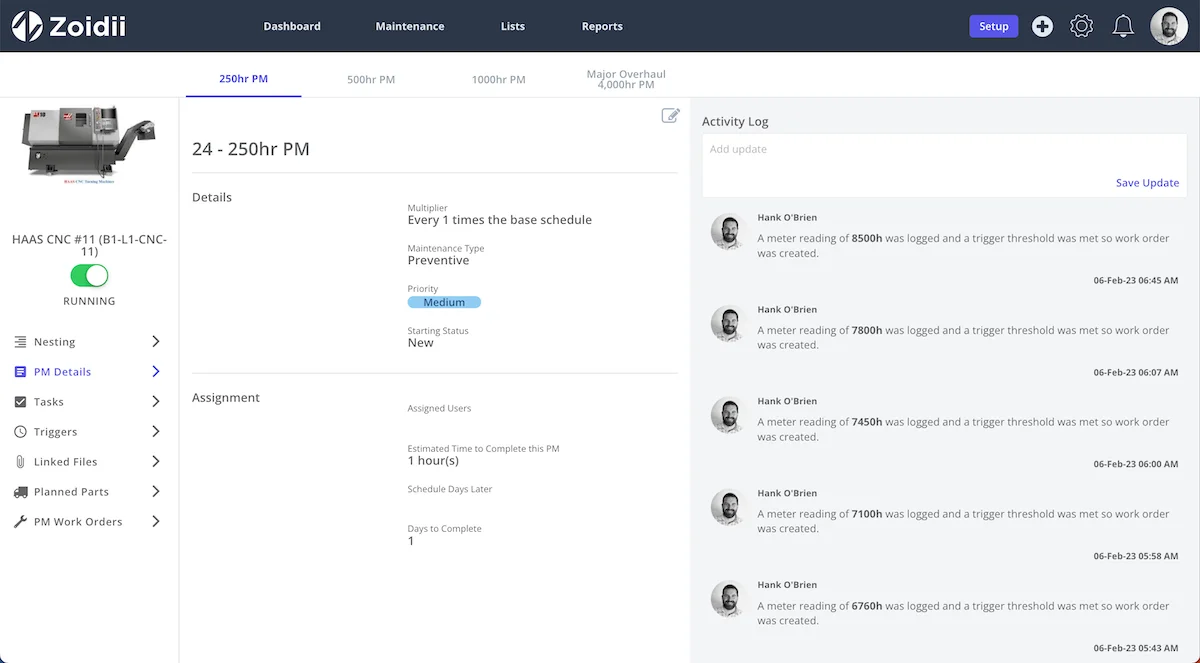
A Computerized Maintenance Management System (CMMS) is software that streamlines and automates maintenance management processes. It provides a centralized platform for managing maintenance activities, tracking asset performance, and storing critical asset information. A CMMS can be used to schedule and track maintenance tasks, manage work orders, and generate reports on asset performance.
Key Features of a CMMS
A CMMS typically includes the following features:
- Asset Management: A CMMS allows organizations to maintain a comprehensive database of all assets, including detailed information such as asset specifications, maintenance history, and associated replacement parts.
- Work Order Management: The system enables the creation, assignment, and tracking of work orders, ensuring that maintenance tasks are completed efficiently and on time.
- Preventive Maintenance: A CMMS can schedule and automate preventive maintenance work, helping to reduce the risk of asset failure and extend asset life.
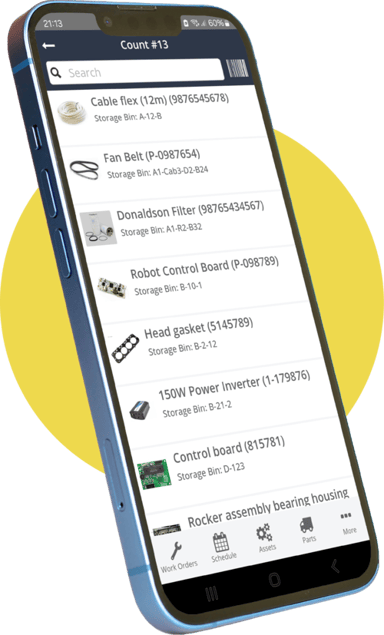
- Inventory Management: The system can track spare parts and inventory levels, ensuring the necessary resources are available for maintenance tasks.
- Reporting and Analytics: A CMMS provides robust reporting and analytics capabilities, allowing organizations to monitor asset performance, identify trends, and make data-driven decisions.
- Mobile Access: Many CMMS solutions offer mobile access, enabling maintenance teams to access the system and update work orders from the field.
How a CMMS Supports ISO 55001 Compliance
A CMMS can play a crucial role in helping organizations achieve compliance with ISO 55001. Here are some ways in which a CMMS supports the standard's requirements:
1. Asset Lifecycle Management
ISO 55001 emphasizes the importance of managing assets throughout their lifecycle. A CMMS provides a centralized platform for tracking and managing assets from acquisition to disposal. The system can store detailed information about each asset, including its specifications, maintenance history, and lifecycle stage.This information is essential for making informed decisions about asset management, such as when to perform maintenance, upgrade, or when to replace an asset.
2. Risk Management
Risk management is a key component of ISO 55001. A CMMS can help organizations identify and mitigate risks associated with their assets. For example, the CMMS can track the condition of assets and generate alerts when maintenance is required, reducing the risk of asset failure.Additionally, a CMMS can store information about potential risks and their mitigation strategies, ensuring that organizations are prepared to address any issues that may arise.
3. Preventive Maintenance
ISO 55001 encourages organizations to adopt a proactive approach to maintenance. A CMMS can automate the scheduling of preventive maintenance tasks, ensuring that assets are regularly inspected and maintained.This proactive approach helps to reduce the risk of unexpected asset failures, extend asset life, and optimize asset performance.
4. Data-Driven Decision-Making
ISO 55001 emphasizes the importance of data-driven decision-making in asset management. A CMMS provides robust reporting and analytics capabilities, allowing organizations to monitor asset performance, identify trends, and make informed decisions.For example, the system can generate reports on asset downtime, maintenance costs, and asset reliability, providing valuable insights to inform decision-making.
5. Stakeholder Engagement
Effective asset management requires the involvement of all relevant stakeholders. A CMMS can facilitate stakeholder engagement by providing a centralized platform for communication and collaboration.For example, maintenance teams can use the system to share information about asset performance, maintenance schedules, and risk management strategies with stakeholders.
Effective information sharing ensures that all stakeholders are informed and involved in the asset management process.
6. Continuous Improvement
ISO 55001 emphasizes the importance of continuous improvement in asset management practices. A CMMS can support continuous improvement by providing data and insights that maintenance managers and reliability engineers can use to identify areas for improvement. For example, the system can track the effectiveness of maintenance tasks and identify opportunities to optimize maintenance processes.Additionally, a CMMS can store historical data on asset performance, allowing organizations to track progress over time and measure the impact of improvements.
Get Started on Your ISO 55001 Journey
ISO 55001 provides a robust framework for effective asset management, helping organizations optimize asset performance, reduce risks, and achieve their objectives. A CMMS can support ISO 55001 compliance by providing a centralized platform for managing assets, scheduling maintenance tasks, and tracking asset performance.
Implementing a CMMS can streamline asset management processes, improve decision-making, and achieve continuous improvement. The combination of ISO 55001 and a CMMS offers a powerful solution for organizations looking to enhance their asset management practices and achieve long-term success.
Effective asset management is more critical than ever in today's fast-paced and competitive business environment.
Organizations that embrace ISO 55001 and leverage the capabilities of a CMMS will be well-positioned to optimize their asset management practices, reduce costs, and achieve their strategic objectives.
If you want to learn more about leveraging a CMMS to manage your assets better, schedule some time with a Zoidii CMMS expert today.