
Most facilities lose up to 20% of their productive capacity to invisible maintenance myths that should have died a decade ago. You're likely drowning in reactive firefighting because someone told you that complex systems equal better results. It's a lie.
Effective software maintenance management isn't about adding layers of bureaucracy; it's about stripping away the noise so your team can actually work. You know the frustration of losing critical asset data the moment a senior tech retires, and you're tired of failing to prove your department's value to leadership.
We agree that maintenance shouldn't feel like a constant emergency. This article debunks the three most expensive misconceptions holding your facility back and shows you how modern tools actually drive ROI.
You'll discover a stupid-simple way to track work orders and a clear path to organized operations. We are breaking down the three specific myths that drain your budget and providing a roadmap to reduce equipment downtime.
Key Takeaways
- Identify the critical differences between CMMS and simple work order apps to ensure you’re using the right tool for your physical assets.
- Expose the "invisible tax" of manual tracking and learn how paper-based systems create hidden costs and compliance risks.
- Discover how modern software maintenance management has ditched complex enterprise screens for "stupid simple" mobile interfaces your team will actually use.
- Understand why small facilities often see the biggest ROI from automation by scaling asset management without increasing administrative headcount.
- Learn a no-nonsense, 3-step framework to strip away the fluff and finally realize your facility’s operational goals.
What is Software Maintenance Management in 2026?
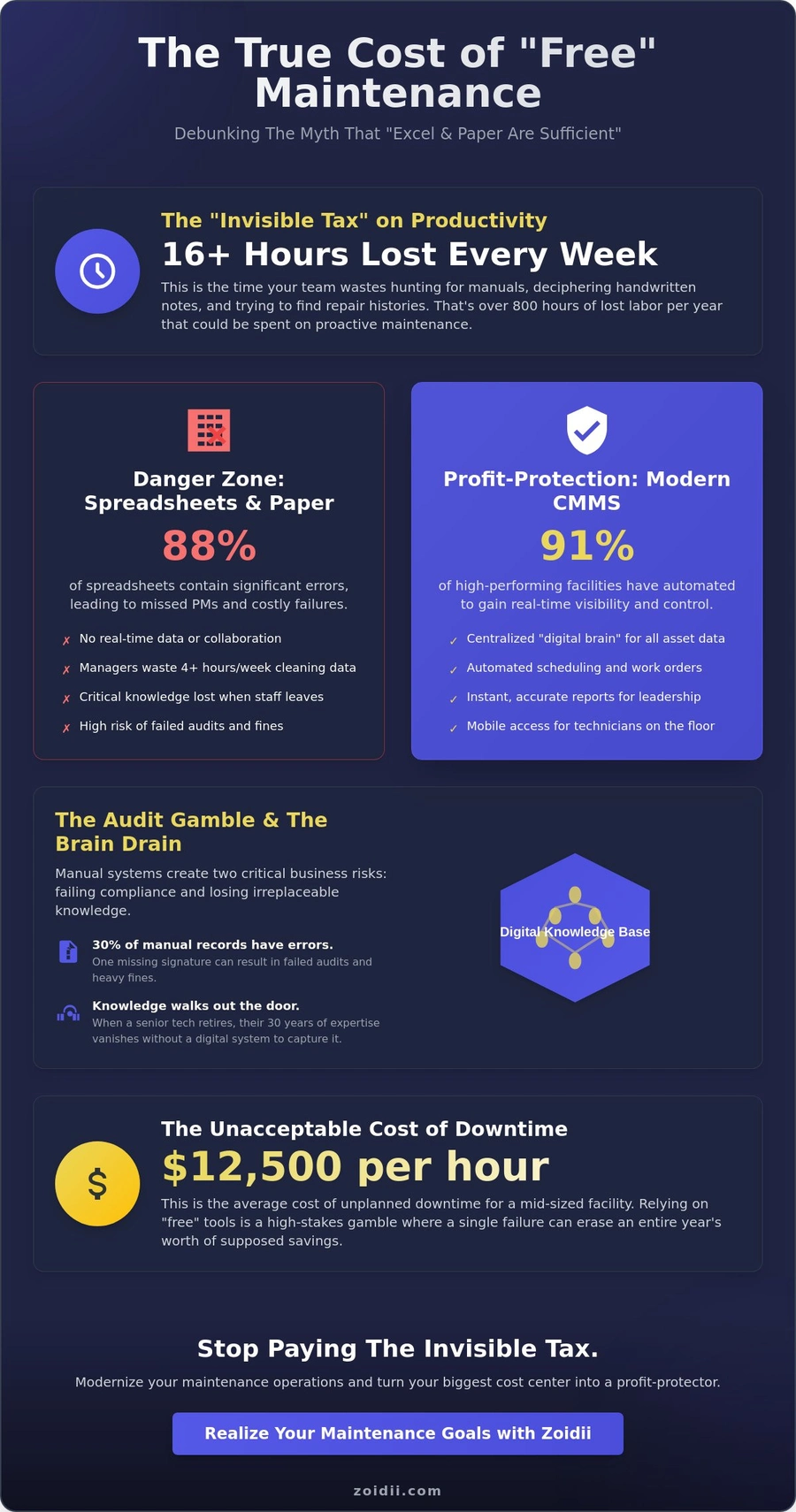
By 2026, software maintenance management will have evolved from a back-office luxury into a mandatory operational engine. It is a centralized digital system designed to schedule, track, and optimize every physical asset in your facility. Forget the days of "fixing it when it breaks." In the current industrial climate, 91% of high-performing facilities have abandoned paper logs and spreadsheets in favor of automated systems that provide real-time visibility into equipment health.
The terminology can get messy, but the distinctions are clear. A Computerized Maintenance Management System (CMMS) focuses on the daily grind of work orders and asset health. Enterprise Asset Management (EAM) scales this up for massive, multi-site corporations.
Simple work order apps act as digital clipboards, but they often lack the depth needed for true optimization. You need a system that creates a "stupid simple" workflow for your team while providing the data you need to make big-picture decisions.
The core goal of software maintenance management has shifted. It is no longer a cost-center mindset where maintenance is seen as a necessary evil. Instead, it is a profit-protection strategy. As of January 2026, the average cost of unplanned downtime for mid-sized manufacturers has climbed to $12,500 per hour. Modern software ensures you aren't just spending money on repairs; you are investing in the guaranteed uptime of your production line.
The Difference Between IT Maintenance and Facility Maintenance
There is a common point of confusion when searching for technical terms. Many people look up What is Software Maintenance and find articles about debugging code, patching servers, or managing Service Level Agreements (SLAs). That is IT maintenance.We are talking about managing physical assets via software. Our focus remains on the tools, heavy equipment, and buildings that drive your business. It is about the people who fix the machines, not the people who update the operating system.
Key Components of a Modern Management System
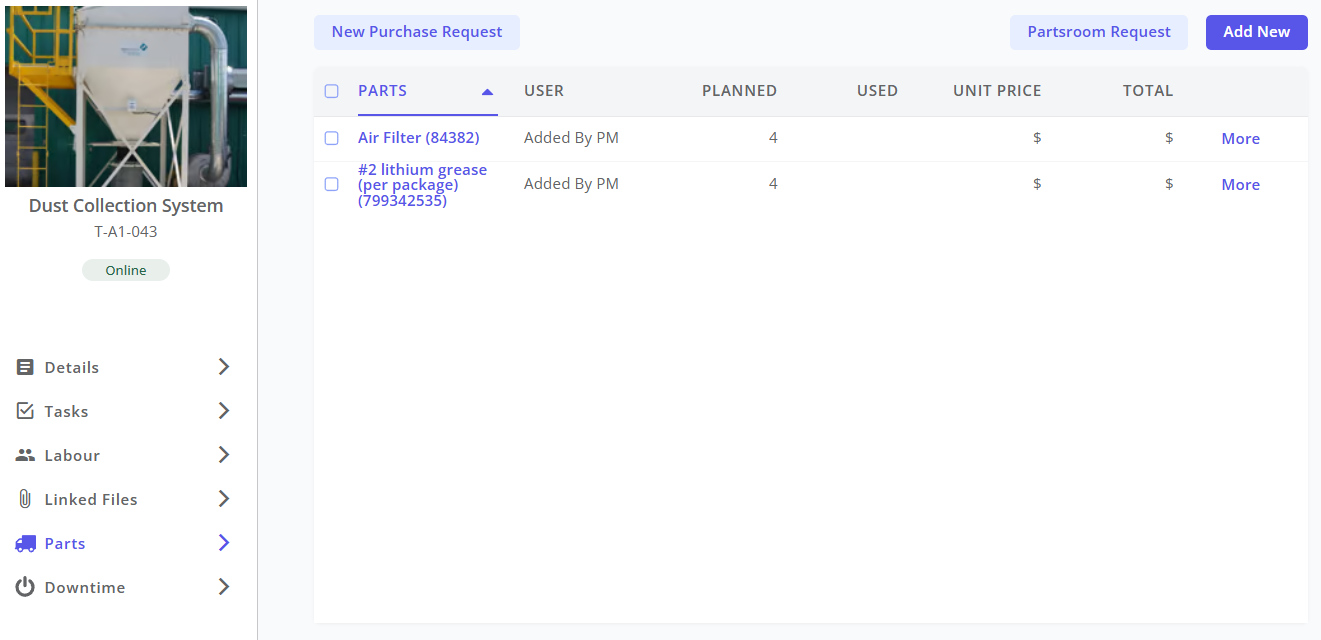
A modern system must be lean and functional. It should strip away the fluff and focus on three pillars that help you realize your goals quickly:- Asset Registry: This serves as the digital twin of your physical floor. It contains every manual, warranty detail, and repair history for your equipment in one accessible location.
- Work Order Life Cycle: This moves a request from the initial report to final completion without a single piece of paper. It tracks who did the work, how long it took, and what parts were used.
- Preventive Maintenance (PM) Library: This is where your schedules live. It automatically triggers work orders based on dates or meter readings, ensuring you never miss a critical service interval.
Myth #1: "Excel and Paper are Free and Sufficient"
Paper is cheap. Spreadsheets come with the computer. It feels like you're saving money, but you're actually paying an "invisible tax" every single day. Manual software maintenance management relies on human memory and physical filing cabinets.
When a machine breaks, your tech spends 20 minutes hunting for a manual or checking a clipboard for the last repair date. If you have five techs doing this twice a day, you've lost over 16 hours of productivity every week. That's not free; it's a massive drain on your bottom line.
Paper trails also create compliance nightmares. During an audit, flipping through binders to find a signature from six months ago is a high-stakes gamble. Research shows that 30% of manual maintenance records contain errors or missing data. One missed inspection signature can lead to failed audits and heavy fines.
Transitioning to modern cmms software isn't just about buying a tool. It's a risk mitigation strategy that protects your facility from human error and regulatory scrutiny.
The Real Cost of "Free" Spreadsheets
Spreadsheets are dangerous because they feel organized until they aren't. A study from the University of Hawaii found that 88% of spreadsheets contain significant errors. In maintenance, a typo means a missed PM.Managers often spend 4 hours a week just cleaning up data and generating reports that a digital system creates in seconds. Spreadsheets don't save money; they just hide the true cost of downtime behind a wall of manual labor.
Institutional Knowledge vs. Digital History
The 2026 labor market is tight. You can't afford a three-month onboarding process for every new hire. When your lead technician retires, his 30 years of knowledge shouldn't walk out the door with him.Digital systems act as a "brain" for your facility that never forgets a repair. By attaching photos, wiring diagrams, and manuals directly to work orders, you get new hires up to speed in hours.
They don't need to guess where a valve is located; the software shows them exactly what to do. If you want a more organized maintenance department, you need a system that builds a permanent history instead of relying on someone's memory.
Myth #2: "Maintenance Management Software is Too Complex for My Team"
The "Old Guard" objection is a classic productivity killer. You've heard it before: "My guys won't use an app." This fear usually stems from a history of clunky, 1990s-style enterprise software that required a week of training just to log a lightbulb change.
Modern software maintenance management has flipped the script. We've moved away from cluttered desktop screens and moved toward "Stupid Simple" mobile interfaces that work the way your team does.
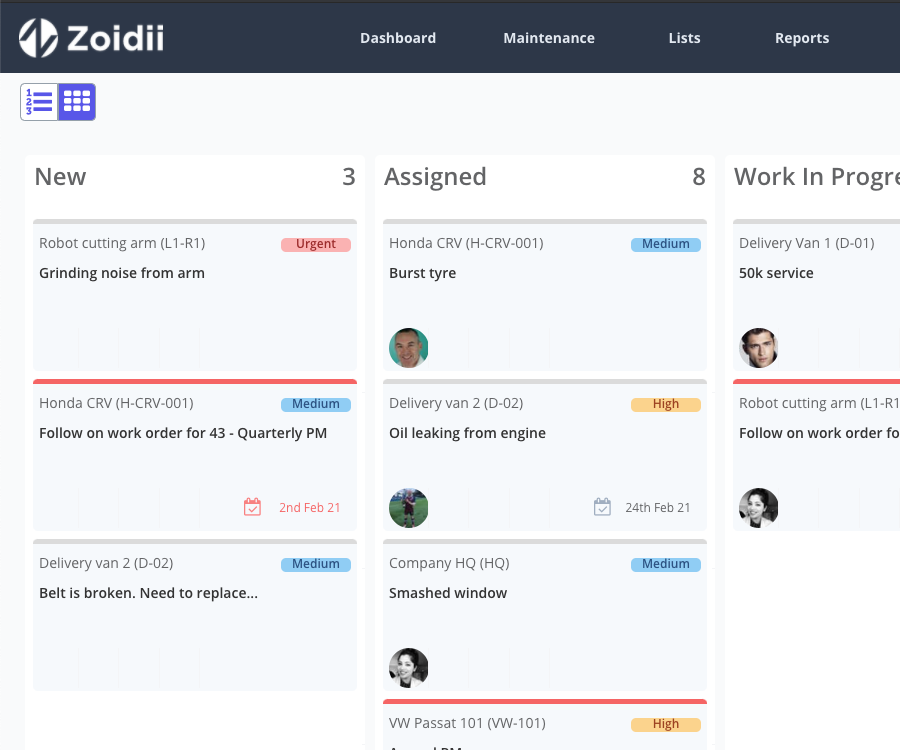
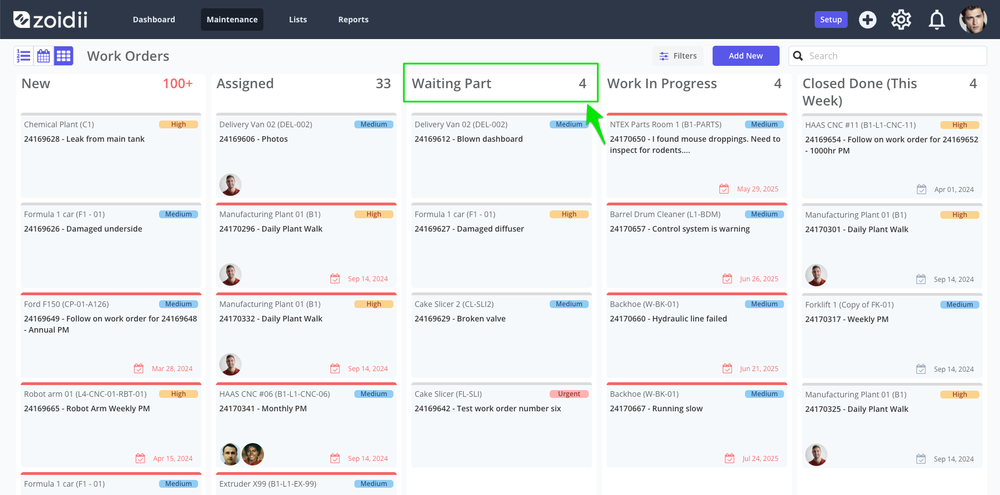
Visual tools like Kanban boards make the daily grind intuitive for everyone. Instead of digging through spreadsheets, technicians see a digital board where they can drag and drop tasks. It's a clear, visual representation of what's "To-Do," "In Progress," and "Done." Data access is equally effortless. By using QR codes, a technician simply scans a tag on a piece of equipment with their phone.
They get instant access to manuals, parts lists, and repair history. It's as easy as taking a photo, which saves an average of 8 to 12 minutes per work order that used to be spent hunting for paper manuals.
User Experience (UX) as a Maintenance Metric
The best software isn't the one with the most features; it's the one that actually gets used on the shop floor. Adoption is the only metric that truly matters. Traditional systems failed because they were designed for accountants, not for people with grease on their hands. Modern, mobile-first apps prioritize the technician.There is a massive psychological benefit to a clean, digital "To-Do" list. It eliminates the mental fog of disorganized tasks and gives the team a sense of accomplishment as they check off items in real-time. When software feels like a tool rather than a chore, data accuracy improves by up to 70%.
Training: From Weeks to Minutes
Forget the two-week classroom sessions. If you understand what a CMMS is, you know its primary job is to simplify your life, not complicate it. Modern software maintenance management tools use in-app prompts and simplified work order creation to guide users through the process. In the context of maintenance software,"Stupid Simple" means the interface is so intuitive that a technician can log a repair in under 30 seconds without ever opening a training manual. Training shifts from a formal event to a few minutes of hands-on clicking. It turns your team into data experts without the corporate headache.
Myth #3: "We Only Need Software for Large-Scale Facilities"
Thinking software is only for the big guys is a trap that keeps small operations stuck in a cycle of reactive chaos. Small maintenance teams actually have the most to gain from automation because they have the least margin for error. When you only have two or three techs, you don't have a dedicated clerk to track spreadsheets or hunt down spare parts.
Every minute spent on manual data entry is a minute taken away from the floor. Modern software maintenance management isn't a luxury for small shops. It's the only way they can compete.
Automation as a Force Multiplier
Small teams use automation to punch above their weight. If you're managing 50 assets with a skeleton crew, you can't rely on memory or whiteboards. Automatic PM scheduling creates a "set it and forget it" workflow.This ensures critical checks happen without a manager needing to trigger them manually every Monday morning. Inventory alerts are equally vital. A $5 sensor or a specific O-ring being out of stock can halt a $50,000 production line for days. Automated alerts tell you exactly when to reorder before the shelf is empty, preventing 100% of preventable part-related downtime.
Preparing for Compliance and Growth
Waiting to digitize until you're "big enough" creates a growth ceiling. Companies that refuse to adopt a digital-first approach often find themselves stuck because administrative chaos prevents them from taking on new contracts or investment.You also can't ignore safety based on your size. Every workshop must understand what does osha stand for and how to prove compliance during a surprise inspection. Having a digital trail of every repair and safety check makes audits a 10-minute task instead of a week-long nightmare.
- Scaling without Headcount: Transition from 10 assets to 1,000 without hiring more administrative staff.
- Professionalism: Use guest work orders so external requests don't arrive via sticky notes or "drive-by" conversations.
- Data Sovereignty: Own your maintenance history from day one so you can pitch for new business with proven uptime stats.
By the time they reach 1,000 assets, the system is already doing the heavy lifting. Ready to stop the paperwork shuffle? See how Zoidii makes management stupid simple.
How to Realize Your Maintenance Goals with Zoidii
Zoidii operates on a single principle: software should help you work, not give you more work. Most tools in the software maintenance management space are bloated with features you'll never touch. We stripped away the fluff. We focused on what actually keeps your machines running and your team productive. It's a stupidly simple approach that delivers professional results without the headache.
Transitioning to a new system shouldn't take months. With Zoidii, you can get organized in three clear steps. First, upload your assets. Second, schedule your PMs. Third, invite your team. It's that direct. By removing the technical barriers, we ensure your transition from firefighting to a proactive culture happens in days, not years. You get real-time visibility through a Kanban maintenance board.
This visual layout allows managers to see exactly what's pending, what's in progress, and what's completed at a glance. No more digging through spreadsheets or chasing down status updates.
The Zoidii Difference: Pragmatic Efficiency
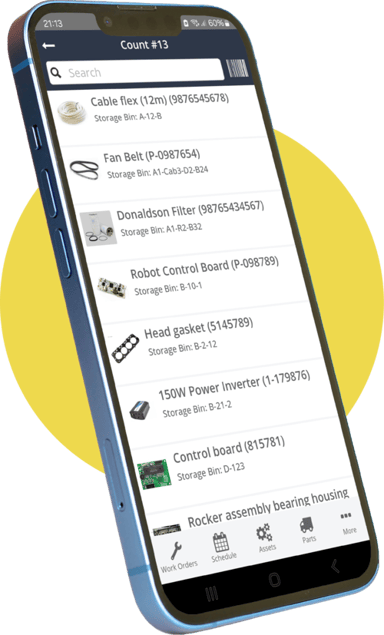
Our mobile app is built for the floor. Technicians can update work orders, attach photos, and check parts inventory right where the work happens. If a non-user needs to report a leak or a breakdown, the Guest Work Order feature allows them to submit requests without needing a full account.This keeps communication seamless across the entire facility. For the C-Suite, Zoidii provides SSO for security and robust reporting to prove ROI through concrete data, not guesswork.
Your Path to Operational Order
Zoidii transforms software maintenance management from a complex chore into a streamlined routine. It's time to stop over-engineering your workflow. Complexity is the enemy of execution. If you're ready to fix your facility and empower your team, let's talk.You won't be pushed into a high-pressure sales cycle. Instead, you'll chat with a product expert who understands the daily grind of maintenance. They'll show you how to turn chaos into a predictable, manageable process.
Stop fighting your tools and start fixing your equipment. Book a demo to see Zoidii in action and take the first step toward true operational order.
Stop Letting Maintenance Myths Stall Your Growth
The days of relying on messy spreadsheets and paper trails are officially over. To stay competitive in 2026, your team needs a modern approach to software maintenance management that prioritizes speed and clarity.
We've busted the myths that suggest digital tools are too complex or only meant for massive industrial plants. The reality is that outdated manual systems are costing you hours of uptime every week. You don't need a three-month implementation period to see results. You need a tool that works as hard as your crew does without the unnecessary fluff.
Zoidii is the #1 rated cloud-based CMMS for ease of use. It's trusted by maintenance teams globally to slash downtime and keep assets running at peak performance.
Our setup is stupid simple; you'll realize your operational goals in days, not months. Don't let disorganized work orders hold your facility back. It's time to trade the chaos for a clear, calm path toward operational order.
Ready to see how easy it is to organize your facility? Book a demo with a Zoidii product expert today and start hitting your targets immediately.