
The role of CMMS (Computerized Maintenance Management Systems) has changed dramatically over the last few years. What used to be a digital filing cabinet for work orders and asset lists is quickly becoming the brains of the maintenance organization.
As we move into 2026, that shift accelerates: CMMS platforms are becoming connected, predictive, and business-critical systems that shape everything from uptime to energy use to even workforce planning.
Here are the key CMMS directions that will define smarter maintenance in 2026—and what they’ll mean in practice.
1. From reactive records to predictive “maintenance copilots”
For years, CMMS platforms focused on logging what happened: which asset failed, who fixed it, and how long it took. In 2026, the emphasis is increasingly on what will happen next. Modern CMMS tools are being built—or rebuilt—with embedded AI and machine learning models that use your historical data, OEM recommendations, sensor inputs, and environmental conditions to suggest the optimal maintenance strategy. Instead of just scheduling PMs by calendar or runtime, the system will:
- Estimate the remaining useful life of critical components
- Dynamically adjust schedules when risk changes
- Flag assets that are over-maintained as well as under-maintained
- Recommend the best time to take equipment offline to minimize impact
2. IoT-powered CMMS becomes the new normal
Connecting equipment data to the CMMS is no longer an innovation project—it’s becoming table stakes. Low-cost sensors, industrial IoT platforms, and edge devices enable vibration, temperature, pressure, energy consumption, and runtime to be streamed directly into your maintenance system.
In 2026, expect to see CMMS platforms that can:
- Auto-generate work orders when sensor thresholds are breached
- Correlate alarms across multiple systems to pinpoint the true root cause
- Visualize live asset conditions in dashboards tied directly to work history
- Feed sensor analytics back into risk scoring and criticality rankings
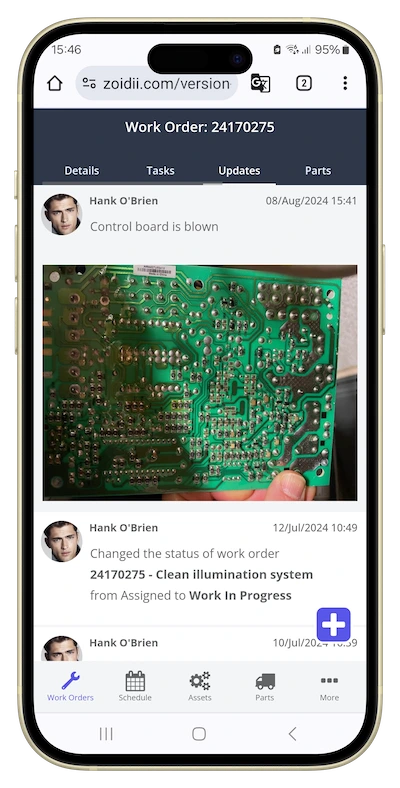
3. Mobile-first experiences for a changing workforce
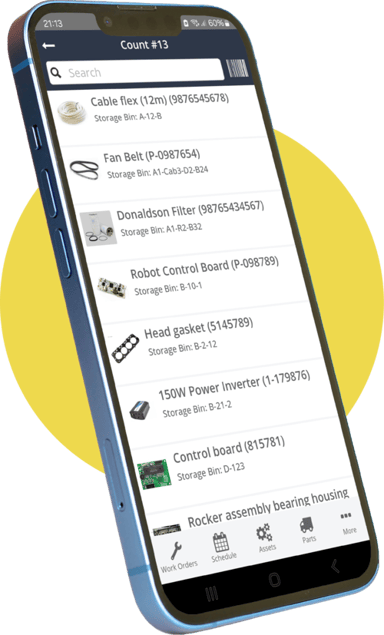
By 2026, a large portion of experienced technicians will be retiring or close to it, and new hires will have grown up with smartphones in their pockets. CMMS vendors are responding by redesigning their platforms around mobile, not as an add-on, but as the primary way people interact with the system.
You can expect to see:
- Step-by-step digital work instructions (otherwise known as SOPs) with photos and short videos
- QR/NFC tags that pull up the full asset history with a single tap
- Voice input for notes and fault descriptions
- Guided forms that reduce data entry errors and training time
4. CMMS as the integration backbone, not an isolated tool
Maintenance can no longer operate in its own data silo. In 2026, the most effective organizations will treat the CMMS as a core part of an integrated operations stack, tightly connected with ERP, EAM, MES, BMS, and procurement systems.
Key integration trends include:
- Automatic material reservations and purchase requests from approved BOMs
- Real-time labor and downtime cost capture feeds straight into finance
- Bi-directional links with production schedules to plan maintenance around throughput
- Connection to building management and SCADA systems for alarms and status
5. Stronger focus on cybersecurity and data governance
As CMMS tools become more connected to IoT devices, cloud platforms, and other enterprise systems, they also become part of the cybersecurity attack surface. By 2026, maintenance teams will hear much more from their IT and security counterparts about how their systems are secured and governed.
You’ll see:
- Stricter role-based access controls and multifactor authentication
- Audit trails for changes to asset records, schedules, and critical settings
- Network segmentation and zero-trust approaches for OT/IT integration
- Clearer data ownership policies, especially when using SaaS CMMS platforms
6. Sustainability and energy performance embedded into maintenance workflows
Sustainability targets are increasingly being pushed down to the asset and site levels, and maintenance is uniquely positioned to influence energy use, emissions, and waste. In 2026, more CMMS systems will incorporate sustainability metrics alongside traditional indicators like MTBF and work backlog.
Practical examples include:
- Tracking energy consumption at the asset level and correlating it with condition and maintenance activities
- Flagging equipment that is operating out of optimal efficiency bands
- Encoding “green” maintenance practices into standard work instructions (lubricant choices, cleaning agents, disposal methods)
- Supporting decisions about repair vs replace based on lifecycle impact as well as cost. Read more about how to decide whether to repair or replace equipment.
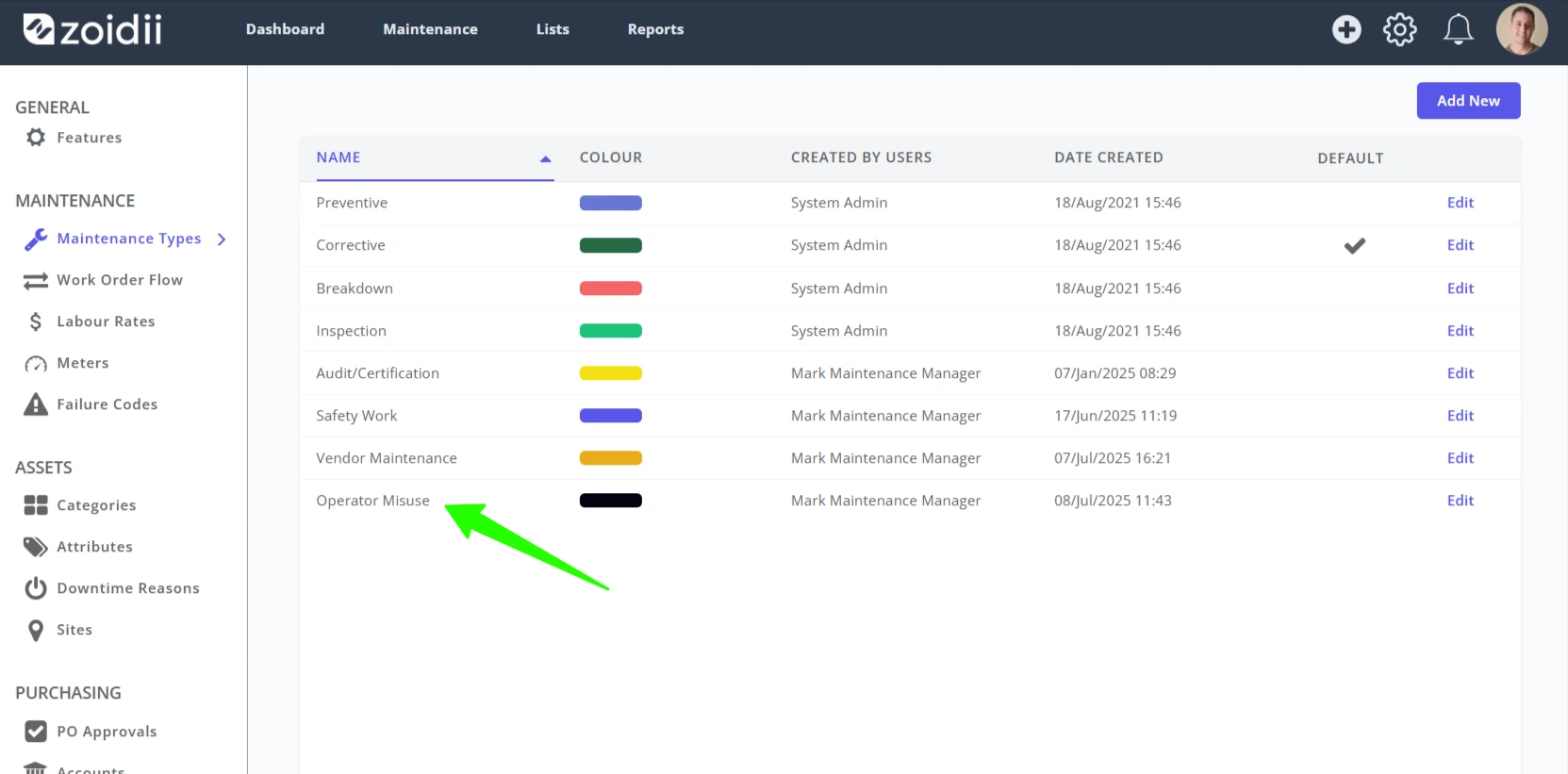
7. Human-centric design and change management built into the product
One of the biggest reasons CMMS implementations fail isn’t the technology; it’s adoption. Vendors are starting to realize that smarter maintenance requires better human factors design just as much as AI and IoT.
In 2026, expect more emphasis on:
- Interfaces that surface only what each role truly needs to see
- In-app tutorials, guided tours, and contextual help
- Embedded training content and micro-learning for new features
- Analytics focused on adoption and data quality, not just asset performance
Getting ready for 2026: what to do now
Knowing the trends is useful; acting on them is where the value lies. To prepare for smarter CMMS-driven maintenance in 2026, organizations should focus on a few foundational steps today:
- Clean your data. Even the best AI and analytics are only as good as the underlying asset, work order, and inventory data. Prioritize standardizing naming conventions, closing aging work orders, and validating critical asset information.
- Start small with IoT. Pick a handful of critical assets and pilot sensor integration into your CMMS. Use the lessons to build a scalable pattern rather than trying to instrument everything at once.
- Invest in your people. Bring technicians and planners into CMMS discussions early, especially around mobile workflows and new features. Their feedback will determine whether the system becomes a daily habit or an administrative burden.
- Think integration from day one. When evaluating or upgrading CMMS platforms, treat APIs and integration capabilities as first-class requirements, not afterthoughts.
- Align with business goals. Tie CMMS initiatives to outcomes the wider business cares about: uptime, on-time delivery, safety, energy costs, and ESG metrics.