
You know your operators notice the little things: strange noises, tiny leaks, and odd vibrations long before sensors do. Put that insight to work: empower your operators with simple daily checks, and you’ll slash unplanned downtime before it ever starts.
Bringing operators into a total productive maintenance (TPM) strategy transforms equipment care from an isolated task into a shared responsibility. This change improves equipment reliability, strengthens collaboration, and increases overall productivity.
Giving the people who use the equipment every day more control helps you build a stronger, more resilient operation from the ground up.
Why Traditional Maintenance Approaches Create Gaps
Traditional maintenance models often put a wall between operators and the equipment they run. Operators are treated as users, not owners. Their job is to produce, and when a machine falters, they report it and wait.
This disconnect leads to friction and operational blind spots. It also causes preventable failures because the people with the most hands-on experience aren't involved in routine care.
The reactive cycle keeps maintenance teams scrambling from one fire to the next as small issues grow into major problems.
The High Cost of Disengagement
If operators aren't involved in basic equipment care, the consequences appear on the production floor. Minor stops, strange noises, and small leaks get ignored until they cause a full breakdown.
This reactive state leads to more unplanned downtime, which halts production and hurts your bottom line. A disengaged operator might not report a worn belt until it snaps, turning a quick fix into hours of lost output.
The cycle of recurring minor failures and major breakdowns is a direct result of a system that sidelines its frontline workers.
Overlooking Frontline Expertise
Your operators know their machines better than anyone. They recognize the normal sounds, vibrations, and temperatures of daily operation. Ignoring their insights is one of the biggest missed opportunities in maintenance.
These frontline workers can spot the earliest signs of a problem, long before a sensor detects it or an alarm goes off. If their observations aren't valued or there’s no system to report them, you lose a powerful source of early fault detection.
This oversight is one of the most common maintenance challenges facilities face, and valuable process improvements are lost.
Shifting Ownership to the Frontline - The TPM Philosophy
A Total Productive Maintenance (TPM) program flips the traditional model on its head. It gives operators true ownership of their equipment’s health and performance. This philosophy fits with lean manufacturing principles by eliminating waste and pushing for continuous improvement.
Instead of just running a machine, operators become its primary caretakers. They are trained and trusted to handle routine inspections, cleaning, and basic adjustments. The shift gives them a sense of pride and responsibility, turning them into active partners in the maintenance process.
From User to Asset Guardian
At its heart, TPM is a mindset shift. Operators stop being passive users and become active asset guardians. They are the first line of defense against equipment degradation. This responsibility begins with simple but important tasks.
- Cleaning - Cleaning is about more than appearances. It is a form of inspection that reveals leaks, cracks, and loose parts.
- Inspection - Operators learn to look for specific warning signs during their daily checks, catching problems before they get worse.
- Basic Upkeep - This includes tasks like lubrication, tightening bolts, and making minor adjustments that keep the machine running smoothly.
Closing the Loop with Maintenance
This approach doesn't replace the maintenance department; it strengthens it. When operators handle routine tasks, they build a stronger partnership with the specialized maintenance team. Communication gets better because operators can describe issues with greater accuracy.
Technicians are no longer called for simple fixes and can focus on complex repairs, predictive analysis, and strategic improvements.
This collaborative environment closes the loop between operations and maintenance, so everyone is working toward the same goal of maximum equipment reliability.
Practical Steps to Engage Operators in Your TPM Program
Bringing operators into your maintenance workflows requires a structured plan. You need to give them the skills, tools, and authority to contribute with confidence.
1. Provide Clear, Foundational Training
Success begins with education. Operators need foundational training on how their equipment works, what to look for during inspections, and how to perform basic upkeep safely.
This training should cover equipment basics, proper lubrication techniques, and important inspection points.
The goal isn't to turn them into expert technicians but to give them the knowledge to perform autonomous maintenance with confidence. Clear, simple instructions and hands-on practice build competence and reduce hesitation.
2. Define Autonomous Maintenance Tasks
Vague instructions lead to inconsistent results. Create simple, standardized checklists for daily, weekly, and monthly operator tasks. The checklists should be clear, visual, and easy to follow. Each item should directly contribute to equipment reliability. A daily checklist, for example, might include:
- Wipe down machine surfaces.
- Check fluid levels.
- Listen for unusual noises.
- Confirm safety guards are in place.
3. Equip Them with Simple Tools
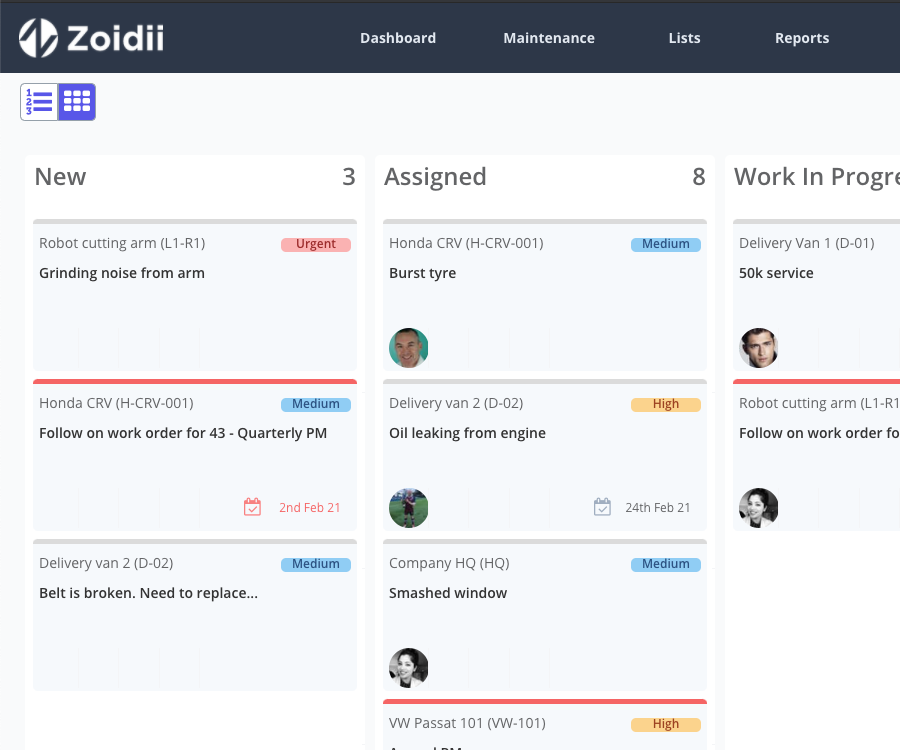
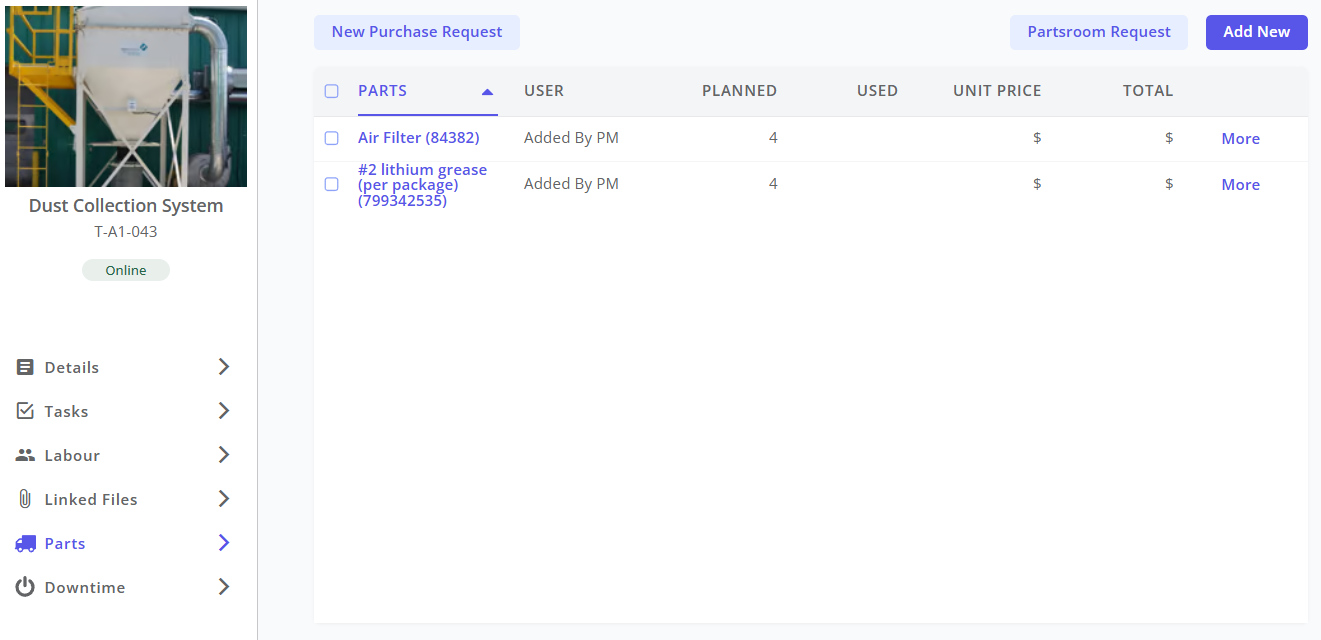
Operators need tools that make it easy to participate. A user-friendly Computerized Maintenance Management System (CMMS) like Zoidii lets them log issues, complete tasks, and access asset history without needing extensive training.
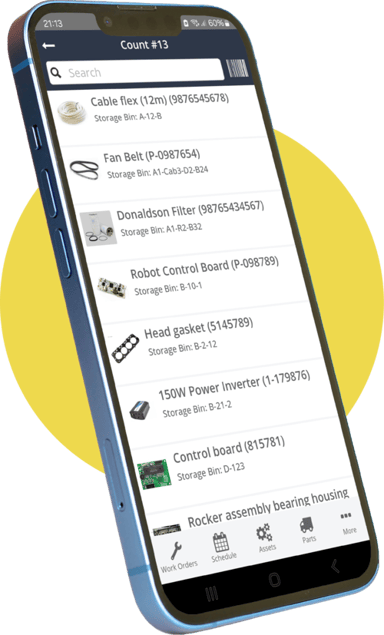
Using a mobile app, an operator can scan a QR code on a machine, pull up a checklist, and mark tasks as complete in seconds.
They can also snap a photo of a potential problem and create a work request on the spot, giving the maintenance team detailed, real-time information.
4. Establish a Feedback System
Give operators a voice. Create clear channels for them to report observations and suggest improvements. This could be a regular meeting with the maintenance team, a suggestion box, or a feature inside your CMMS.
When operators see that their feedback is heard and acted on, they become more engaged in the continuous improvement process. This feedback loop is vital for refining your TPM program and finding new ways to improve performance.
Measurable Benefits of an Operator-Centric TPM Strategy
When you successfully involve operators in maintenance, the business outcomes are clear and significant.
Drastic Reduction in Minor Stoppages
Well-trained operators are your best defense against the small, recurring issues that slowly chip away at productivity. Cleaning, inspecting, and lubricating their equipment daily helps them prevent the minor stops that cause delays and frustration.
These small wins add up, leading to smoother production runs and a noticeable reduction in nuisance alarms and brief interruptions.
A Clear Rise in OEE
Operator involvement directly impacts the three components of overall equipment effectiveness (OEE).
1. Availability - Fewer breakdowns mean more uptime.
2. Performance - Well-maintained machines run closer to their ideal speed.
3. Quality - Properly calibrated equipment produces fewer defects.
As operators take ownership of asset health, you will see a clear and sustainable increase in your OEE scores.
More Effective Preventive Maintenance
When operators handle foundational tasks, your skilled technicians are free to focus on what they do best. They can dedicate their time to complex diagnostics, root cause analysis, and executing strategic preventive maintenance schedules.
This division of labor improves the efficiency of your entire maintenance effort. Technicians are no longer bogged down by routine work and can concentrate on high-value projects that prevent major failures and extend asset life.
Increased Employee Satisfaction
Giving operators more responsibility and trusting their expertise is a powerful motivator. They feel more valued, engaged, and connected to the company’s success. This sense of ownership improves morale and leads to higher job satisfaction.
An engaged workforce is more proactive, more likely to suggest improvements, and less likely to leave. Investing in your operators is an investment in your company culture.
See How Zoidii Empowers Your Operators
Zoidii is built to make operator involvement in maintenance simple and straightforward. Our platform bridges the gap between your operators and your maintenance team, creating a single, collaborative environment for asset care.
Simplified Workflows for Everyone
We built Zoidii with simplicity in mind. The intuitive interface lets operators report problems, complete assigned tasks, and log notes with just a few clicks on any phone, tablet, or computer.
There are no complicated menus or confusing fields. This ease of use ensures high adoption rates and removes technology barriers, so your operators can contribute from day one.
Centralized Asset Knowledge
Zoidii puts important information directly into the hands of your operators. They can scan an asset’s QR code to instantly access manuals, diagrams, safety procedures, and a complete maintenance history.
This on-the-spot access gives them the context they need to perform inspections and basic tasks correctly and safely, without having to hunt for information or ask a supervisor.
Empower Your Employees to Work More Effectively
Stop letting operational silos hold you back.
Zoidii provides the tools to build a truly collaborative maintenance culture where everyone contributes to equipment reliability. See for yourself how our platform can connect your operators and technicians.
Book a tour today to see how Zoidii’s features can strengthen your entire team.