
Today, work orders are still essential for managing assets in manufacturing, facilities, and field services. A work order is a formal document or digital record that authorizes and details tasks like repairs, inspections, or installations. This helps ensure tasks are done properly and that there is accountability.
This guide dives into work orders. It explains definitions, types, and lifecycle management. You’ll also find best practices, tools, challenges, and benefits. No matter if you’re a maintenance manager or a facility coordinator, mastering work orders can cut costs by up to 20%.
It also boosts equipment reliability. We’ll use industry insights and 2025 trends to give you strategies that can enhance your maintenance practices.
What is a Work Order?
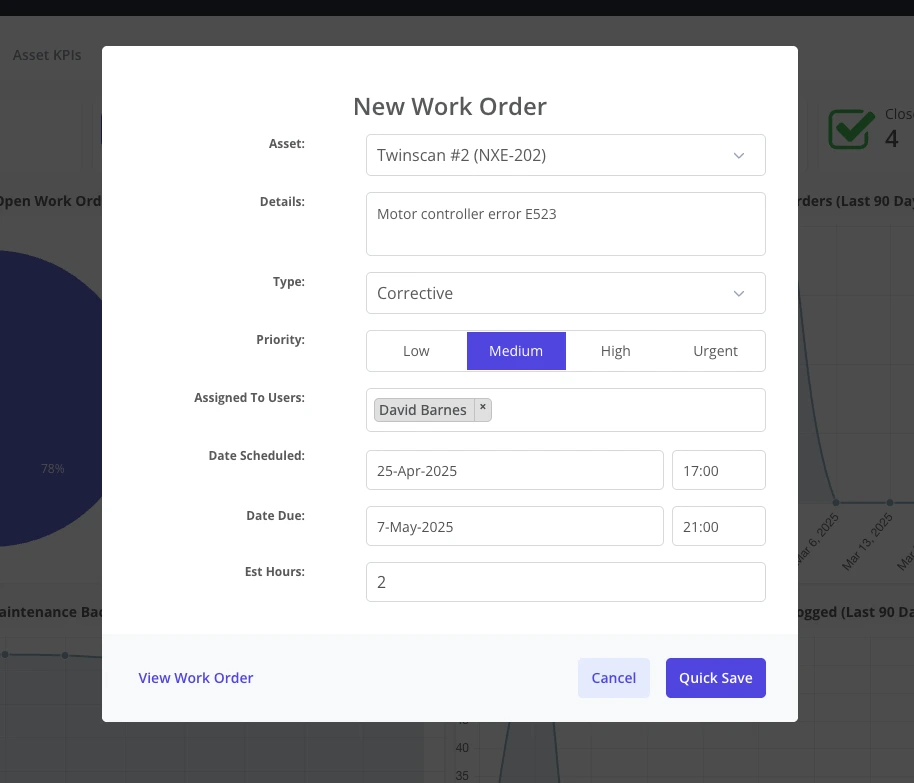
A work order is a document that lists all the details for maintenance tasks. It also explains how to complete those tasks.
Work orders are different from casual task lists. They provide traceability, compliance, and efficiency. They have changed from paper-based systems to digital formats.
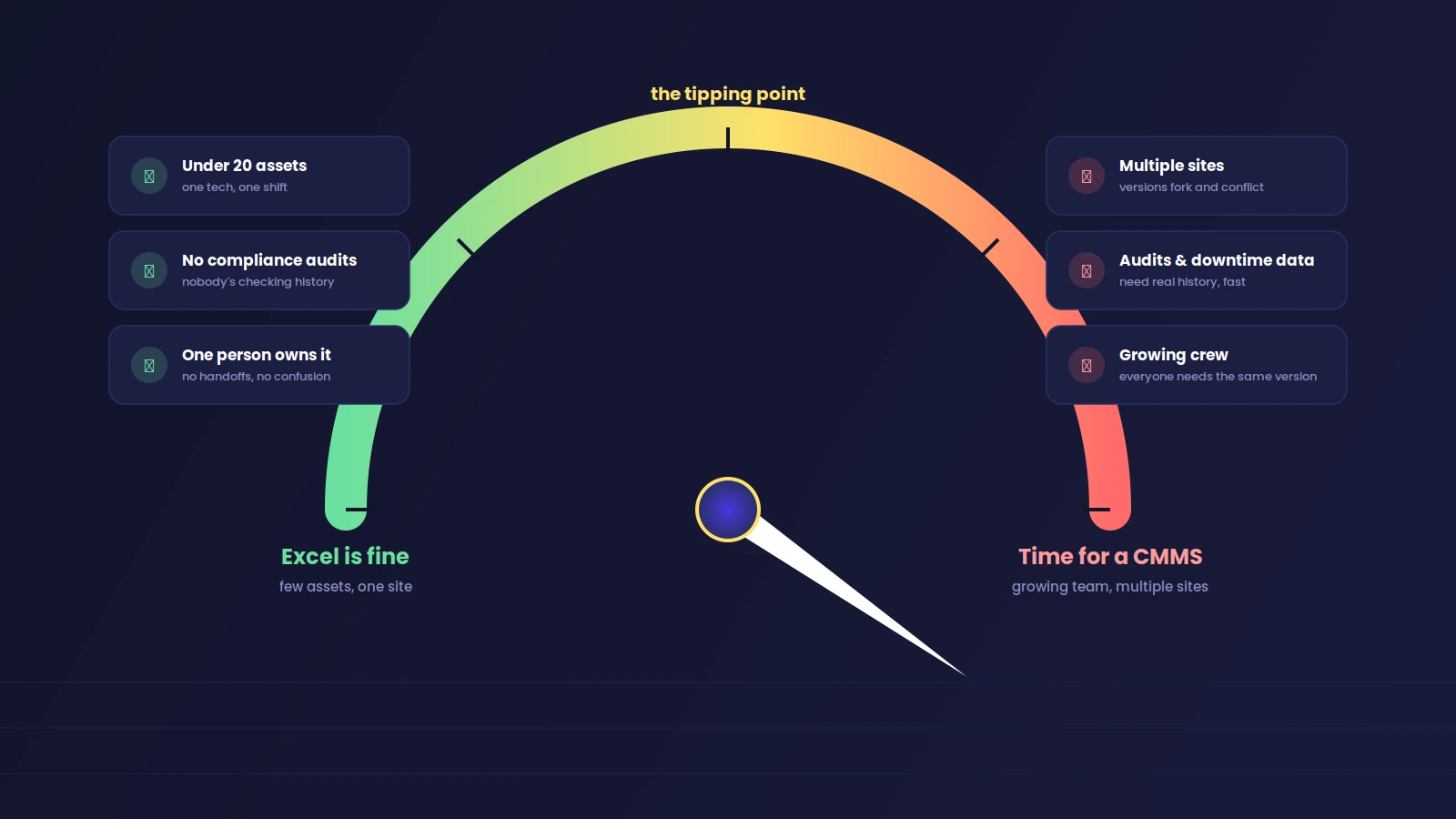
These formats work well with CMMS (Computerized Maintenance Management Systems). The importance of work orders lies in their role in preventing chaos.
In 2025, as operational complexities increase, they help organizations:
- Track asset health
- Allocate resources effectively
- Maintain regulatory compliance, like OSHA standards
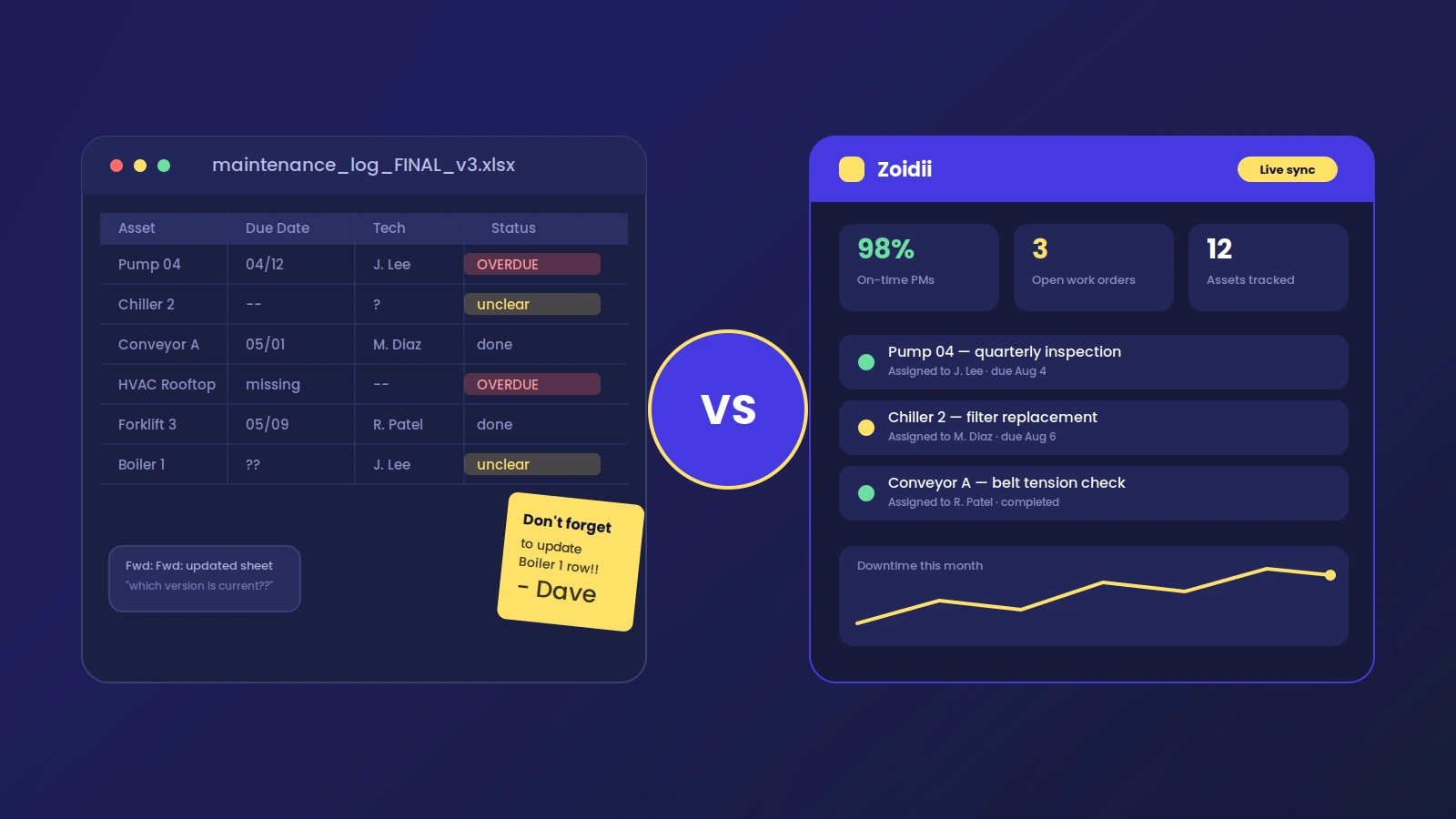
In the past, work orders were done manually. Now, digital adoption has grown quickly. Cloud-based systems provide mobile access and real-time updates. This shift addresses issues such as lost paperwork. It makes work orders indispensable for today’s operations.
Types of Work Orders in Maintenance
Work orders are categorized based on urgency, purpose, and strategy, enabling tailored management. Here are the key types prevalent in facilities management:

Preventive work orders, a staple in proactive strategies, can slash unplanned downtime by 50%. Corrective types deal with repairs after an issue is found. Emergency types aim for fast action to reduce risks. In 2025, predictive maintenance is becoming popular. AI and IoT boost their ability to save costs. Inspection and safety work orders are vital in regulated fields, like aviation and healthcare. They help ensure continued compliance. Other types include general work orders for various tasks, like hanging a picture in an office. The type you choose depends on your industry. In manufacturing, preventive and predictive methods are key. Retail needs corrective and emergency fixes to act fast. Integrating these into a CMMS allows automation, reducing manual errors.
Components of a Work Order
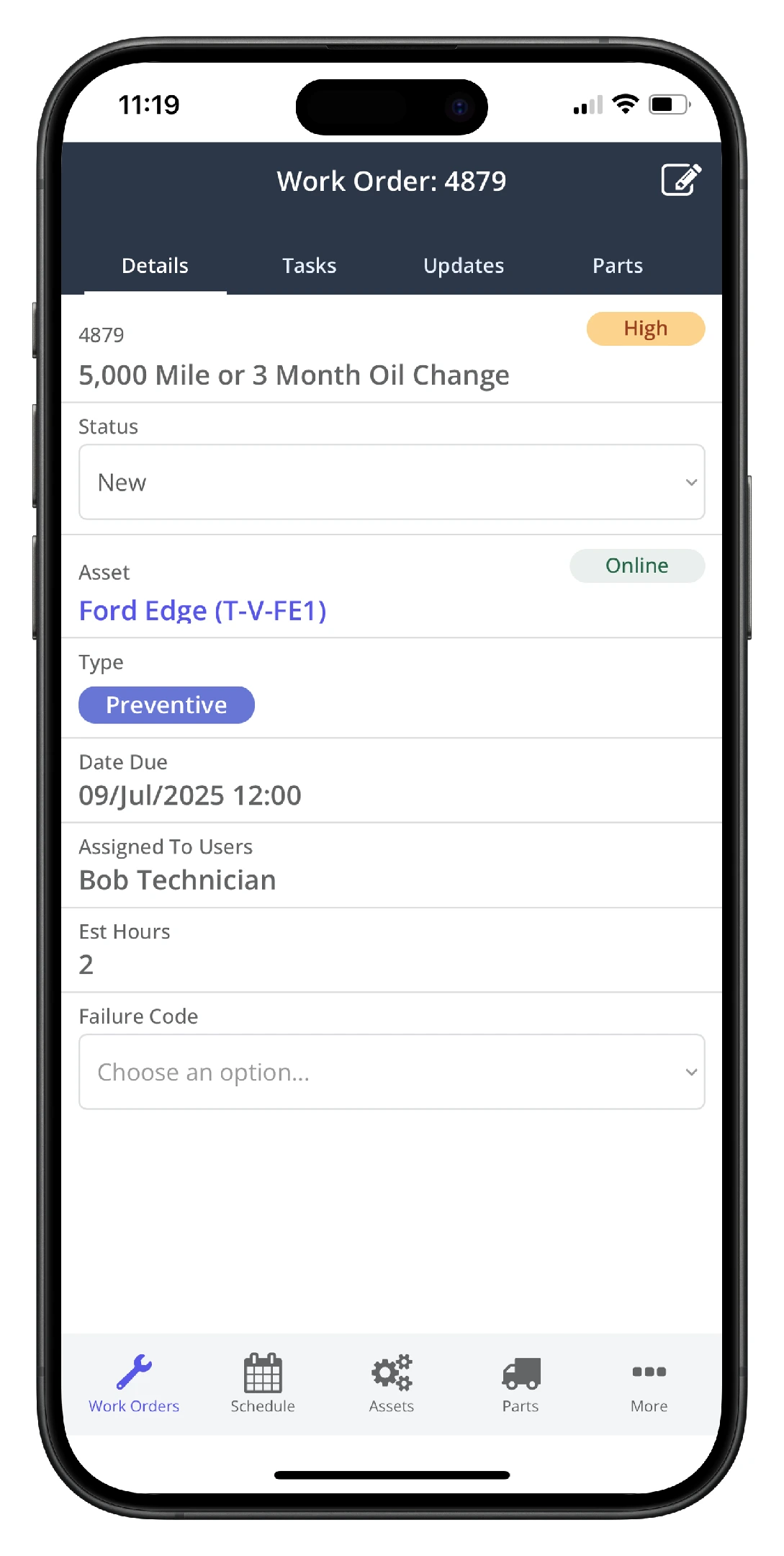
A robust work order comprises essential elements for clarity and execution. Standard components include:
- Header Details: Unique ID, creation date, requester information, and asset/location specifics.
- Task Description: Detailed instructions, including steps, rationale, and expected outcomes.
- Resource Requirements: Tools, parts, labor estimates, and costs.
- Priority and Timeline: Urgency rating (e.g., high/medium/low) and due dates.
- Safety Protocols: Hazards, required PPE, and compliance notes.
- Approvals and Attachments: Sign-offs, photos, manuals, or diagrams.
- Completion Criteria: Metrics for verification, such as post-task inspections.
The Work Order Lifecycle (Corrective and Emergency)
The lifecycle of a work order has a clear process with six main phases:
- Identification: Detecting needs via inspections or reports.
- Request Submission: Creating a work request with initial details.
- Evaluation and Approval: Reviewing for priority and converting to a work order.
- Assignment and Scheduling: Allocating to technicians with timelines.
- Execution: Performing the task, updating progress in real time.
- Closure and Review: Verifying completion, logging data, and analyzing for improvements.
Best Practices for Managing Work Orders
Effective management in 2025 involves:
- Standardization: Use Standard Operating Procedures (SOPs) for consistency.
- Prioritization: Apply risk-based scoring.
- Automation: Digitize for efficiency.
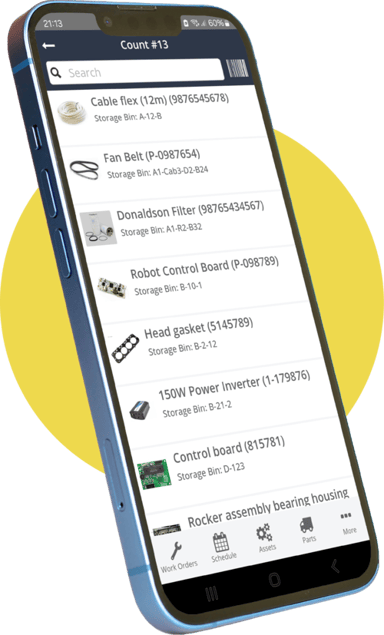
- Real-Time Tracking: Use mobile apps for updates.
- KPIs Monitoring: Measure completion rates and downtime.
- Integration: Link with inventory and analytics.
Tools and Software for Work Orders
In 2025, CMMS platforms will lead work order management. Top options include:
- Zoidii: Mobile-first, excels in ease of use and standardization.
- Limble CMMS: Robust for predictive features and user-friendly.
- Fiix: AI-powered, strong in preventive maintenance.
- UpKeep: Comprehensive for small businesses, with asset tracking.
- eMaint: Enterprise-level, integrates well with ERP.
Benefits of Effective Work Order Management
Key benefits:
- Cost Reduction: Up to 20% savings on materials and downtime.
- Increased Productivity: Streamlined workflows free up resources.
- Asset Longevity: Proactive maintenance extends life.
- Compliance and Safety: Audit trails ensure adherence.
- Data Insights: Analytics for trend prediction.
Final Thoughts
As we navigate 2025, work orders are pivotal for efficient operations. You can make maintenance a strategic asset by understanding its types, components, and lifecycle. Use best practices and the best software. Start with a CMMS implementation and scale progressively for sustained growth and profitability.