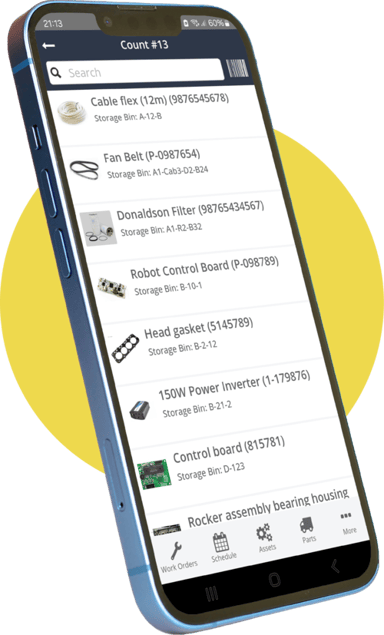
Maintenance teams are constantly looking for ways to improve their productivity and efficiency. One practice that significantly improves their efficiency is parts kitting and staging.
Understanding and implementing practical parts kitting and staging can increase wrench time substantially.
This article explains parts kitting and staging, outlines best practices, and shows how a Computerized Maintenance Management System (CMMS) can help manage these processes.
What is Parts Kitting and Staging?
Parts kitting refers to gathering all necessary parts and materials for a specific maintenance job before the work begins. Instead of sourcing parts during or right before the task, a maintenance team member (usually a planner or supervisor) assembles a "kit" of everything needed in advance.
This kit might include parts, tools, and consumable materials like lubricants or cleaning supplies.
Staging is placing the assembled kit in a convenient location near the job site, ensuring that everything is ready for use when maintenance work starts. This prevents technicians from searching for or waiting for parts, allowing them to focus entirely on the task at hand.
Parts kitting and staging ensure that maintenance work can be completed with fewer delays, reducing the time equipment is out of service and improving overall efficiency.
Best Practices for Parts Kitting and Staging
Here are some best practices to follow for parts kitting and staging:
1. Plan in Advance
Effective parts kitting requires planning. Maintenance planners or managers should review work orders, understand the scope of the job, and identify all necessary parts and tools. This preparation reduces the likelihood of missing items during the work order.2. Use a Bill of Materials (BOM)
A bill of material (BOM) lists parts and tools required to complete a maintenance task. Maintenance teams use a BOM to ensure that nothing is overlooked. This list should be checked against inventory to ensure all items are available before assigning the work order.3. Designate Staging Areas
Establish specific staging areas for parts in the storeroom and near the job site. These designated areas help prevent confusion and ensure all parts are ready and available when needed.4. Optimize Inventory Management
Effective inventory management ensures that the parts needed for kitting are readily available. Track inventory levels and reorder parts before they run low. Avoid overstocking to reduce waste or excessive carrying costs.5. Coordinate with Maintenance Scheduling
Align parts kitting with maintenance scheduling. This ensures the kit is assembled and staged in time for scheduled maintenance tasks, avoiding delays.6. Standardize Kits for Common Jobs
Create standardized kits for frequently performed maintenance tasks, including all the commonly used parts and tools. Standardized kits reduce the time spent gathering materials for each occurrence of the same task.7. Label and Organize Kits Properly
Label each kit with the work order number, included parts, and relevant instructions. This will help maintenance teams identify the right kit for the right work order, improving organization and efficiency.How CMMS Software Can Help
A Computerized Maintenance Management System (CMMS) is critical in streamlining the parts kitting and staging process. Here's how a CMMS can help:
1. Automated Work Orders with BOMs
A CMMS generates detailed work orders, including a Bill of Materials, specifying the parts required for each work order. This makes it easier to assemble kits and ensures that everything is included. Maintenance planners or managers can pull this information from the CMMS to create accurate kits.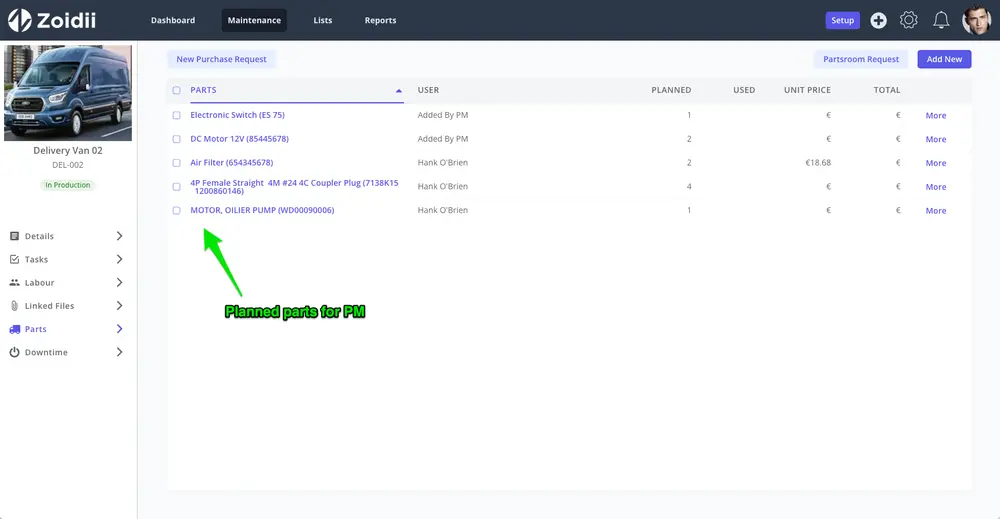
2. Inventory Management and Alerts
A CMMS tracks inventory levels in real time, ensuring that all parts required for kitting are available. The system can trigger automated alerts to reorder parts if parts reach low quantities. This prevents delays caused by stockouts.3. Scheduling and Coordination
A CMMS allows maintenance teams to schedule tasks and coordinate the kitting process. By tracking when maintenance is scheduled, the system ensures that parts are kitted and staged in advance, allowing technicians to start work immediately when the scheduled time arrives.4. Tracking Kit Usage and Efficiency
A CMMS tracks which kits are used, how frequently, and for which work orders. This data provides valuable insights into parts usage and can help identify opportunities for improvement. Managers can analyze the data to optimize the kitting process and adjust what parts are kitted in PM work orders.Improve Maintenance Efficiency with Parts Kitting
Parts kitting and staging are powerful practices that can drastically improve the efficiency of maintenance operations and technician wrench times.
Maintenance teams can reduce delays, minimize asset downtime, and complete tasks more efficiently by ensuring that all necessary parts and tools are ready and available before work begins.
Implementing these practices—especially with the help of a CMMS—can lead to better resource management, improved productivity, and a more streamlined maintenance process for maintenance and facilities managers.