What is Risk-Based Maintenance?
Maintenance is a critical pillar in industrial operations that ensures continuous and efficient performance. One proactive approach to maintenance that has gained significant traction in recent years is Risk-Based Maintenance (RBM).
Unlike traditional methods, RBM focuses on mitigating risks by prioritizing assets based on their failure consequences and the likelihood of those failures occurring. This proactive approach enables organizations to allocate resources more effectively, minimize downtime, and reduce maintenance costs.
This article will explore the fundamentals of RBM, its benefits, the steps to implement it, and how the Computerized Maintenance Management System (CMMS) can support its execution.
Understanding Risk-Based Maintenance (RBM)
Risk-Based Maintenance (RBM) is a strategic maintenance approach that focuses on identifying, assessing, and mitigating risks associated with equipment failures. RBM does not treat all equipment equally; instead, the company prioritizes the assets with the highest safety, operations, or profitability risk for maintenance efforts.
Risk, in this context, is typically defined as the combination of the probability of failure (how likely a piece of equipment is to fail) and the consequences of that failure (the impact on operations, safety, or costs). By assessing these two factors, maintenance teams can focus their resources on critical assets and ensure they deploy limited resources where they will have the most significant impact.
Risk-based maintenance contrasts with other maintenance strategies, such as reactive maintenance (fixing equipment after it fails) and preventive maintenance (maintaining equipment on a fixed schedule, regardless of its condition).
RBM is more aligned with predictive maintenance, which also seeks to optimize maintenance actions based on real-time data, but RBM places a greater emphasis on risk assessment and management.
Key Benefits of Risk-Based Maintenance
1. Improved Resource Allocation
One of the most significant benefits of RBM is the ability to allocate maintenance resources more effectively. By focusing on high-risk assets, maintenance managers can ensure that their teams address the most critical issues, reducing unnecessary work on low-risk equipment. This targeted approach can lead to lower labor costs, more efficient use of spare parts, and less unplanned downtime.2. Reduced Downtime and Increased Availability
Equipment failures that result in unplanned downtime are costly and disruptive. RBM helps prevent these failures by identifying assets at risk of breakdowns and scheduling appropriate maintenance actions. This proactive approach ensures critical machinery is more likely to stay operational, increasing overall equipment availability and production uptime.3. Enhanced Safety and Compliance
Safety-critical equipment failures can result in accidents or hazardous situations. By prioritizing the maintenance of high-risk assets, RBM helps to mitigate these risks, promoting a safer working environment. Additionally, RBM ensures compliance with industry regulations and standards, which often mandate the maintenance of certain equipment to specific safety requirements.4. Cost Savings
While preventive maintenance can sometimes lead to over-maintenance and wasted resources, RBM ensures technicians perform maintenance only when necessary. Organizations can reduce maintenance costs, prevent costly downtime, and optimize inventory management by avoiding unnecessary maintenance on low-risk equipment and focusing on high-risk areas.5. Data-Driven Decision Making
RBM encourages the use of data and analytics to drive maintenance decisions. This data-driven approach ensures that maintenance actions are based on solid evidence, leading to better overall decision-making. As a result, maintenance managers can justify their decisions to stakeholders and align maintenance strategies with broader organizational goals.Steps to Implement Risk-Based Maintenance
Implementing an RBM strategy requires a systematic approach. Below are the key steps to successfully implement RBM in your organization:
1. Asset Identification and Classification
The first step in RBM is identifying all the assets in your facility and classifying them based on their asset criticality. Critical assets are those that, if they fail, would significantly impact operations, safety, or costs.The company prioritizes these assets for further risk assessment. More critical assets may require more attention and more maintenance resources.
2. Perform Risk Assessment
Once assets have been identified and classified, the next step is to understand the risk associated with each asset. Risk assessment involves evaluating both the probability of failure and the impact and severity of that failure. Depending on data availability, the risk assessment process can be qualitative or quantitative. Common tools used in risk assessment include Failure Mode and Effects Analysis (FMEA), Fault Tree Analysis (FTA), and Root-Cause Analysis (RCA).3. Develop Maintenance Strategies
After the risk assessment, maintenance managers can develop strategies to mitigate the identified risks. These strategies include preventive maintenance, predictive maintenance, condition monitoring, or redesigning or replacing high-risk equipment. The goal is to reduce the risk of failure for critical assets while optimizing resources.4. Implementation
Once the team agrees on the appropriate maintenance strategies, they should implement them across the facility. This includes scheduling maintenance tasks, training personnel, and ensuring that necessary spare parts and tools are available. A CMMS can play a critical role in this phase by helping to organize and streamline maintenance activities.5. Monitor and Review
RBM is not a static process. It is essential to continuously monitor asset performance and review the effectiveness of maintenance strategies. As new data becomes available and operating conditions change, the risk assessment and maintenance plans should be updated accordingly. Regular reviews ensure that the RBM program remains effective over time.How a CMMS Can Support Risk-Based Maintenance
A Computerized Maintenance Management System (CMMS) is an invaluable tool for implementing and managing a Risk-Based Maintenance program. Here's how a CMMS can help:
1. Asset Management and Criticality Analysis
A CMMS provides a central database for all assets, making classifying and managing them easy. With built-in criticality analysis features, maintenance managers can rank assets based on their importance and risk factors, streamlining the process of identifying high-risk equipment.2. Data Collection and Analysis
A CMMS automatically collects and stores data on asset performance, work orders, and maintenance history. This data is crucial for conducting risk assessments and understanding failure trends. By analyzing historical data, maintenance teams can predict when equipment will likely fail and plan maintenance actions accordingly.3. Preventive and Predictive Maintenance Scheduling
With a CMMS, maintenance teams can create custom preventive and predictive maintenance schedules based on assets' risk profiles. For example, high-risk assets can be assigned more frequent inspections, while low-risk equipment can be maintained less often. The CMMS automatically schedules and triggers maintenance, reducing the chances of oversight.4. Work Order Management
A CMMS streamlines the work order process, making it easier to track maintenance tasks, assign them to the appropriate personnel, and ensure their timely completion. It also provides visibility into the status of ongoing work, enabling maintenance managers to ensure that technicians perform critical maintenance tasks on high-risk assets.5. Condition Monitoring and Real-Time Alerts
Many modern CMMS platforms integrate with sensors and condition-monitoring systems. These integrations allow maintenance teams to monitor equipment health in real-time. If the system detects signs of potential failure, it can trigger a work order or alert the maintenance team, allowing them to rectify the issue before it results in downtime.6. Inventory and Spare Parts Management
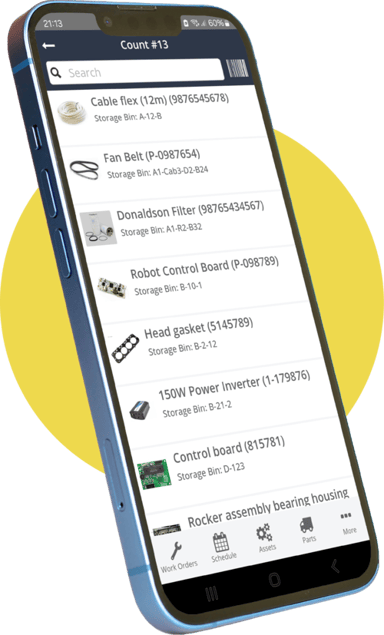
A CMMS helps manage spare parts inventory, ensuring critical spares are available when needed. For high-risk equipment, having the right parts on hand is essential to minimize downtime in the event of a failure. The CMMS can track inventory levels, alert the team when stock is low, and even automate the reordering process.7. Reporting and KPI Tracking
A CMMS provides detailed reports on asset performance, work orders, maintenance costs, etc. Maintenance managers can use these reports to track key performance indicators (KPIs) such as Mean Time Between Failures (MTBF), Mean Time To Repair (MTTR), and Overall Equipment Effectiveness (OEE). These metrics are essential for monitoring the RBM program's success and identifying areas for improvement.Maximise the Impact of Risk-Based Maintenance
Risk-based maintenance (RBM) is a powerful strategy for maintenance managers who want to optimize resources, reduce downtime, and improve safety. Organizations can allocate their maintenance efforts more effectively, focusing on the assets that pose the highest risk to operations.
Implementing RBM requires a thorough understanding of asset criticality, risk assessment, and tailored maintenance strategies.
A CMMS plays a vital role in supporting RBM by providing the tools needed for asset management, data analysis, maintenance scheduling, and real-time monitoring. With the right system in place, maintenance managers can streamline the implementation of RBM and ensure that their maintenance strategies are proactive and efficient.
RBM offers a structured, cost-effective, and sustainable way for maintenance teams to enhance operational reliability and safety while transitioning from reactive or preventive maintenance approaches.