In the digital age, businesses across various industries are leveraging technology to streamline operations, drive innovation, enhance efficiency, and reduce costs. Technology enables companies to stay competitive, improve productivity, and grow sustainably.
One powerful solution that has emerged in maintenance management is Software as a Service (SaaS) Computerized Maintenance Management Software (CMMS). But what exactly is SaaS CMMS, what does it offer, and how does it contribute to financial efficiency?
Let’s delve into these aspects to gain a deeper understanding of this transformative tool.
What is SaaS Computerized Maintenance Management Software (CMMS)?
A Computerized Maintenance Management System (CMMS) is a software application designed to manage and streamline organizational maintenance activities. It enables businesses to plan, track, and optimize maintenance tasks, ensuring that assets and equipment remain in peak working condition.
Software as a Service (SaaS) is a software solution hosted on Internet servers. Saas lets users store, manage, and process data without needing local infrastructure, offering flexibility, scalability, and remote accessibility. Examples include Gmail, Dropbox, and LinkedIn.
SaaS CMMS stands out for its internet-based accessibility, which is hosted by a third-party provider and typically accessed via a web browser or mobile app. This unique approach offers flexibility and convenience, making maintenance management tools accessible at any time and from anywhere.
Key Characteristics of SaaS CMMS:
- Cloud-Based Accessibility: The software and its data are stored in the cloud, offering real-time access.
- Subscription Model: Organizations pay for the service on a subscription basis, typically on a monthly or annual basis.
- Scalability: SaaS CMMS can grow with the organization, allowing businesses to add or remove storage or features as needed.
- Automatic Updates: Vendors manage system updates and security patches, reducing IT overhead.
- Lower Initial Costs: No expensive hardware or installation is required.
Core Modules of SaaS CMMS
SaaS CMMS solutions typically ship with modules tailored to specific maintenance management needs. These modules offer unique functionalities that, when combined, create a comprehensive maintenance management system.
The most common modules include work order management, asset management, preventive maintenance, inventory management, reporting and analytics, and mobile accessibility.
1. Work Order Management
The work order management module serves as the backbone of most SaaS CMMS systems. This module allows users to create, assign, track, and complete work orders efficiently. Technicians can receive updates, log their progress, and close work orders through a centralized system, ensuring seamless communication and accountability. Managers can also prioritize tasks, attach detailed instructions, and set deadlines, streamlining the workflow.2. Asset Management
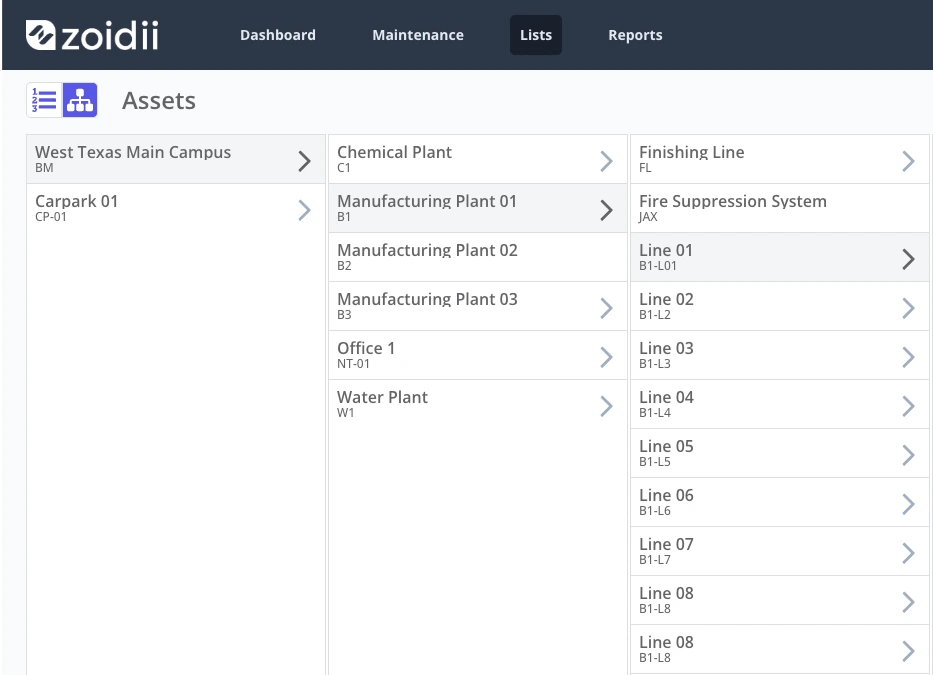
Another critical module is asset management, which helps organizations track and manage their physical assets, including machinery, vehicles, and infrastructure. This module stores detailed information about each asset, such as the purchase date, maintenance history, and replacement parts information.Users can analyze asset performance, identify recurring issues, and make data-driven decisions about repairs, such as replacing or upgrading equipment.
3. Preventive Maintenance
The preventive maintenance module is designed to reduce unplanned downtime by scheduling regular maintenance activities based on time intervals, usage metrics, or condition thresholds. This module sends automated alerts to notify teams of upcoming tasks, ensuring that maintenance is performed proactively.The result is improved equipment reliability and a reduction in costly emergency repairs.
4. Spare Parts Inventory
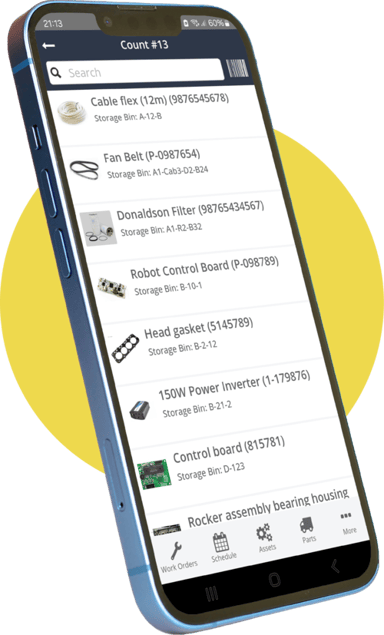
For organizations that need to track replacement parts, the inventory management module provides a centralized repository for tracking spare parts and supplies. It ensures that the correct parts are available when needed, preventing delays in repairs or maintenance tasks.This module can also integrate with procurement systems, automating reorder points and optimizing stock levels to avoid overstocking or shortages.
5. Reports, Dashboard and KPIs
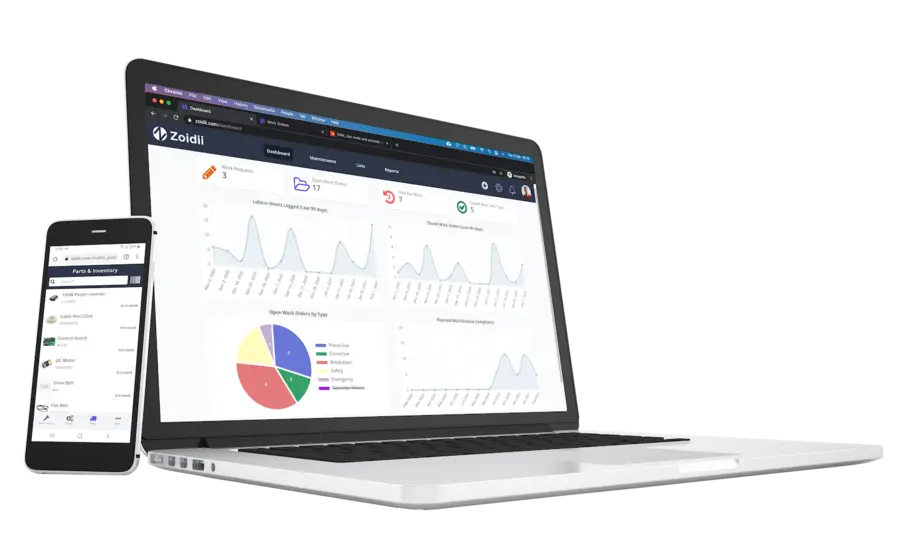
The reporting and analytics module delivers actionable insights by compiling data into intuitive dashboards and reports. Users can monitor key maintenance metrics, such as equipment downtime, work order completion rates, and maintenance costs.This information empowers organizations to identify inefficiencies, allocate resources effectively, and justify maintenance budgets with precise data.
6. Mobile CMMS
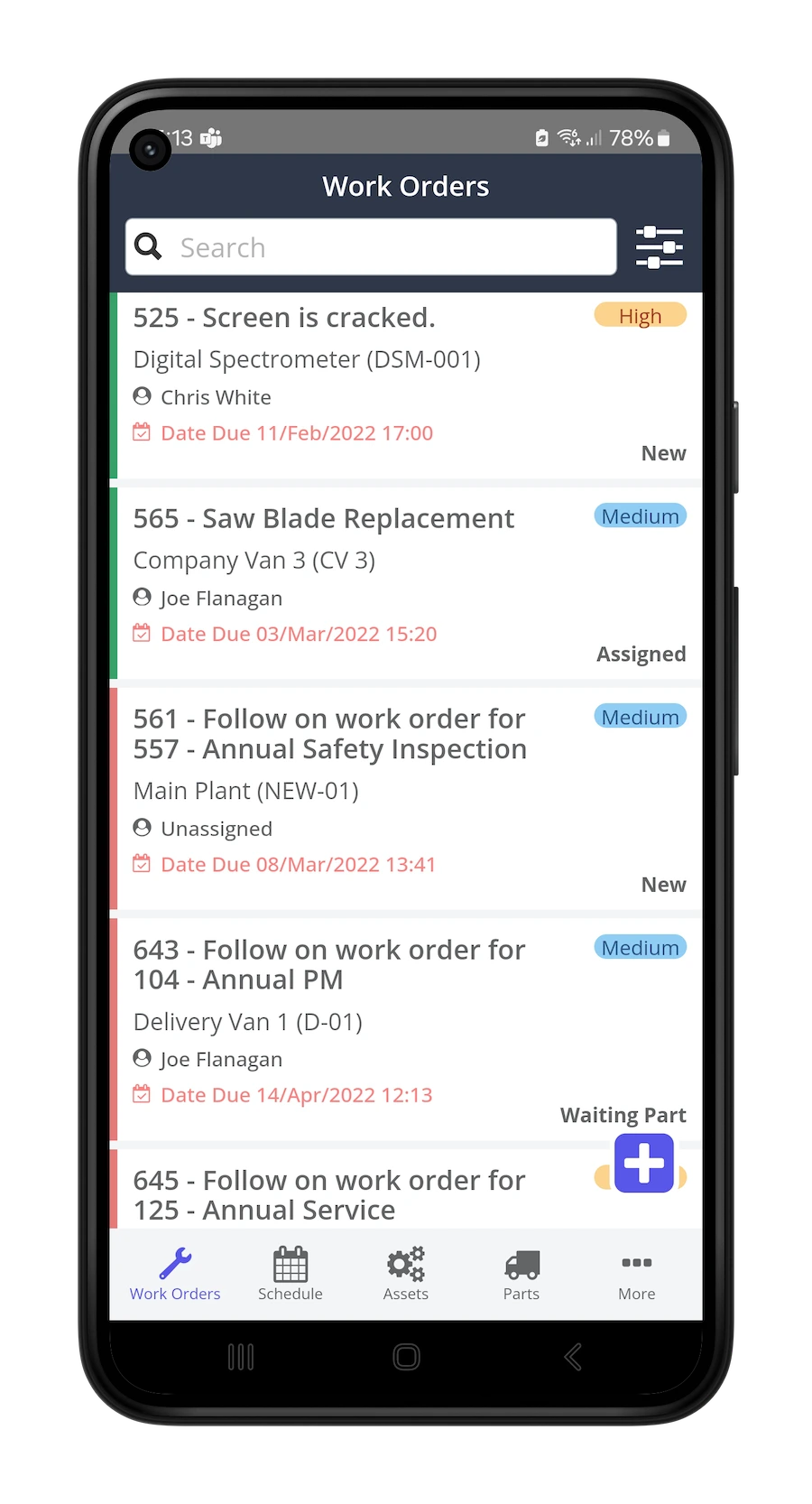
Finally, mobile accessibility is a standout feature of SaaS CMMS. The benefits of Mobile CMMS include improved productivity, increased efficiency, and greater accuracy.With mobile compatibility, technicians and managers can access the platform from smartphones or tablets, enabling real-time updates and communication.
This feature is handy for teams working across multiple locations or in the field, as it ensures that everyone remains connected and informed.
These modules can be customized or expanded to meet the organization’s specific needs, making SaaS CMMS a flexible solution for businesses of all sizes.
10 Financial Benefits of SaaS CMMS
One of the most compelling reasons organizations adopt SaaS CMMS is its ability to deliver substantial financial benefits. This includes lower initial investment, reduced IT costs, improved asset lifespan, increased operational efficiency, minimized downtime, optimized inventory costs, scalable pricing, enhanced compliance, and data-driven decision-making.
Let’s take a closer look at how these benefits impact the bottom line:
1. Lower Initial Investment
- Traditional CMMS solutions often require a significant upfront investment in hardware, software licenses, and installation. SaaS CMMS eliminates these costs by operating on a subscription model.
- Organizations can start using the system with minimal initial expense, freeing up capital for other priorities.
2. Reduced IT Costs
- SaaS CMMS providers handle hosting, updates, and security, reducing the need for in-house IT support.
- There’s no need for dedicated servers or hardware infrastructure maintenance.
- Automatic updates ensure the system remains current without incurring additional costs.
3. Improved Asset Lifespan
- Preventive maintenance schedules ensure equipment is serviced regularly, minimizing wear and tear.
- Timely repairs and proper care reduce the likelihood of costly emergency breakdowns and extend the useful life of assets.
- Better asset performance translates to lower replacement costs over time.
4. Increased Operational Efficiency
- Centralized work order management reduces delays and ensures technicians work on the most critical tasks.
- Mobile access minimizes downtime caused by miscommunication or lack of information in the field.
- Improved efficiency reduces labor hours, allowing maintenance leaders to utilize resources more effectively.
5. Minimized Downtime
- Unplanned downtime can have a significant financial impact on a business due to lost productivity and missed end-customer commitments.
- SaaS CMMS tools, such as predictive maintenance and real-time alerts, help organizations address issues before they escalate.
- Faster response times ensure operations return to normal as quickly as possible.
6. Inventory Cost Optimization
- Inventory management modules prevent overstocking, which ties up capital in unused parts.
- Avoiding stockouts ensures critical repairs are not delayed, reducing downtime-related losses.
- Automated reordering minimizes the need for manual inventory checks, saving labor costs.
7. Scalable Pricing
- SaaS CMMS solutions are designed to grow with the organization. Businesses can start small and add features/users as needed, paying only for what they use.
- This scalability ensures cost-effectiveness, particularly for small and medium-sized enterprises.
8. Enhanced Compliance
- Many industries face strict regulatory requirements regarding maintenance and safety.
- SaaS CMMS tools help organizations maintain detailed records of maintenance activities, ensuring compliance, and can help breeze through audits.
- Avoiding penalties for non-compliance saves costs and protects the organization’s reputation.
9. Data-Driven Decision Making
- Analytics and reporting modules provide insights into maintenance costs, asset performance, and technician efficiency.
- Identifying inefficiencies allows organizations to allocate resources more effectively and reduce waste.
- Data-driven strategies lead to better long-term financial planning.
10. Faster ROI
- SaaS CMMS delivers immediate efficiency and cost savings benefits, resulting in a quicker return on investment.
- Organizations begin to see value from the system as soon as it is implemented, with minimal disruption to ongoing operations.
Maximise Efficiency with Saas CMMS
SaaS CMMS is more than just a maintenance management tool; it is a strategic asset for organizations aiming to optimize operations, enhance productivity, and reduce costs. Its cloud-based delivery model makes it accessible, scalable, and cost-effective, while its robust modules address every aspect of maintenance management.
The financial benefits of SaaS CMMS, ranging from reduced upfront investment to improved asset performance and data-driven insights, make it an essential solution for businesses seeking long-term success.
By adopting SaaS CMMS, organizations can ensure that their maintenance operations are efficient and aligned with their broader financial and operational goals. As manufacturing industries continue to evolve, the role of SaaS CMMS in driving innovation and profitability will only grow stronger.