
The 5 Whys approach is an effective method developed by the Japanese car manufacturer Toyota over half a century ago, with its conceptual roots often traced back to Sakichi Toyoda and later heavily promoted by Taiichi Ohno as part of the Toyota Production System. It was made famous after being used in the Toyota Production System (TPS). Now used in modern problem-solving systems such as lean manufacturing principles and Six Sigma, the technique employs a systematic method to identify the root causes of problems through the cycle of iterative questioning.
What is the 5 Whys Technique?
The 5 Whys approach is a simple and effective problem-solving tool, a form of root cause analysis (RCA), that can help identify a problem's root cause. Technical problems and process failures lead to maintenance issues, so for effectively troubleshooting equipment issues, this approach can help identify a cause-and-effect failure path.
The approach requires that a person or a team ask a series of "why" questions about a problem to understand its nature better and identify the leading cause or causes. This technique is often used in conjunction with other problem-solving methods, such as the PDCA cycle, to ensure that the root cause of the problem is identified and addressed.
How the 5 Whys Technique Works
Based on the idea that most problems can be solved by asking "why" five times, the 5 Whys method asks successively more profound questions about the problem, which helps identify its root cause. The questions aim to discover the underlying reasons for the problem, with each question and its answers progressively forming a chain of causation. The 5 Whys technique can help in various situations, from personal problem-solving to business process improvement.
Applying the 5 Whys to Find Root Causes
When applying the 5 Whys process, start with a clear problem statement. Then, ask the first 'Why?' question. This question should seek to identify the likely causes of the issue.
Once you identify a probable cause, ask a second 'Why?' question based on the answer to the first. Continue this process, resubmitting queries in a 'Why-What-If' manner with each successive step.
As the questions become increasingly close to the source of the problem, you will gain a deeper understanding, leading to resolutions that are much quicker and efficient than when using an alternative tactic.
Step-by-Step Example of the 5 Whys
For example, the company missed a big product order as some equipment broke down. Let's determine the root cause so we can address the underlying issue. So we start by asking why:
1. Why did the equipment fail?
- Because it overheated
- Because the cooling fan failed
- Because we missed the fan PM
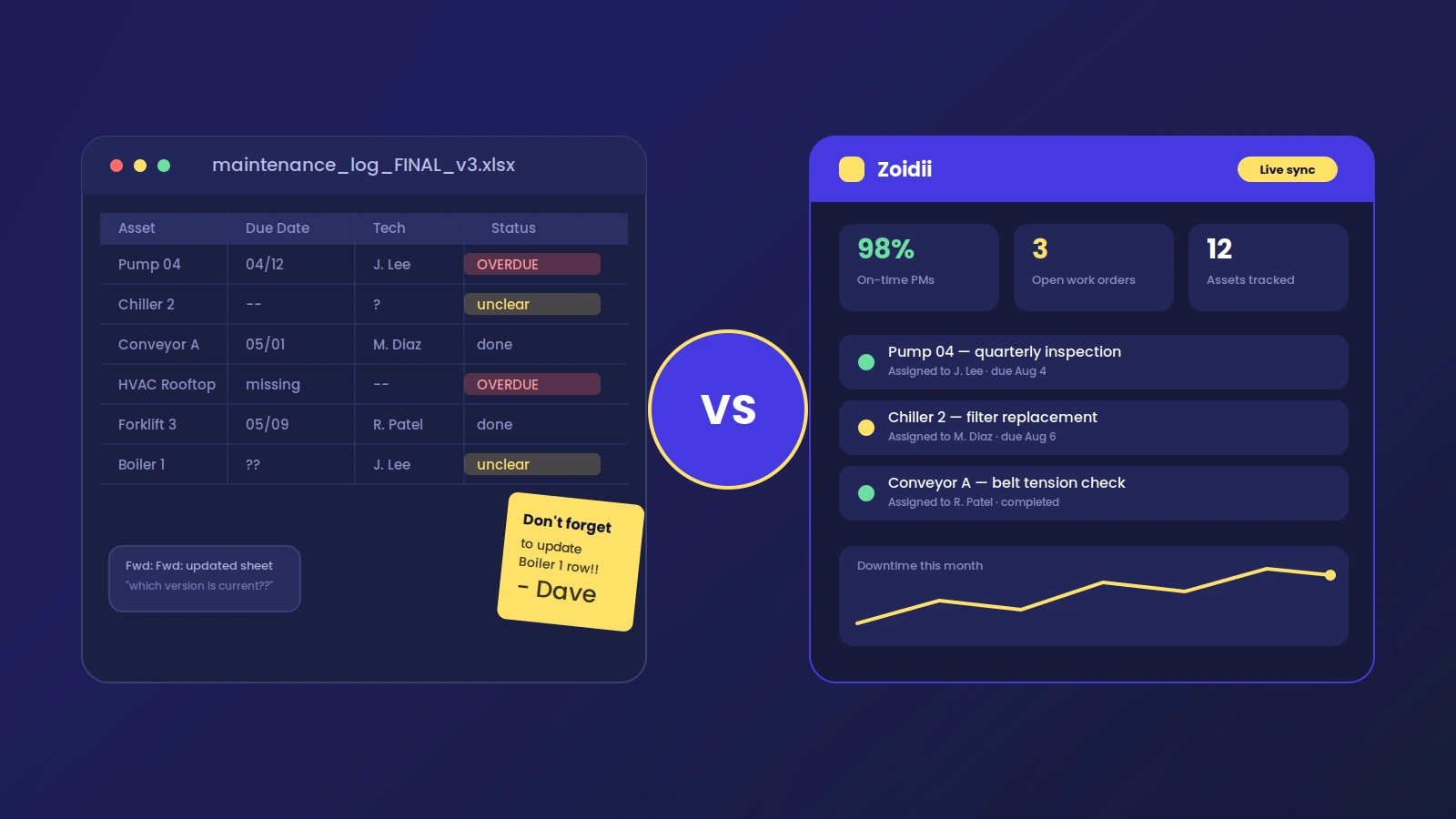
- Because we use a paper tracking system, the planned service fell through the cracks.
- Because our maintenance guy is not great with computers
Addressing Systemic Issues, Not Just Symptoms
Be cautious not to focus solely on the lowest-level root cause, as effective preventive measures must address systemic issues. If you do, you could expose your organization to similar process breakdowns again.
A string of failures usually contributes to the most significant issues, so invest in the "Why" hierarchy at each level.
Over time, continuous incremental investments and improvements at all levels compound, improving the productivity of our maintenance personnel and freeing up time previously lost in firefighting breakdowns.
Benefits of Using the 5 Whys Method
The 5 Whys method stands out for its simplicity and effectiveness in uncovering the true cause of recurring issues. Below are some of the core benefits this technique brings to maintenance teams and organizations:
- Pinpoints root causes instead of just treating symptoms, leading to more permanent solutions.
- Encourages teams to think critically and analytically when solving problems.
- Promotes a culture of continuous improvement, aligning with best-practice philosophies like Kaizen.
- Helps teams quickly identify practical solutions and highlight opportunities for further improvement.
- Strengthens problem-solving skills and boosts confidence across all levels of the organization.
Comparing the 5 Whys With Other Methods
The main difference between the 5 Whys and other problem-solving methods is that while other techniques often focus primarily on the problem and potential solutions, the 5 Whys method looks to uncover underlying causes.
This method begins with an initial query regarding the issue in question and then continues by asking more profound questions that successively reveal more information about it. This cycle of iterative questioning helps uncover the root causes of problems.
How Iterative Questioning Uncovers Root Causes
The 5 Whys technique is an excellent tool for teams to use when identifying a problem's root cause. It encourages teams to think critically and helps them identify potential solutions they may have missed.
Common Pitfalls When Using the 5 Whys
When using the 5 Whys technique, it is essential to avoid asking questions that have a one-word answer or would not uncover anything new about understanding the source of the problem.
The goal is to distinguish between symptoms and causes, moving beyond mere contributing factors to find the true root. Asking relevant questions will save time with irrelevant exploration and allow for deeper and more meaningful analysis to uncover underlying causes.
Framing Questions to Reveal Useful Insights
It is also important to avoid asking too broad or too specific questions. Frame questions so that they are not too general or specific so that they can provide valuable insights into the root cause of the problem.
Continuing Beyond Human Error to Systemic Issues
It is essential to ensure that the questions are relevant to the problem and not leading questions that could bias the analysis. When instances of human error are identified, the questioning should continue to understand why the error occurred, often revealing systemic issues.
Making the Most of the 5 Whys Technique
Applying the 5 Whys method is straightforward, but maximizing its value requires discipline and adherence to a few best practices. Below are the key steps to follow for an effective root cause analysis using the 5 Whys.
Focus on Identifying the Root Cause
When using the 5 Whys, the primary goal is to dig deeper than surface-level symptoms and uncover the underlying cause of the problem. Asking open-ended questions helps the team explore every angle and ensures corrective actions are targeted and effective.
Guide the Team with a Skilled Facilitator
A skilled coordinator can help a diverse team work through each “why” while reminding everyone to focus on processes, not people. This keeps the discussion constructive and makes it easier to address issues without assigning blame.
Base Conclusions on Evidence and Direct Observation
Avoid jumping to conclusions or making assumptions. Instead, gather evidence and data to support your findings. Whenever possible, observe the problem directly. This approach, often called go and see (Genchi Genbutsu), ensures the team works with facts.
Document the Process for Clarity and Reference
Keep a clear record of your analysis by documenting each step, ideally with a 5 Whys worksheet or similar template. This provides transparency, helps others understand your reasoning, and serves as a useful reference for future problem-solving.
Use 5 Whys for Both Simple and Complex Issues
The 5 Whys is easy to use and doesn’t require complex statistical analysis, making it ideal for quick fixes on simple problems. For more complex challenges, it serves as a valuable starting point, preventing teams from applying short-term “Band-Aid” solutions.
Leverage the 5 Hows for Actionable Solutions
Once you’ve identified the root cause, try a complementary approach called the 5 Hows. This technique involves repeatedly asking “How?” to break down the steps needed for effective solutions, ensuring corrective actions are practical and thoroughly planned.
Limitations of the 5 Whys Problem-Solving Technique
While highly effective for many situations, it's important to be aware of some limitations of this method. Common challenges with 5 Whys include the potential for the process to stop at a basic analysis if not pursued diligently, or the risk of personal bias influencing the direction of questioning.
For highly complex or multifaceted problems, it might be necessary to use it in conjunction with other analytical tools. Despite these points, it offers a simple problem-solving approach that aids you in determining long-term corrective actions when applied thoughtfully.
Another great troubleshooting technique is the Ishikawa diagram, also known as Fishbone diagrams.
Putting the 5 Whys into Action with Zoidii
Mastering the 5 Whys is about creating a culture where problems are solved at the source, not just patched up. When your team has the right tools to capture, track, and review root cause investigations, continuous improvement becomes part of everyday maintenance.
Zoidii makes it easy to document your 5 Whys analysis, assign follow-up actions, and monitor progress right from your CMMS dashboard. Whether you’re troubleshooting a single failure or driving long-term process improvements, our platform gives you the visibility and structure you need to keep moving forward.
If you’re ready to combine proven problem-solving techniques with a smarter, more intuitive maintenance management system, explore our CMMS software and dashboard solutions.
See how Zoidii helps maintenance teams of every size go beyond quick fixes and build reliability into every shift.