
The world is changing and moving faster than ever. The challenges associated with COVID-19 forced many businesses to innovate or change the way they operate. Today, to complicate things further, rising inflation, cost of living pressures, labor shortages, and the war in Ukraine mean businesses face many new challenges in 2023. Maintenance leaders need to prepare for the challenges ahead and do their part to overcome them. Rather than be downbeat, maintenance leaders should see this as an opportunity for change. Great adversity can bring significant innovation and change. Here are the five challenges every maintenance manager should prepare for in 2023:
1. The fight for talent & resources
The battle for talent has been intensifying for years. Even with the talk of recessions and slowdowns, companies across all industries are struggling to find skilled people to fill roles. Unemployment levels globally are at historical lows. To make matters worse, many employees have been re-evaluating their career paths since the pandemic. Today, good maintenance & reliability resources are impossible to find. The average employee turnover will hit 30% in 2023 as employees move for better working conditions or new careers. When an employee leaves, replacing them costs about 33% of their annual salary. Therefore, it's more cost-effective to retain existing employees.
Nobody wants to board a sinking ship. Companies with happy employees and low turnover are more successful at attracting new talent. Monitor Glassdoor to see how employees and new hires view your organization. Maintenance leaders must invest in their people through training and upskilling, improve morale by creating a positive workplace culture, examine the work-life balance, and ensure competitive employee compensation packages. Companies that invest in their employee's growth are more successful at attracting or retaining talent.
People don't leave companies; they leave bad bosses, so companies must ensure their leaders have excellent leadership skills and give the team purpose. Maintenance leaders must create trust, inspire, engage, appreciate, and lead their team from the front. See our ten effective strategies to minimize technician turnover blog for more ideas to retain existing employees.
2. Automating Mundane Processes
Following on from point #1, labor shortages mean maintenance organizations have to do more with less. Maintenance leaders must look at automation and digitization to get more from existing resources when there are more job opportunities than people to fill them. "Getting more' doesn't mean having the team work harder; instead, it means implementing changes and streamlining the maintenance process so they can work on higher-priority tasks.
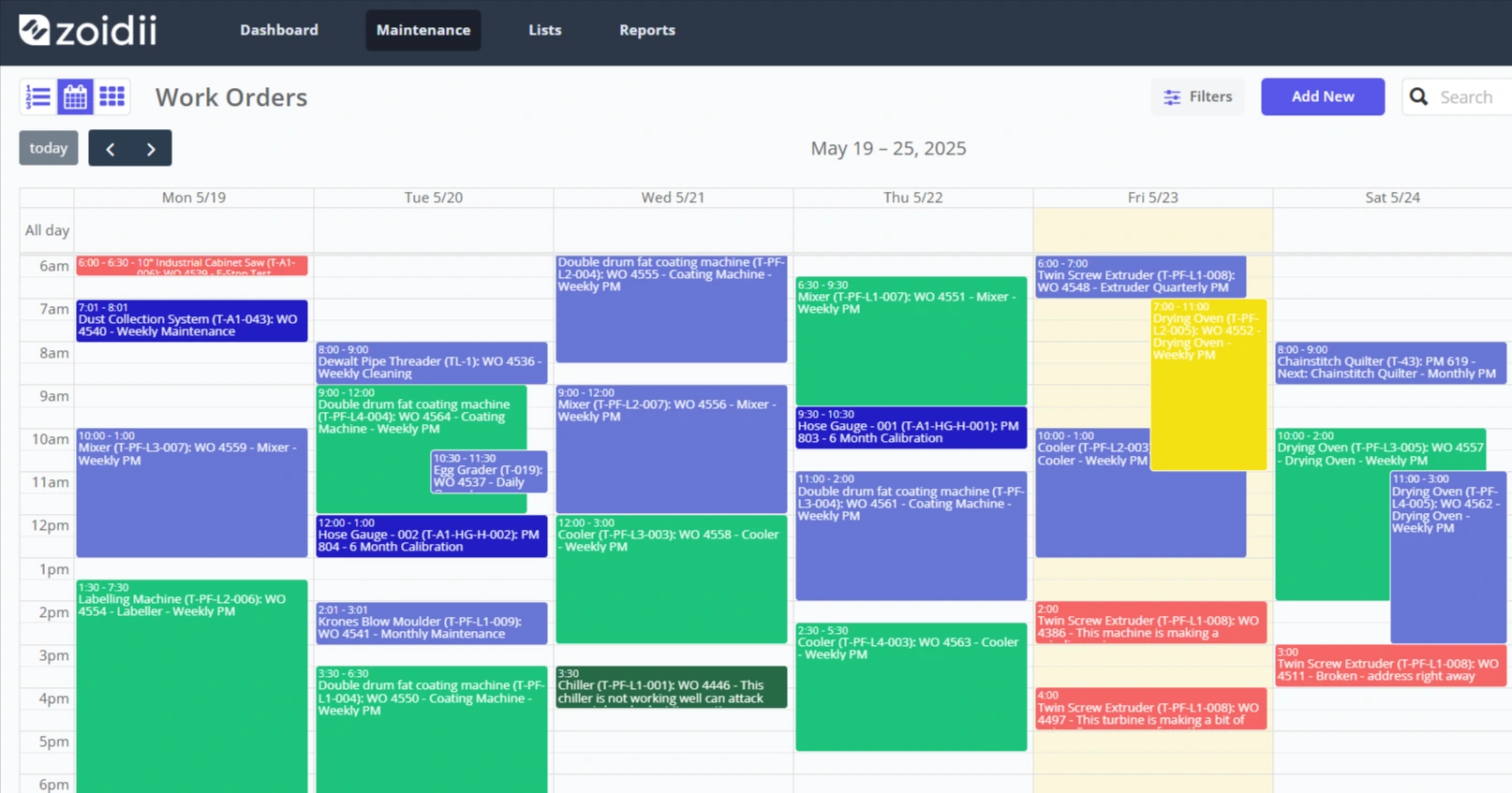
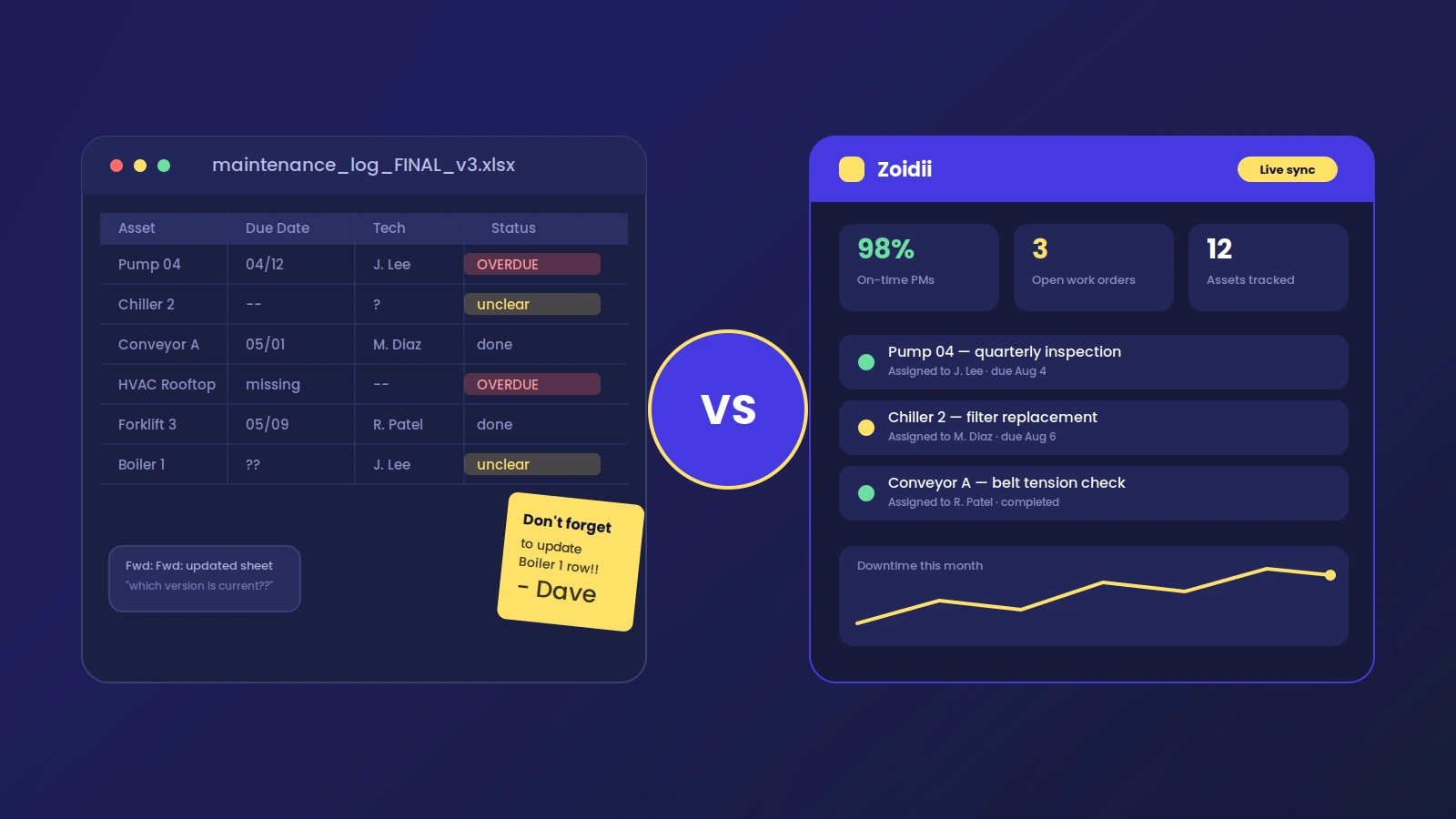
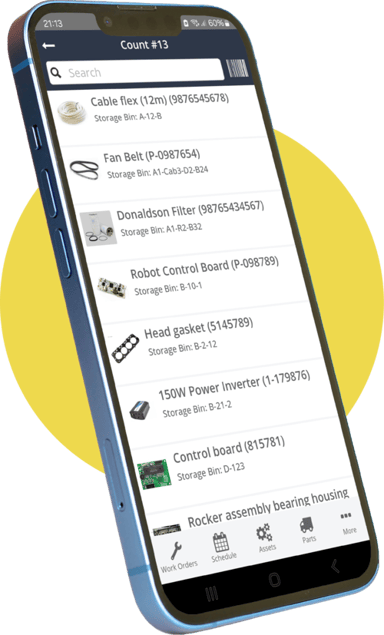
One great way to boost technician productivity is to employ CMMS software like Zoidii. CMMS software can automate many manual processes, such as scheduling and triggering PMs or depleting stock levels in parts stores. According to David Berger of Plant Services, implementing CMMS software can increase productivity by 30%. Technicians save time accessing work orders in real-time in their mobile CMMS, searching asset histories, inputting repair steps and labor hours, searching parts, scanning QR codes, and following standardized maintenance checklists.
3. Keeping up with industry trends
We've all heard the latest tech buzzwords - artificial intelligence, augmented reality, cloud, SaaS, and the IoT (Internet of Things), to name but a few. The fact is digital technologies are advancing at an incredible pace. New systems, tools, and processes are always emerging and making their way onto the factory floor. Most maintenance folks are excellent mechanically but often struggle with technology. Hence, they tend to resist change.
If you are not open and prepared for change, change may be forced upon you when you least expect it. Be open to the latest technologies that can help make the process more efficient, make the team more productive, or positively impact the business. The right tools and technologies could automate mundane tasks, help empower employees to do their jobs better or provide data to help improve decision-making. If not, you will become extinct.
4. Increasing focus on sustainability
Climate change is having a significant impact on the planet. Consumers are becoming more and more environmentally conscious, switching to more eco-friendly solutions. For example, in 2022, year-on-year sales of electric vehicles increased by 81% in Ireland and 65% in the USA. To make matters worse, the Russian war in Ukraine has dramatically impacted energy costs. In addition, following point #1 above, the younger generations want to work in sustainable companies. Those organizations showing little regard for the environment will find it harder to attract talent.
There are limitations to what a maintenance organization can do to become more environmentally conscious. Forward-thinking maintenance leaders can respond by auditing your supply chains, systems and processes, and energy providers, potentially moving to more sustainable options. In a previous article, I outlined seven ways CMMS software can make the business more sustainable. Becoming more sustainable to meet the needs of consumers and employees can also help you find efficiencies and savings that can positively impact your bottom line.
5. Accelerating digital transformation
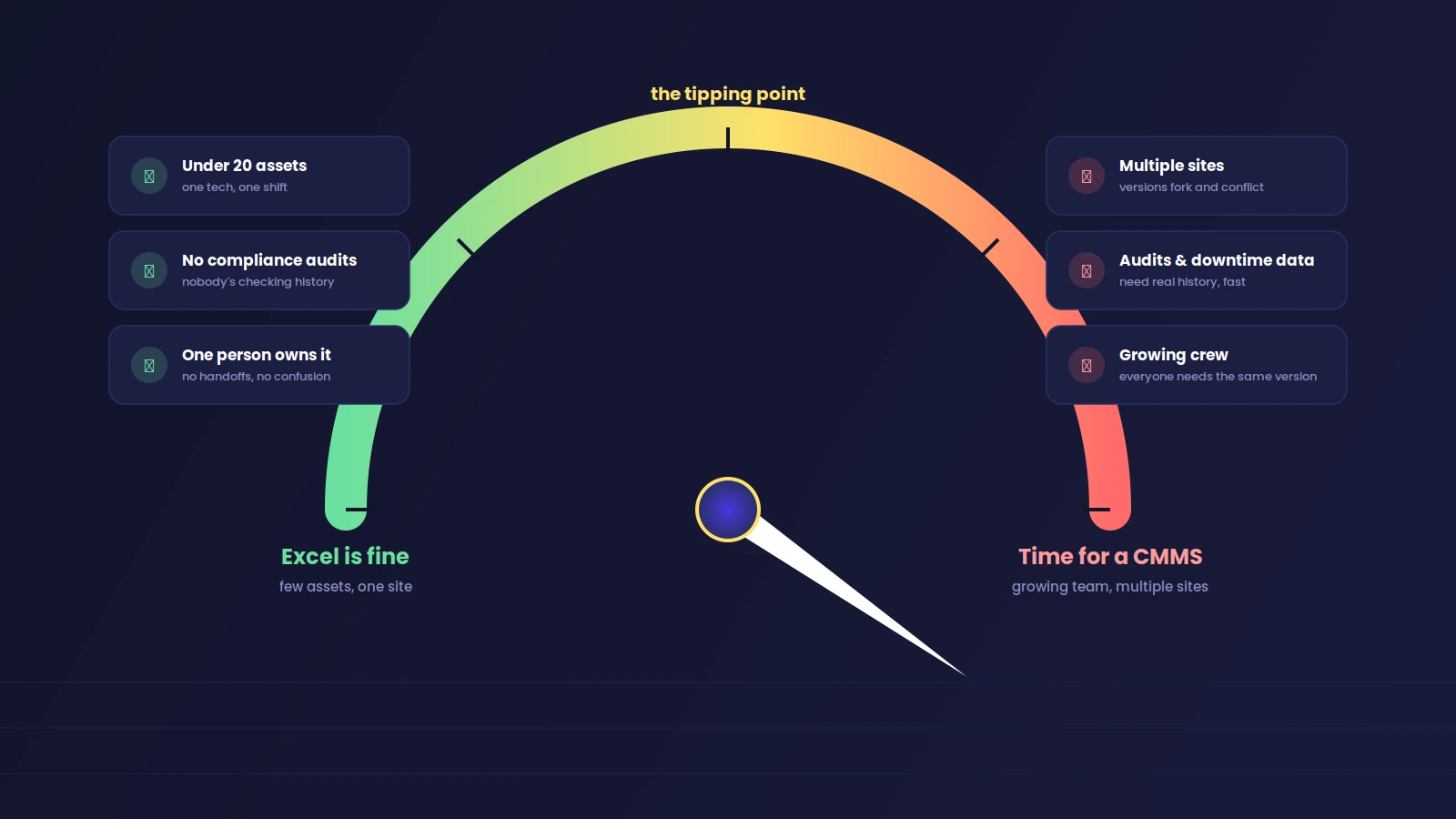
It's very easy to get stuck on outdated CMMS software. It takes time to pick new CMMS software, implement it, train the team, and migrate the data. As a result, many manufacturing organizations use CMMS software developed 10-20 years ago and is no longer supported. The software works okay and meets many requirements, but it's just a matter of time before it becomes a challenge for several reasons:
- Introducing new hardware, such as the latest laptops and desktops, may render the software unusable. Keeping the CMMS software running on an old Windows 2008 server in the corner of the plant adds further frustration and inefficiencies.
- The younger generations want to use the latest technologies. They all have the coolest new toys, such as cell phones, gaming consoles, drones, and tablets. Introducing new hires to old CMMS software gives a bad perception of you and the business.
- Legacy systems are often unstable because they are no longer supported and do not benefit from vendor updates, which fix bugs and stability issues. It may be a matter of time before the software fails entirely.
- Today, business leaders are asking maintenance folks for data to back up big decisions. Legacy software doesn't offer the big data or powerful insights that modern CMMS software does to support business decisions.
Simply surviving is no longer an option in today's turbulent environment. Maintenance leaders must proactively adapt and modernize. Many great organizations and new ideas were born out of difficult times. Adversity can bring positive change and new initiatives. See 2023 as an opportunity for positive change.