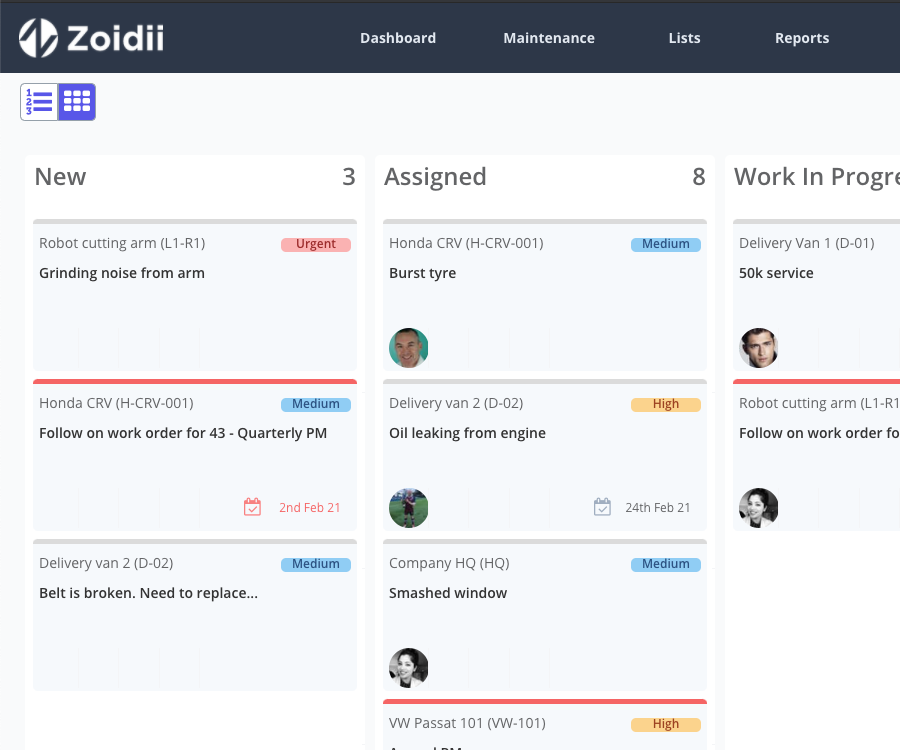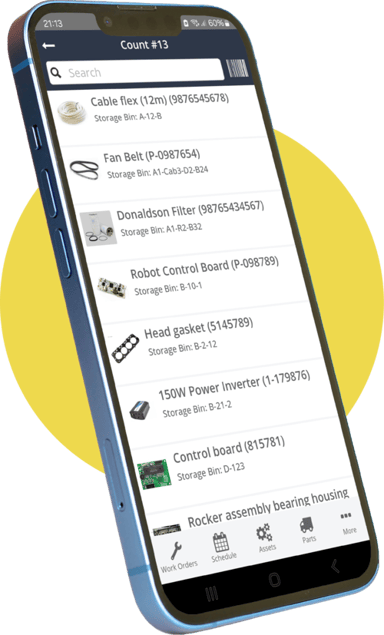

Undoubtedly, CMMS software can help a business reduce emergency breakdowns, extend asset life, increase knowledge sharing, and reduce maintenance costs.
Unfortunately, CMMS software has a horrible reputation regarding end-user engagement and implementation success rates. It's difficult to get folk who are used to working with their hands excited about using a system on a computer.
To ensure your CMMS investment isn’t a disaster, use these tips to increase CMMS engagement and adoption:
Tips to Drive CMMS Adoption
1. Outline the business case and sell it
If you want your technicians and managers to use the CMMS, then you should explain why they should use it.Outline the expected productivity gains, time savings, cost savings, elimination of paperwork and associated duplication of work, automation of preventive maintenance activities, standardization of work processes, reduction in safety incidents, improved customer interactions, extended asset life, and lower environmental impact.
The CMMS could also be used to win new business, thereby providing them with better job security. The maintenance team will be more likely to use the CMMS when they understand the business case.
2. Highlight what’s in it for them
Like many things in life, people are reluctant to change unless they can see “what’s in it for me?”. Rather than saying this is company policy, demonstrate how the CMMS will make their lives easier.The team is more likely to respond positively if they can see the personal benefits of using the CMMS. We outlined nine personal benefits in our CMMS: What’s in it for me? Blogpost.
3. Include the end-user in the selection process
Never spring a new CMMS system on employees without proper training and preparation. Employees may be content with the status quo and become anxious about change. Instead, help them understand that they need a solution to track their maintenance.Ask questions like “What would you recommend we do to better manage our PMs?” or “What do best-in-class maintenance orgs use to manage their PMs?”. When the team agrees that a new system is needed, involve them in the selection process.
Let them attend demos or pilot preferred systems so they have a say in what CMMS system they will be using. They are more likely to use the system they helped pick.
4. Keep it simple stupid
Many organizations get overexcited with their list of key requirements and end up having to choose the most complicated and overpriced applications to satisfy their needs. I do not doubt that this is the reason for the industry’s dismal CMMS implementation success rates.Don’t bite off more than you can chew. Always keep it simple stupid. Prioritize basic functionality, such as work orders, PMs, parts, and checklists. CMMS applications that take months to implement and weeks to train on will struggle with user adoption.
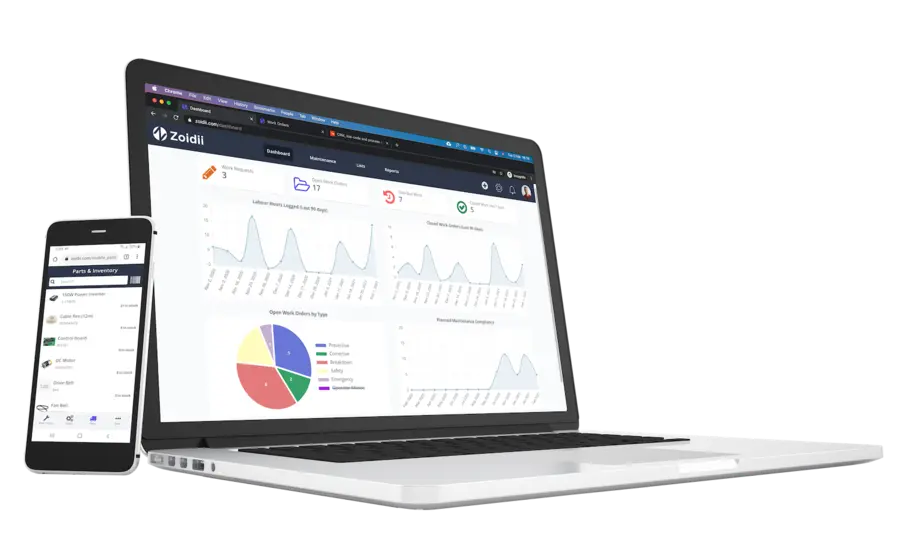
Ensure that you balance the feature requirements with the team’s requirements. Features and functions are essential, but ease of use is critical. If the organization is new to CMMS, select a CMMS that is intuitive and easy to use.
5. Ensure all users get fully trained
Training is the most important investment when it comes to implementing new software. If end-users are not properly trained, they will not use it. Investing in training also demonstrates the organization’s commitment to the new system.In this industry, it is not uncommon for supervisors to decide how much training the team needs - “All they need to do is work orders, so 45 minutes of training should do it”. That never works!
Ask the vendor what they recommend regarding training. Some end users will be more tech-savvy than others, so ask the team what type of training they need - classroom-based, on-the-job training, or dedicated one on one. I would recommend training that involves all three. Start with classroom training and some dedicated 1:1 on-the-job training as they complete their work.
Humans remember 70% at the end of the day, and 30% at the end of the week, so training should always be just in time. Ensure the end users are trained on the CMMS application right before go-live.
6. Focus on the early adopters
Early adopters are those who adopt new technology or products before the general population. Don’t try to get everyone on board out of the gate. Focus on getting those early adopters on board quickly so they can influence and help the other end users.I have personally seen it many times where a CMMS student shows no interest in the classroom, but becomes very interested in the system when early adopters start using it.
The less interested individuals will observe the CMMS champions deriving value from the system and will soon adopt their behavior. Most early adopters will end up giving their coworkers on-the-job training and coaching on the CMMS.
7. Make it part of the daily routine quickly
Once the CMMS goes live, encourage users to incorporate the new system and processes into their daily routines.For example, in one facility I implemented, the maintenance supervisor refused any new work requests from the factory floor unless a guest request ticket was submitted into the CMMS. His line was, “The issue doesn’t exist until it's logged into the CMMS.”
Very soon, everyone in the facility, from operators to office administrators, was using the system to log requests, ensuring that nothing fell through the cracks. It was a great way to institutionalize the usage of the CMMS system in the organization.
8. Set a good example
Remember, employees mirror the behavior of their managers and supervisors. If you’re taking long breaks, then they will too. You cannot expect the maintenance team to utilize the CMMS if the managers and leadership team never log in to it.Leaders must engage with the CMMS and model the behavior they expect from the team.
9. Celebrate small wins
As technicians increasingly use the CMMS, highlight those wins during daily standups. Remember, success drives further success. “We would have missed that issue had it not been logged in the system”, or “The decision to replace rather than repair that asset was easy as all the data was in the system”. The team will quickly see the positive impact of the new system on the organization.10. Incentivise usage
There are several ways of incentivizing usage. The first is a reward system, such as a “CMMS champion” trophy or an additional day off for the employee who uses the system to its full potential. The second is by making it difficult not to use the system.Start tracking data and metrics that could only be pulled from the CMMS, such as Planned Maintenance Percentage. Thirdly, include better utilization of the CMMS in growth plans and coaching sessions.
11. Solicit regular feedback
Check in with employees regularly to assess the progress of the CMMS, both during the initial rollout and during regular operation. Ask the team what is working, what is not working, what could be improved, etc. That way, you can get ahead of any drop-off in engagement.12. Tie usage to compensation
I once consulted with a ferry company that didn’t use its CMMS and missed some preventive maintenance (PMs). One day, as the ferry approached the port, it drove directly into the dock. The reverse thrusters failed as the fuel filters were clogged. The ferry company was faced with numerous insurance claims that impacted its reputation and financial performance.If the maintenance team still cannot see the value in the system, there may come a point when not using a CMMS impacts the bottom line; therefore, tie CMMS usage to compensation. Make using the CMMS part of the job.
The Bottom Line on CMMS End-User Engagement
Implementing a CMMS application is a complete waste of time if your end users won’t use it. Remember, garbage in equals garbage out. The CMMS is only as good as the data that is inputted and tracked in it. Ensure the investment is well spent by increasing end-user engagement.
The more they use it, the more the CMMS system becomes institutionalized within the organization, and the more value the organization will derive from it.
Feel free to contact us if you require additional guidance on enhancing CMMS end-user engagement.