
For Maintenance Managers, keeping operations running smoothly often feels like a juggling act—balancing tight budgets, aging assets, safety demands, and rising expectations from upper management.
As maintenance becomes more central to organizational performance, many managers are finding that their current budgets aren’t enough to meet growing operational needs.
Getting approval for a bigger maintenance budget, however, is rarely straightforward. Executives and finance teams want complex numbers, clear ROI, and proof that additional investment will drive real value.
This is where strategy, data, and the right tools—especially a CMMS, a software that helps manage maintenance operations and provides crucial data—can make all the difference.
This article outlines a step-by-step approach to help maintenance managers successfully advocate for a larger budget and how using a CMMS can strengthen the argument with facts rather than just feelings.
1. Understand the Real Reasons Budgets Get Rejected
Before preparing your pitch, it’s essential to understand why budget increases often get denied. Common reasons include:
- Lack of clear return on investment (ROI)
- Insufficient data or documentation
- Disconnect from business goals
- The perception that maintenance is a cost center, not a value driver
2. Use Data to Drive the Conversation
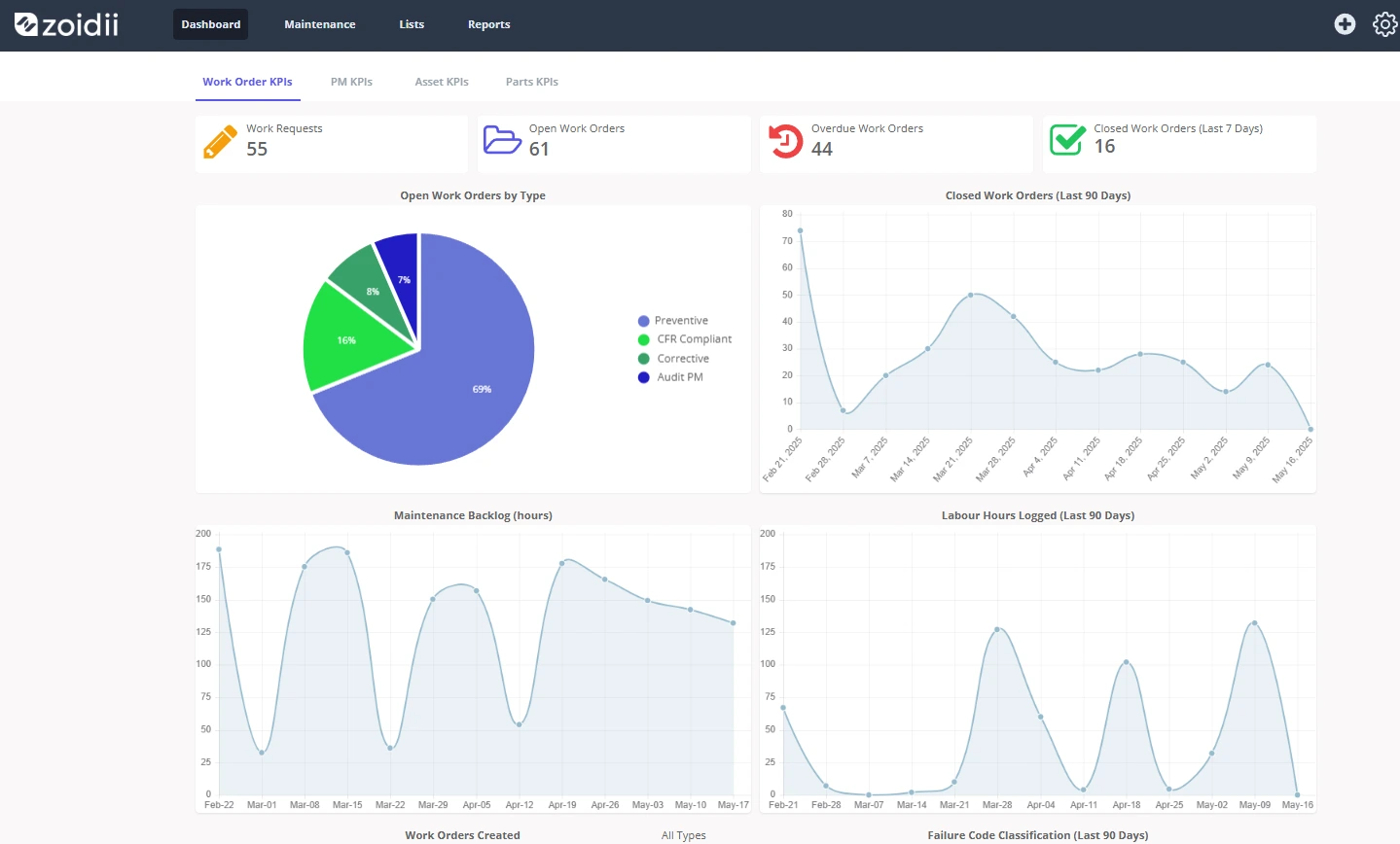
One of the most effective ways to secure more funding is through data-driven storytelling. A CMMS is invaluable in this context, providing centralized access to key metrics, historical trends, and reports that help quantify maintenance needs and justify budget allocations.
Key Metrics to Leverage from Your CMMS:
- Equipment downtime hours and costs
- Labor hours per work order
- Inventory usage and stockouts
This kind of hard evidence is far more persuasive than general claims of “increased wear and tear.”
3. Quantify the Cost of Inaction
Every maintenance manager knows that deferred maintenance often leads to larger problems—but management may not. Use your CMMS to help calculate the long-term cost of doing nothing.
With access to asset histories, parts failures, and breakdown trends, a CMMS can help simulate different scenarios. For instance:
“If we delay replacing Pump A, which failed three times in the last quarter, we risk another breakdown. Each incident costs $10,000 in lost production and $2,000 in emergency repairs. The replacement costs $18,000—meaning we break even after just one more failure.”
Projecting costs like this—backed by CMMS data—turns your request into a proactive risk management plan.
4. Align Maintenance Goals with Business Objectives
Upper management thinks in terms of strategic priorities: growth, profit margins, customer satisfaction, safety, and compliance. To get their support, link your maintenance goals directly to these outcomes.
A CMMS helps by connecting maintenance activities to asset performance, uptime, and overall operational efficiency. For instance:
- Production goals: “Upgrading to a preventive maintenance model could reduce unplanned downtime by 20%, enabling the plant to meet quarterly production targets.”
- Customer delivery: “Reducing breakdowns in packaging equipment helps ensure on-time delivery, which supports our customer satisfaction KPI.”
- Safety/compliance: “Regular inspections logged through our CMMS ensure compliance with OSHA regulations, reducing liability risks.”
5. Show Progress and Accountability
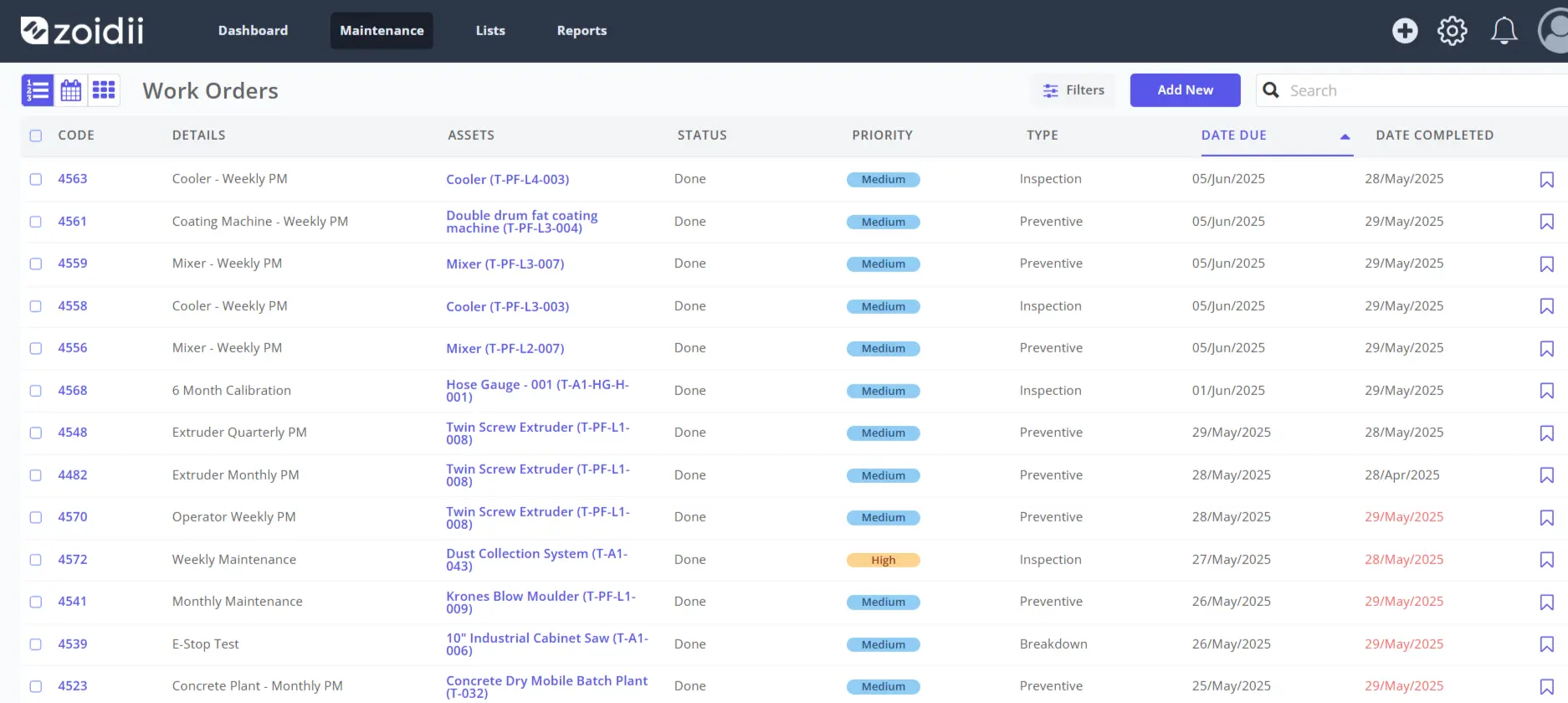
Executives want to know their investments will be well-managed. A CMMS helps demonstrate that you can track budget use and outcomes with precision.
Use Your CMMS to Show:
- Budgeted vs. actual maintenance spending
- Closed work orders on schedule
- Inventory turnover and cost control
- Preventive maintenance compliance rates
“Since implementing the new lubrication schedule through our CMMS, bearing failures have decreased by 40%, saving an estimated $60,000 in parts and labor over six months.”
When leaders see that past investments have paid off, they’ll be more inclined to approve new ones.
6. Build a Professional Budget Proposal
A clear, detailed, and professionally presented budget request signals credibility and preparedness. Your proposal should include:
- Executive summary: What you’re requesting and why
- Current vs. projected performance metrics (using CMMS data)
- Cost-benefit analysis: Return on investment over time
- Detailed line items: Labor, parts, tools, software, training, etc.
- Risk assessment: Consequences of inaction
- Implementation timeline and success metrics
7. Offer Multiple Scenarios
Sometimes, the full amount you ask for isn’t feasible, but that doesn’t mean your request should be denied entirely. Consider presenting tiered options, such as:
- Essential: Minimum required to prevent major failures
- Recommended: Ideal funding to optimize performance
- Optimal: Full investment to modernize and future-proof
8. Engage Stakeholders Early
Budget approvals often involve more than just the CFO. Production, safety, quality assurance, and IT teams all have a stake in maintenance outcomes. Loop them in early, and use your CMMS to gather shared data that reinforces your proposal.
For example:
- Production: Show how better asset uptime supports throughput goals
- IT: Coordinate on CMMS upgrades or integrations
- Safety: Demonstrate how inspections reduce injury risks
9. Address Common Objections with Evidence
Expect pushback, and be ready with data-backed responses. This is where a CMMS can be particularly useful, providing the evidence you need to counter objections.
Objection: “We can’t afford this right now.”
Response: “According to our CMMS, breakdowns have already cost $150,000 in lost productivity this year. The proposed investment of $40,000 could prevent another $100,000 in losses over the next six months.”
Objection: “Why not wait until next year?”
Response: “Asset data shows a 50% increase in downtime for three critical machines. Delaying maintenance increases the chance of catastrophic failure, which would cost far more than preventive investment.”
Anticipating objections and countering them with solid CMMS reports builds your case and shows you’ve done your homework.
10. Monitor Results and Report Back
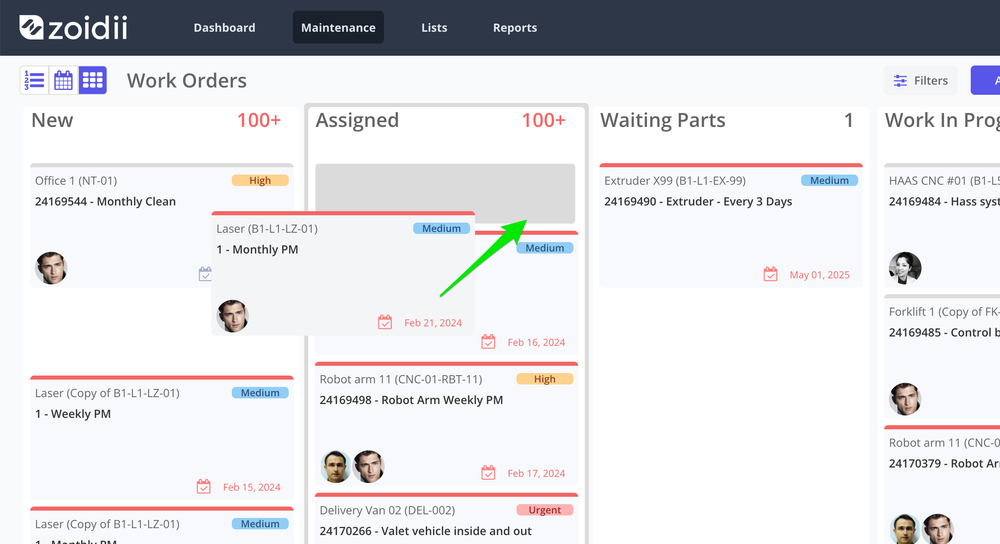
Once your budget is approved, your work isn’t done. Use your CMMS to track performance and report back to leadership:
- Did downtime decrease?
- Did maintenance costs stay within budget?
- Were ROI targets met?
- Were PM compliance rates maintained?
Maintenance Isn’t a Cost—It’s a Strategy
Winning approval for a bigger maintenance budget requires more than just asking for more money. It’s about making a persuasive, data-backed case that shows how strategic maintenance investments reduce risk, improve reliability, and support business goals.
A CMMS is a powerful ally in this process. It provides the data, documentation, and reporting tools you need to demonstrate value, quantify results, and build trust with decision-makers.
When you frame maintenance as a key contributor to operational success—not just a necessary cost—you shift the conversation in your favor. And with the right tools, the right metrics, and the right strategy, you’ll be far better equipped to get the budget your team truly needs.