
Creating a preventive maintenance plan is essential for any business. Regular maintenance will help maximize productivity, reduce downtime and keep costs in check.
It also helps reduce the risk of accidents or equipment failure. This guide outlines five steps to ensure the effectiveness of your maintenance plan.
What are the benefits of having a maintenance plan?
Having a planned maintenance routine offers many benefits t
- Extends the economic life of equipment and machines.
- It reduces maintenance costs by preventing costly repairs.
- It increases overall labor efficiency.
- Ensures that machines operate at peak performance.
- Well-maintained equipment helps reduce energy costs.
- Improves the quality of the products coming off the line.
- Ensures that maintenance technicians follow all safety protocols through standardized operating procedures, which can help protect both employees and customers.
What are the steps to create a maintenance plan?
A proactive maintenance plan is essential for preventing equipment failures before they occur, which allows smoother operations. Here are the key steps to create an effective plan:
1. Identify areas and equipment in need of maintenance
The first step in creating an effective maintenance program is identifying which areas need attention. Evaluate your business operations to determine which processes and equipment need maintenance.Consider factors such as machine types, usage frequency, and operational conditions affecting maintenance needs.
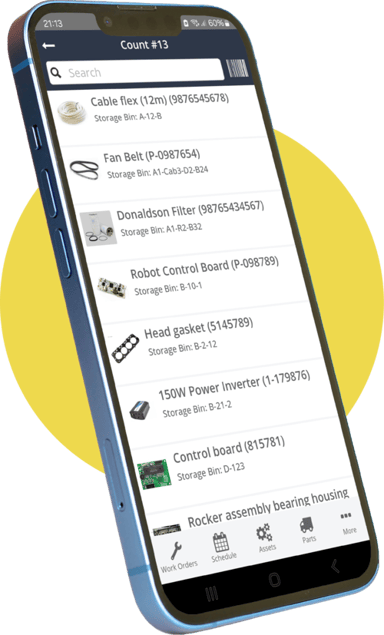
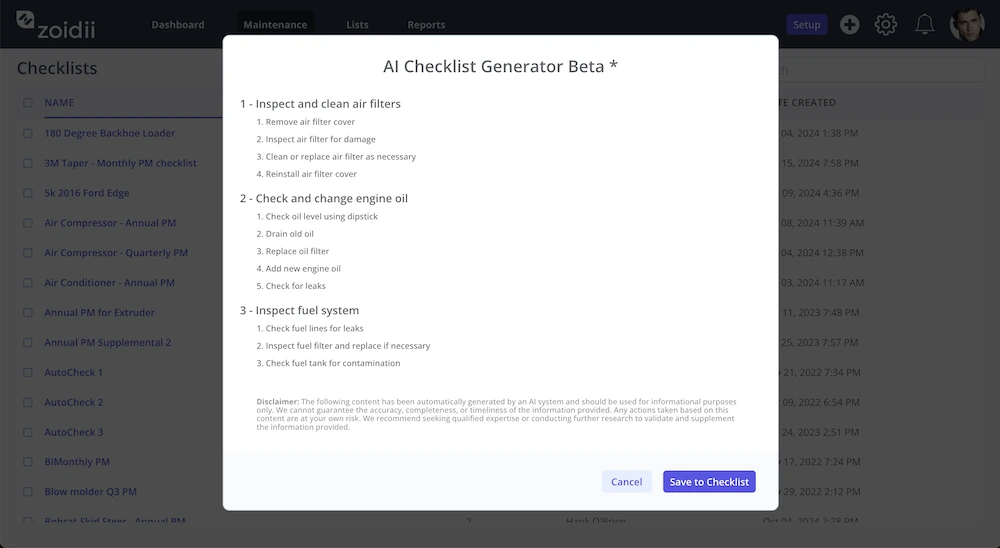
You should also create a preventive maintenance checklist of required tasks, parts, and special tools needed. Another place to start is the manufacturer's recommended preventive maintenance schedule.
Cost analysis for maintenance planning
When creating a preventive maintenance program, consider the associated maintenance costs. Factor in the costs of labor, materials, and other expenses associated with the maintenance process.
Estimate the time required for each task and consider how the planned downtime will impact your business operations. Once you have identified the areas of need and the associated costs, you can create a plan that meets your budget and timeline.
2. Establish a maintenance schedule
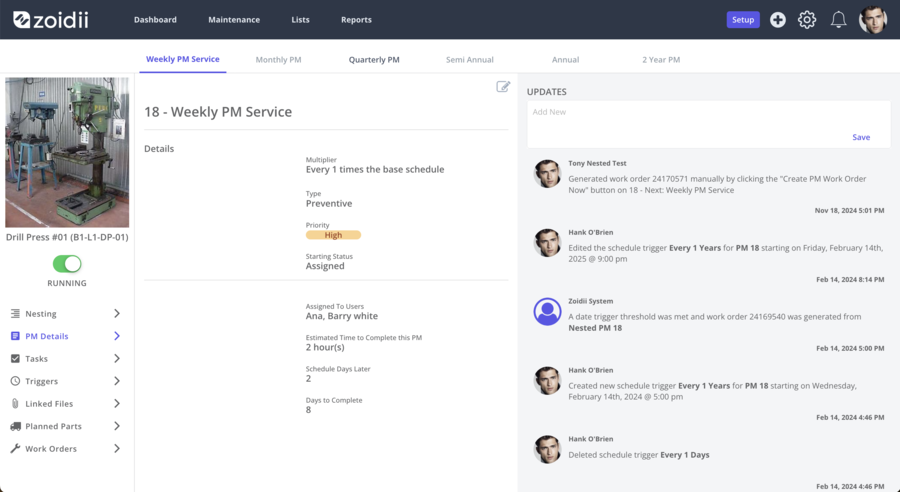
After identifying the areas that need maintenance, the next step is to create a maintenance schedule.Specify when and how often each task should be executed. Consider how often each machine and tool requires servicing, and include routine checks as part of your preventive maintenance plan.
Ensure the maintenance team follows the schedule and completes all the tasks on time. The maintenance manager should periodically review the Computerized Maintenance Management System (CMMS) data to verify that preventive maintenance is carried out as scheduled.
Additionally, keep records of all maintenance activities in the CMMS to monitor progress and identify any areas that may need further improvement.
3. Develop a cost-effective plan
Creating a cost-effective maintenance plan is critical. Assess the cost of materials, labor, and any other associated expenses. Evaluate the cost-effectiveness of each task and determine whether it is necessary.Completing preventive maintenance tasks on an asset is pointless if they don't eliminate failure modes or if the run-to-failure costs are minimal. Create a plan that balances the budget with equipment availability needs.
Consider the long-term maintenance costs and the potential loss in salvage or resale value if equipment is improperly maintained.
For example, if a task requires frequent repairs or replacements, it may be more cost-effective to invest in a higher-quality product that will last longer.
4. Plan for emergencies and unplanned repairs
Develop a plan for emergencies and unexpected repairs. This plan should include measures for dealing with these occurrences, such as identifying reliable contractors who can provide emergency services.Include provisions for backup supplies in case of shortages, as well as other necessary items for quick repairs. You should also create a budget for emergency repairs and unexpected expenses.
This budget should be regularly reviewed and updated to ensure it is sufficient to cover potential costs. Additionally, it is essential to have a plan in place to access the funds in an emergency. This could include having a line of credit or other financial resources available.
5. Assess the impact of maintenance on business operations
Determine the impact of regular maintenance on your business's overall operations. It reduces the risk of unexpected breakdowns, costly repairs, and replacements. It also improves the business's overall performance.Equipment maintenance will extend the equipment's life. An assessment should include productivity, cost-effectiveness, efficiency, and safety.
Additionally, consider the impact of downtime due to repairs and how it will affect your bottom line.

How to implement the maintenance plan
To successfully implement a preventive maintenance plan, follow these key steps to ensure it meets your business needs.
- Assign responsibilities to employees for proper task delegation.
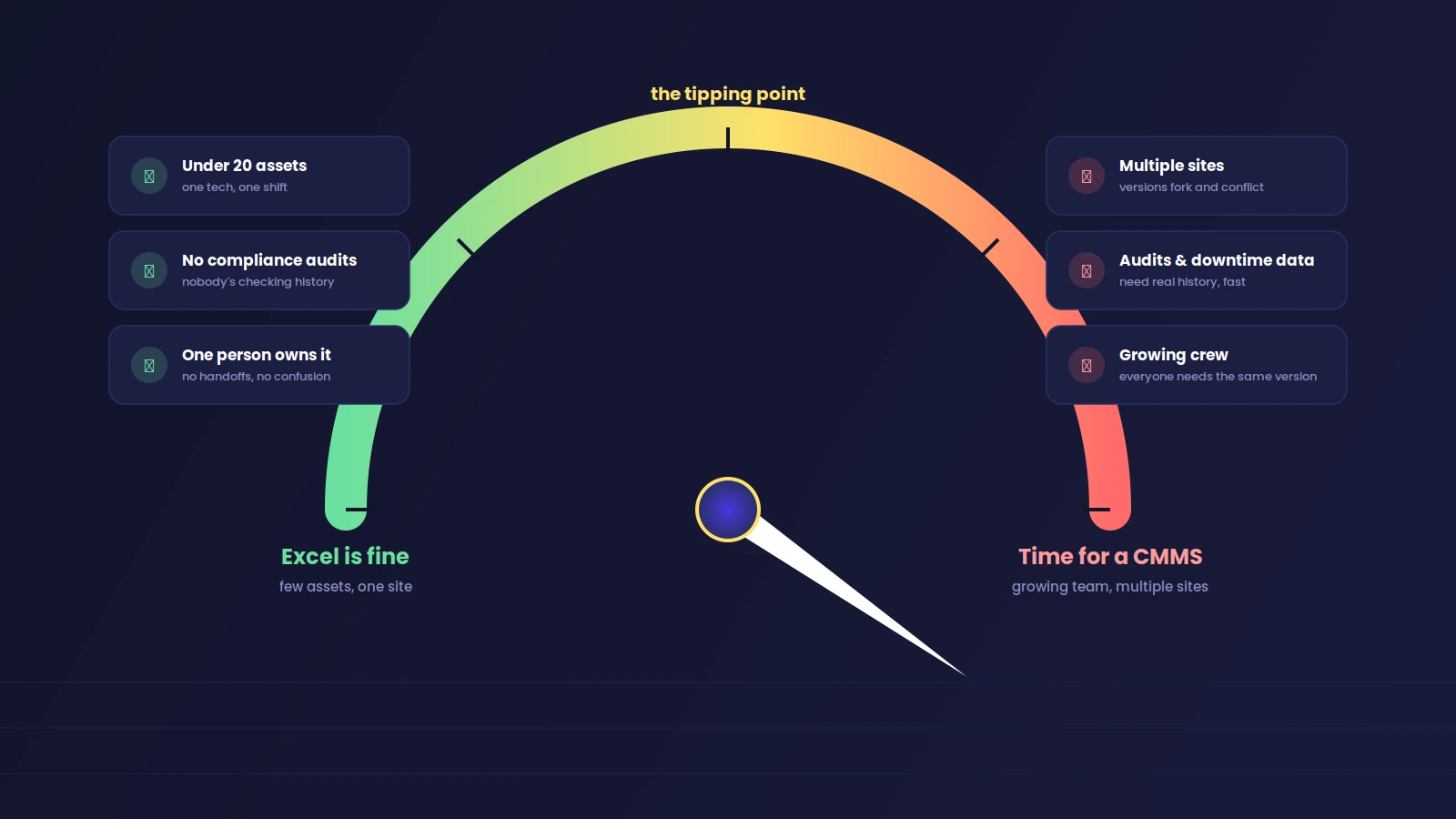
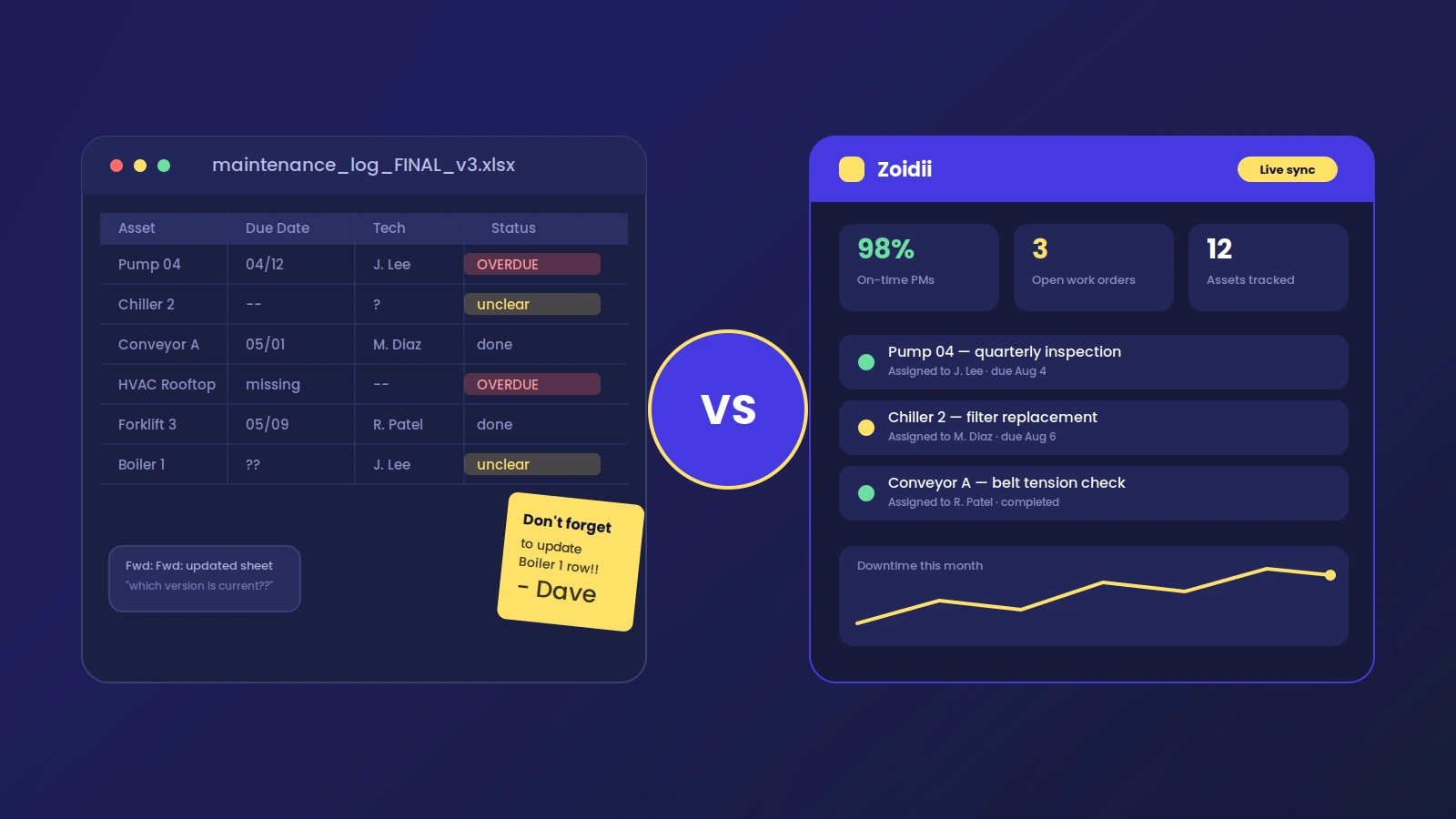
- Implement a maintenance management software system, such as CMMS software, to track maintenance tasks.
- Ensure that workers understand the importance of following the plan.
- Monitor and evaluate the plan's performance using key performance indicators to ensure it meets its goals.
- Ensure that the maintenance plan is regularly updated to reflect any changes in the workplace or equipment.
- Review any areas for improvement based on employee feedback.
- Address potential problems quickly and efficiently to ensure the maintenance plan remains effective.
Summary
To summarize, when creating an effective maintenance plan, keep in mind the following tips:
- Identify all areas that need maintenance.
- Establish a schedule that is tailored to your business needs.
- Develop a cost-effective plan.
- Plan for emergencies and unexpected repairs.
- Assess the impact of regular maintenance on business operations.
- Track and evaluate the plan's performance.
Optimize your maintenance with Zoidii
Zoidii's maintenance management software simplifies planning, scheduling, and tracking your maintenance efforts.
Enhance efficiency, minimize downtime, and optimize asset management with our intuitive solution. Book a demo today!