
Understanding the difference between planned and preventive maintenance is important for any business that relies on machinery or equipment.
Although these two terms are often used interchangeably, some differences must be accounted for, especially when examining asset and maintenance metrics.
Maintenance Strategies for Equipment Reliability
Planned and preventive maintenance are proactive approaches to maintenance management, in contrast to reactive maintenance, which addresses failures after they occur.
Maintenance Strategy Types
These proactive methods aim to minimize downtime, extend asset lifespan, and ensure optimal equipment performance. While they share similarities, they have distinct differences in terms of their objectives, timing, and execution.
Planned Maintenance Overview
Planned maintenance, also known as scheduled maintenance (and occasionally called preventative planned maintenance when the focus is specifically on failure prevention through planning), is a proactive approach that involves scheduling maintenance tasks in advance.
The primary benefit of planned maintenance is that it allows businesses to plan and prepare for maintenance tasks, minimizing downtime, improving efficiency, and reducing maintenance costs.
However, it is essential to note that planned maintenance requires careful planning and organization. Using a work order scheduling tool can help mitigate the need for planning resources when scheduling work.
Objectives of Planned Maintenance
Planned maintenance encompasses all scheduled and coordinated maintenance activities to minimize downtime and optimize resource utilization.
It involves strategically planning maintenance activities, such as repairs, overhauls, or upgrades, to align with production schedules and operational priorities.
Maintenance Planning and Scheduling
Thorough planning and scheduling are essential for planned maintenance.
Maintenance Triggers and Scheduling
Activities are scheduled based on factors such as asset criticality, production schedules, resource availability, and strategic business objectives.
Resource Allocation for Maintenance
Unlike preventive maintenance, which follows a regular schedule, planned maintenance is often triggered by specific events, such as equipment inspections, performance degradation, or production downtimes.
Execution of Planned Maintenance Tasks
Planned maintenance covers four key activities:
1. Corrective maintenance
Fixing issues once they’re identified.
2. Predictive maintenance
Using analytics or condition monitoring to spot and address emerging problems before they occur.
3. Condition-based maintenance (CBM)
Acting on real-time asset health data to guide service.
4. Improvement initiatives
Upgrades or modifications are designed to boost performance and efficiency.
Implementing a Planned Maintenance Program
Businesses should invest in maintenance management software (CMMS) to effectively manage a planned maintenance schedule.
Planned Maintenance Software and Tools
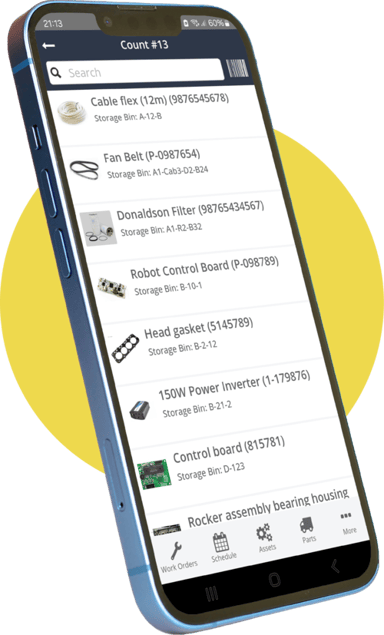
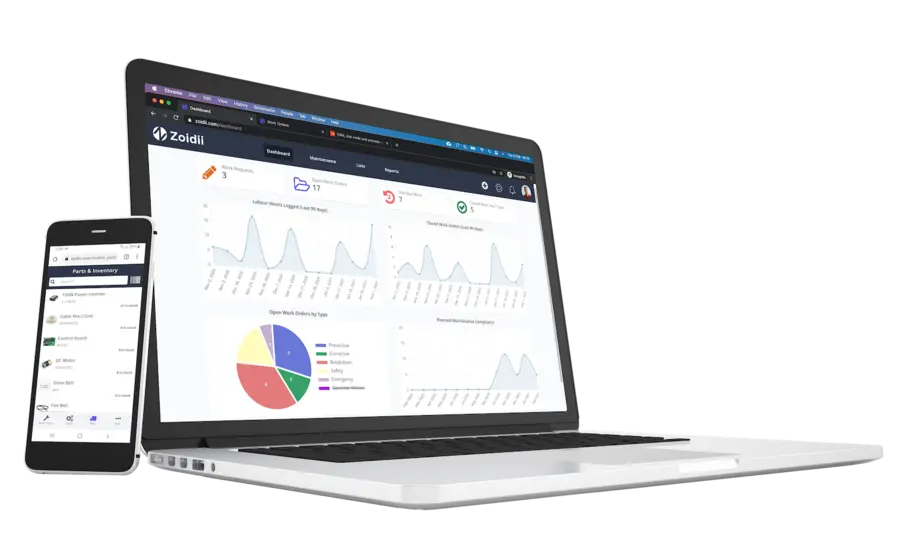
CMMS software, such as Zoidii, helps companies track, manage, and optimize their maintenance tasks, ensuring that all cross-functional teams (maintenance, production, etc.) are aligned on when work needs to be done and which assets will be offline when it is necessary.
Inspection Checklists and Documentation
The software also provides valuable KPIs and insights that can be used to optimize the maintenance process.
Preventive Maintenance Overview
Preventive maintenance is a planned approach to maintaining equipment to prevent failure.
Difference Between Routine and Preventive Maintenance
Routine maintenance and preventive maintenance are different; while both are proactive, preventive maintenance is generally more structured and data-driven.
Preventive vs Preventative Maintenance
Some people wonder about preventive maintenance versus preventative maintenance; there is no practical difference between them, since both describe the same practices.
Choosing preventive vs preventative maintenance is usually a matter of style, with 'preventive' being more widely used.
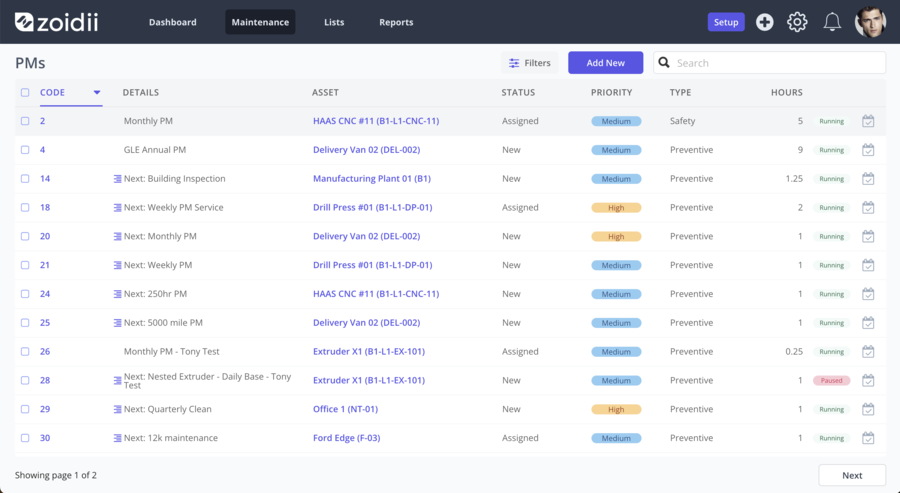
Sometimes called planned preventive maintenance, it is typically based on the manufacturer's recommendations. It involves tasks such as inspections, cleaning, lubrication, oiling & greasing, and parts replacement, all performed according to a recurring cycle.
The primary benefit of preventive maintenance is that it can help businesses avoid costly and unexpected downtime by regularly maintaining equipment and addressing minor issues before they escalate into significant problems.
Objectives of Preventive Maintenance
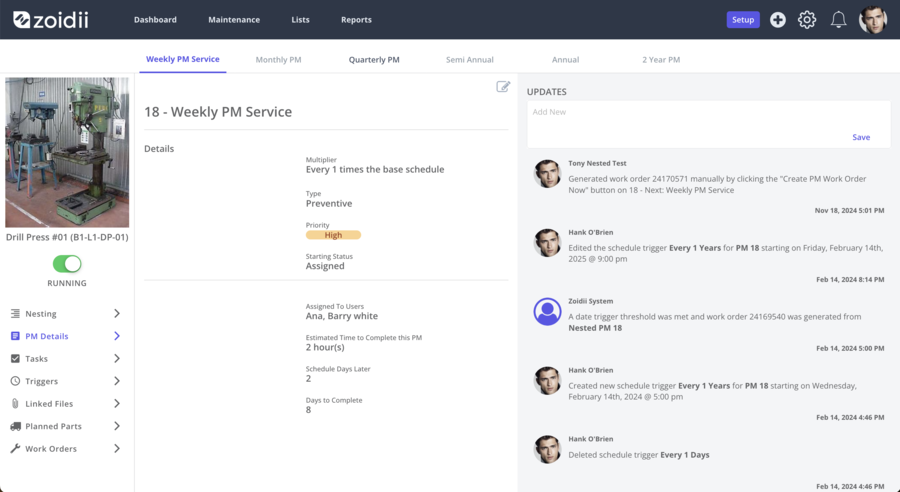
Preventive maintenance focuses on preventing equipment failure by regularly servicing assets according to a predetermined schedule or set of criteria.
The primary goal is to lower equipment breakdowns and address or mitigate potential issues before they escalate into costly disruptions or safety hazards.
Timing of Preventive Maintenance
Technicians perform preventive maintenance tasks at scheduled intervals based on asset usage, manufacturer recommendations, historical data, and industry best practices.
These intervals may be determined by time (e.g., monthly, quarterly), usage (e.g., every 1,000 operating hours), or condition (e.g., when specific parameters exceed predefined thresholds).
Execution of Preventive Maintenance Tasks
Preventive maintenance tasks typically include inspections, lubrication, calibration, cleaning, and replacing components or consumables. These tasks are often standardized and documented to ensure consistency and compliance with maintenance protocols.
Implementing a Preventive Maintenance Program
Maintenance teams must develop an organized program with specific preventive maintenance steps to implement it properly.
Criticality Analysis in Preventive Maintenance
This plan should include information on the tasks that need to be performed, their due dates, and the individuals responsible for completing them.
Again, using CMMS software is the most effective way to track and manage preventive maintenance tasks, ensuring that equipment is appropriately maintained and potential issues are addressed before they become significant problems.
Documentation and Standard Operating Procedures
Similarly, maintenance leaders can use the data and insights to optimize the preventive maintenance process and maintenance checklists, often using inspection checklists tailored to specific assets.
Planned vs Preventive Maintenance: Key Differences
Focus and Objectives Compared
Preventive maintenance focuses on preventing equipment failure through regular servicing, while planned maintenance focuses on strategically planning maintenance activities to minimize downtime and optimize resource utilization.
Timing and Scheduling Differences
This underscores a difference between preventive and scheduled maintenance; preventive maintenance follows a predetermined schedule or set intervals, while planned maintenance may be scheduled in advance based on specific events or operational priorities beyond recurring intervals.
Execution and Task Types Compared
Preventive maintenance tasks are standardized and performed at regular intervals, while planned maintenance activities may include a range of corrective, predictive, and improvement initiatives tailored to specific needs and circumstances.
Planned Maintenance Examples in Practice
To illustrate the differences between preventive and planned maintenance, consider a real-world example: a person's home. These are just a few planned maintenance examples in a domestic setting, with similar principles applying in industrial contexts.
Real-World Preventive Maintenance Examples
Preventive maintenance could be cutting the lawn every Saturday morning between 10 and 11 am or conducting a safety check of your vehicle every Monday morning before heading off to work. Preventive maintenance is always planned.
Real-World Planned Maintenance Examples
An example of this can be noticing a very minor leak in your bathroom faucet, causing it to drip.
The drip may not be urgent enough to warrant immediate attention when you notice it at 11 pm on a weeknight, but instead, plan to fix the faucet (corrective work) on Saturday afternoon when you have free time.
Advancing Your Maintenance Strategy
In summary, while both preventive and planned maintenance aim to enhance asset reliability and performance, they differ in their objectives, timing, and execution strategies.
Benefits: Reliability, Safety, and Asset Lifespan
By incorporating both approaches into a comprehensive maintenance strategy, organizations can manage their assets, minimize downtime, and maximize operational efficiency.
Maintenance is important to any business that relies on machinery or equipment. By implementing a proactive maintenance strategy, maintenance teams can enhance the efficiency, productivity, and longevity of their assets.
Classifying Maintenance for Continuous Improvement
Classifying the maintenance being done, whether planned or unplanned, preventive or corrective, helps give you insight into improvements that can ensure equipment is proactively maintained in the future.
Take the Next Step in Maintenance Excellence
Understanding the difference between planned and preventive maintenance empowers your team to maintain equipment reliability.
By combining both approaches and tracking your efforts with simple tools like a CMMS, you can reduce downtime, stretch your maintenance budget, and keep your assets working better, for longer.
Whether you’re fine-tuning your current process or just starting to build a proactive strategy, clear planning and regular preventive tasks are key to fewer surprises and smoother operations.
Ready to make maintenance easier? Explore how Zoidii can help your team stay ahead and keep everything running as it should. Contact Us today.