
Are you tired of playing catch-up with equipment repairs or losing productivity to unexpected breakdowns? Building a preventive maintenance plan doesn’t have to be complicated or costly.
In this guide, you’ll find clear, practical steps to create a proactive maintenance strategy that extends asset life, controls costs, and keeps your operations on track - no surprises, just results.
What is a Preventive Maintenance Plan?
Preventive maintenance is essential for any business or organization relying on equipment to operate. It is a proactive approach that businesses use to maintain and repair equipment before it fails.
The distinction between proactive maintenance and reactive maintenance is critical; the former prevents issues while the latter addresses them after breakdowns.
This strategy increases equipment lifespan, minimizes downtime, and reduces costs. Designing preventive maintenance plans requires careful consideration and strategic hindsight.
Without a preventive maintenance program in place, equipment can break down unexpectedly, resulting in production delays and potentially posing safety hazards.
What are the Advantages of Implementing a Preventive Maintenance Plan?
Preventive maintenance offers multiple advantages, including improved efficiency, cost savings, and enhanced safety.
These plans ensure that equipment operates smoothly, enabling businesses to maintain productivity and improve employee morale. A well-thought-out preventive maintenance plan ensures that equipment operates smoothly, enabling businesses to maintain productivity and improve employee morale.
1. Boosting Efficiency and Equipment Uptime
Preventive maintenance enables businesses to plan maintenance activities in advance rather than waiting for equipment to break down. This allows maintenance to be scheduled when it will have the least impact on operations, minimizing disruptions and downtime.
When equipment is well-maintained, it runs more smoothly and is more productive. This allows maintenance technicians to work more efficiently, resulting in increased revenue and profits for the business.
Reliable machinery also creates a stress-free work environment for employees, improving morale and job satisfaction.
2. Reducing Downtime
Preventive maintenance minimizes operational downtime by detecting issues before they become big problems.
Regular inspections and testing can detect wear and tear on equipment, allowing repairs to be scheduled ahead of time. This reduces the need for emergency repairs that can cause disruptions.
Regular inspections also ensure that a piece of equipment is less likely to break down unexpectedly, ensuring continuous operations. This uninterrupted workflow reduces lost productivity and associated costs.
3. Saves Money
Proactively maintaining equipment can prevent costly breakdowns and major repairs. Early detection and addressing issues reduce the need for expensive replacements or emergency fixes.
Well-maintained equipment operates more efficiently, lowering energy costs and improving productivity. Regular cleaning, lubrication, and adjustments also boost performance and reduce energy consumption.
Preventive maintenance can also extend equipment lifespan, leading to long-term savings. It can also benefit the environment by reducing energy consumption and the carbon footprint of continuous operation.
4. Ensuring Safety
Routine maintenance can detect potential safety hazards before they cause accidents.
Regular inspections ensure compliance with safety regulations and prevent equipment malfunctions that could harm employees. This creates a safer workplace, reducing the risk of injuries or fatalities and promoting overall employee well-being.
5. Enhancing Customer Satisfaction
Customers expect reliable service and products. Preventive maintenance can help ensure that businesses deliver on that expectation. Companies can reduce service interruptions and ensure that products are delivered on time by keeping equipment in good working order. When customers see that a business is taking proactive steps to maintain its equipment, it can increase their confidence in the business and increase customer loyalty.
5 Steps to Build Your Preventive Maintenance Plan
These five steps ensure an effective preventive maintenance program that is well-structured, cost-effective, and adaptable to changing needs.
These steps create a preventive maintenance program that is well-structured, cost-effective, and adaptable to changing needs. This will increase equipment lifespan and optimize operational efficiency.
Step 1: Define Maintenance Goals and Priorities
To start designing a preventive maintenance program, define goals and priorities. Effective preventive maintenance planning involves identifying critical equipment (often starting with a comprehensive asset inventory), determining maintenance intervals, and determining necessary maintenance types.
Goals and priorities should be based on the business's budget, operational needs (which might include an IT preventive maintenance plan for digital infrastructure), and desired outcomes, which can be tracked using specific maintenance KPIs.
For example, if the business relies heavily on a particular machine, ensuring it is always in good working condition may be a priority. On the other hand, if the company has a limited budget, maintenance tasks may need to be prioritized based on their importance to the overall operation.
Step 2: Use Preventive Maintenance Software
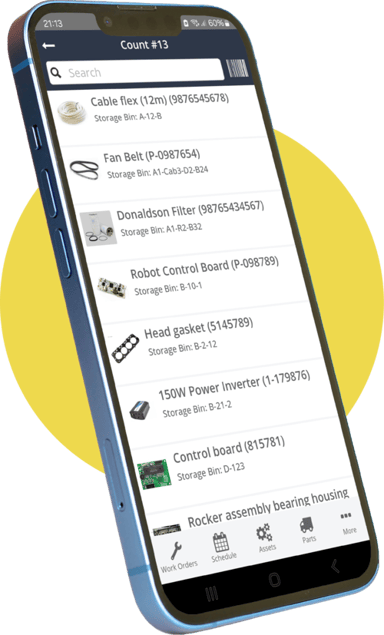
Preventive maintenance software can help automate the process of scheduling and tracking maintenance. This software can help businesses keep track of maintenance requirements, costs, scheduling, inventory and spare parts management. It can also alert staff members when maintenance is due and generate reports to track progress.
There are many different types of preventive maintenance software available, so it is essential to choose one that meets the business's needs.
Some software may be more suited to small businesses, while others may be better for larger organizations with more complex maintenance needs.
Step 3: Create a Preventive Maintenance Schedule
The next step is to create an effective preventive maintenance schedule. This stage of preventive planning should include regular maintenance tasks and inspections. Using a maintenance checklist can help you organize these activities.
The frequency of maintenance should be based on the equipment's age, condition, and usage. The schedule should also include usage-based preventive maintenance, where maintenance tasks are triggered based on the equipment's actual usage rather than fixed intervals.
Recognizing these maintenance triggers is vital. The schedule should also incorporate traditional time-based maintenance schedules where maintenance tasks are triggered based on fixed intervals.
Schedule maintenance that is realistic and manageable. Over-scheduling maintenance tasks can lead to unnecessary downtime, while under-scheduling can result in equipment failure and costly repairs.
Step 4: Training and Plan Implementation
Once a schedule has been created, it's time to train staff and implement the plan. This will involve educating staff on why planning preventive maintenance is important and how to carry out the various steps of preventive maintenance activities. Clear maintenance procedures are essential here.
This can include training on inspection procedures, identifying defects, and reporting issues. It's essential to ensure that all staff members are aware of their roles and responsibilities regarding preventive maintenance. Consider starting with a pilot program for PM on a select few assets to refine the process.
Assign specific tasks to particular individuals or teams and ensure that everyone understands the importance of their role in keeping equipment in good working order.
Step 5: Track and Adjust as Needed
Finally, tracking progress and adjusting the plan as needed is essential. This can involve monitoring maintenance costs and history, analyzing downtime, and assessing the plan's effectiveness. For any failures that still occur, performing a root cause analysis (RCA) can be beneficial.
Regular assessments will help ensure the plan meets business needs and can be modified when necessary. Following a standard maintenance procedure during these phases maintains consistency in evaluation and performance metrics. Remember, a preventive maintenance plan is a living document that should be regularly reviewed and updated as equipment ages or business needs change.
Best Practices for Preventive Maintenance Success
To create the best preventive maintenance program, focus on stakeholder engagement, clear communication, and strategic preventive maintenance planning. Below are actionable steps to enhance the success of your maintenance efforts.
Engaging Stakeholders in Maintenance Planning
Engaging stakeholders is key to successful maintenance operations. Involving all relevant departments and staff members in the planning and implementation process ensures collective commitment. Stakeholders should be aware of the benefits of preventive maintenance and their specific role in the process. Here are some ways to engage stakeholders:
Organize regular meetings
Hold regular meetings to discuss equipment status and review maintenance schedules, and always create space for input, feedback, and questions from the team.
Involve stakeholders in decision-making
Involve stakeholders when building maintenance strategies by encouraging collaboration, finding practical solutions together, and building buy-in across all departments.
Provide training and education
Provide clear training on proper equipment use and show stakeholders how to spot and report potential issues, so everyone can play a part in keeping assets running smoothly.
How to Promote Effective Communication for Maintenance Teams
Effective communication is also important in building a preventive maintenance strategy. Maintenance managers and other stakeholders must communicate effectively by reporting issues, scheduling preventive maintenance tasks, and sharing information on equipment status.
Clear communication ensures everyone is on the same page and can work together to achieve common goals.
Establish Clear Reporting Channels
Set up a dedicated email address or phone line for maintenance requests and make sure everyone knows exactly how to report issues so nothing gets missed.
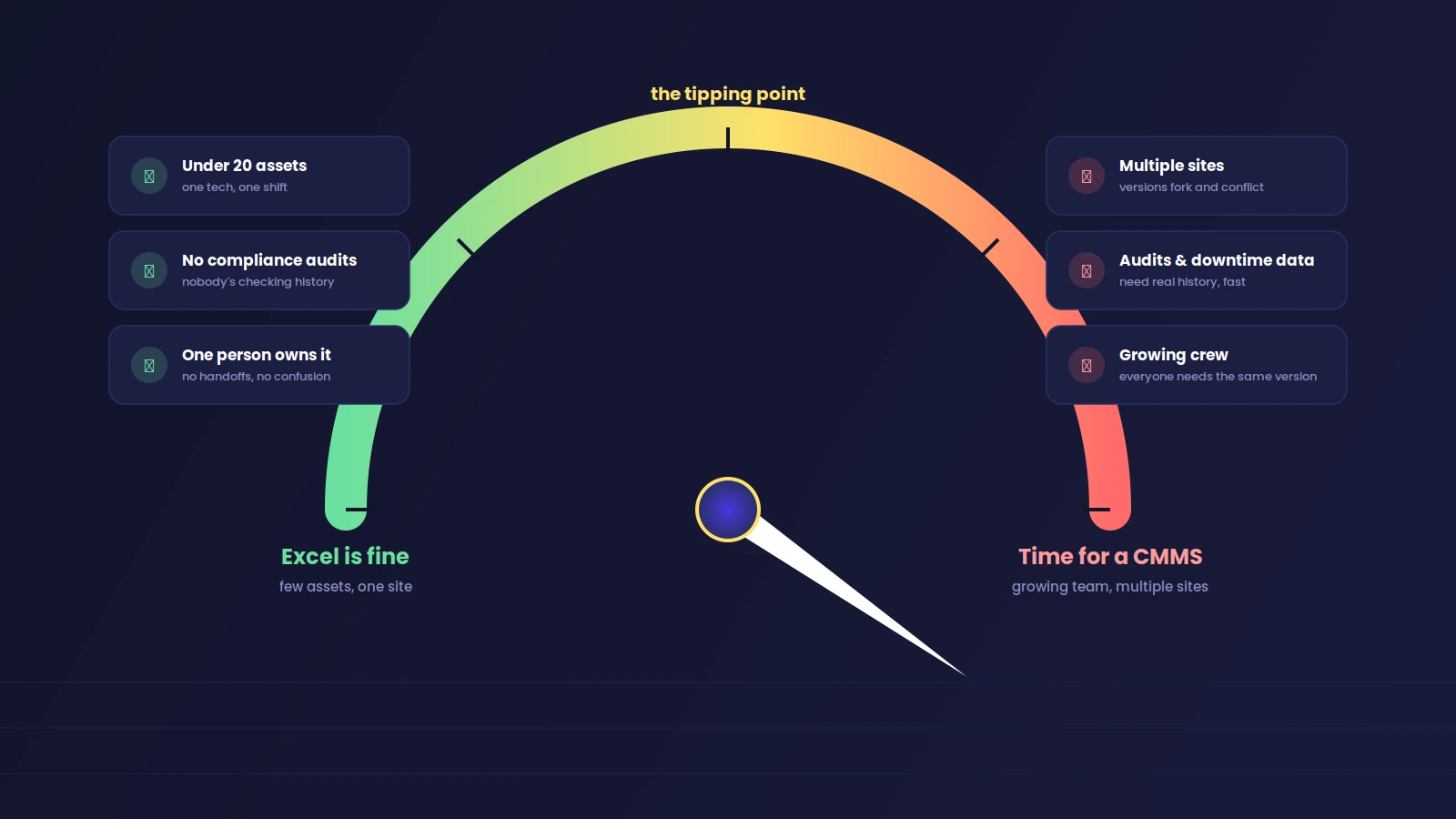
Implement a CMMS
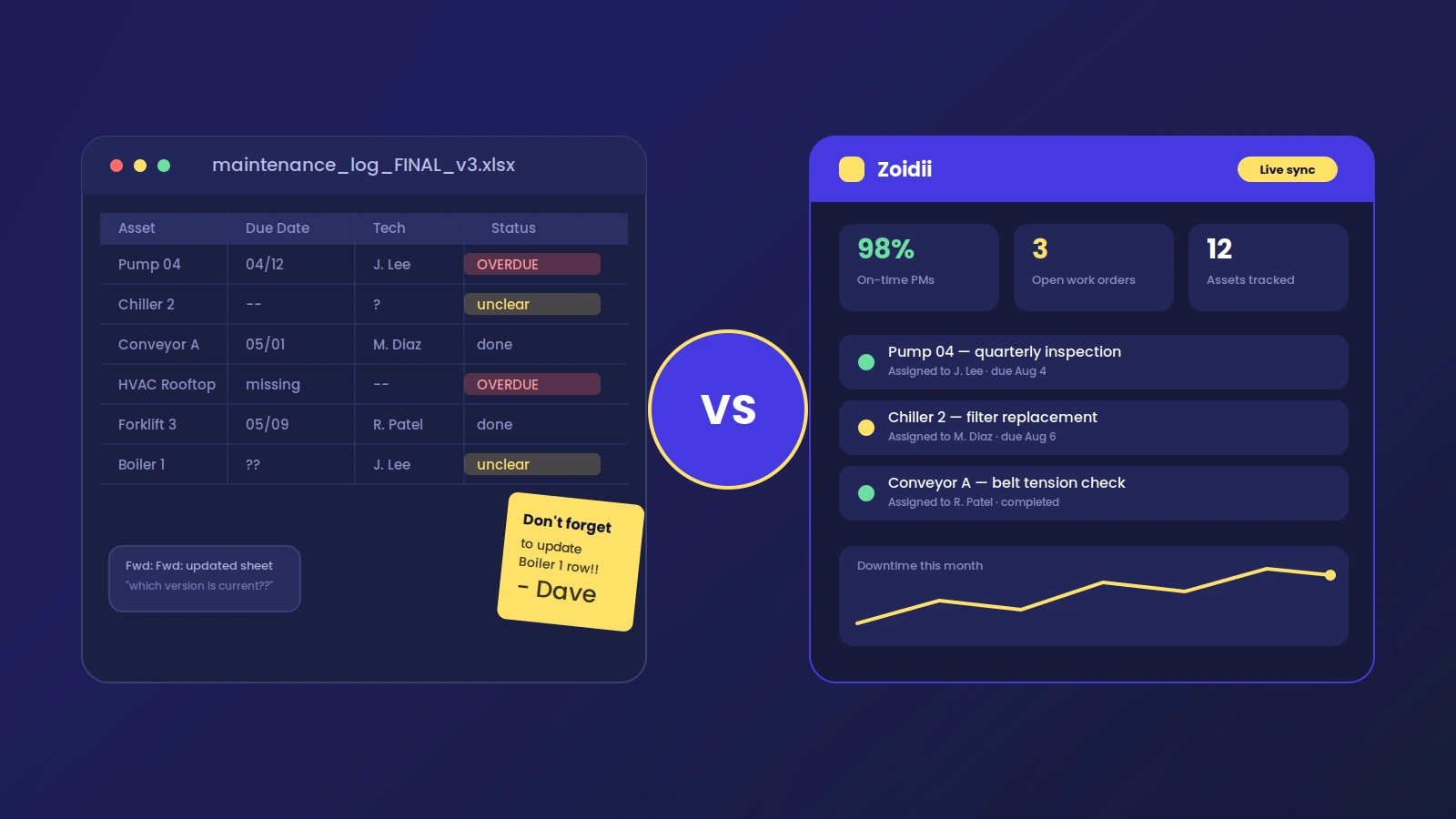
Adopt a computerized maintenance management system to keep communication flowing, and give all stakeholders access to real-time updates and schedules for total visibility.
Hold Regular Meetings and Updates
Plan weekly or monthly meetings to encourage effective teamwork, and use these sessions to keep everyone updated on progress and upcoming priorities.
Encourage Open Communication
Create an environment where staff are comfortable sharing ideas or raising concerns, and gather regular feedback through surveys or open sessions so everyone’s voice is included.
Boost your Maintenance Efficiency with Zoidii
Designing an effective preventive maintenance program is vital for businesses that rely on equipment to run smoothly. Following these five easy steps can create an effective, efficient, and cost-effective plan.
Zoidii streamlines this process with real-time updates, task tracking, and reporting. Our CMMS software offers an intuitive solution for optimizing preventive maintenance efforts.
Chat with one of our experts to learn how Zoidii can help streamline your maintenance operations!