
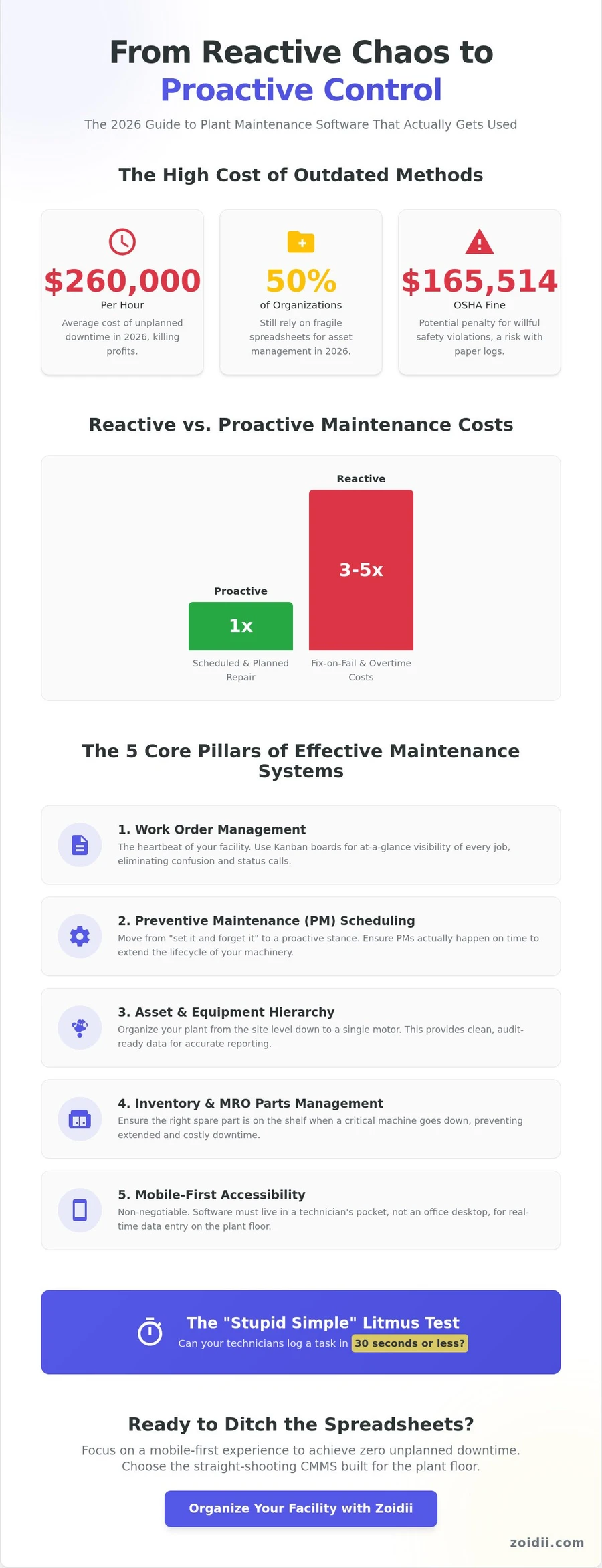
The most expensive plant maintenance software isn't the one with the highest monthly subscription; it's the one your technicians refuse to use.
In a year where unplanned downtime costs an average of $260,000 per hour, you can't afford a digital tool that just sits on a shelf.
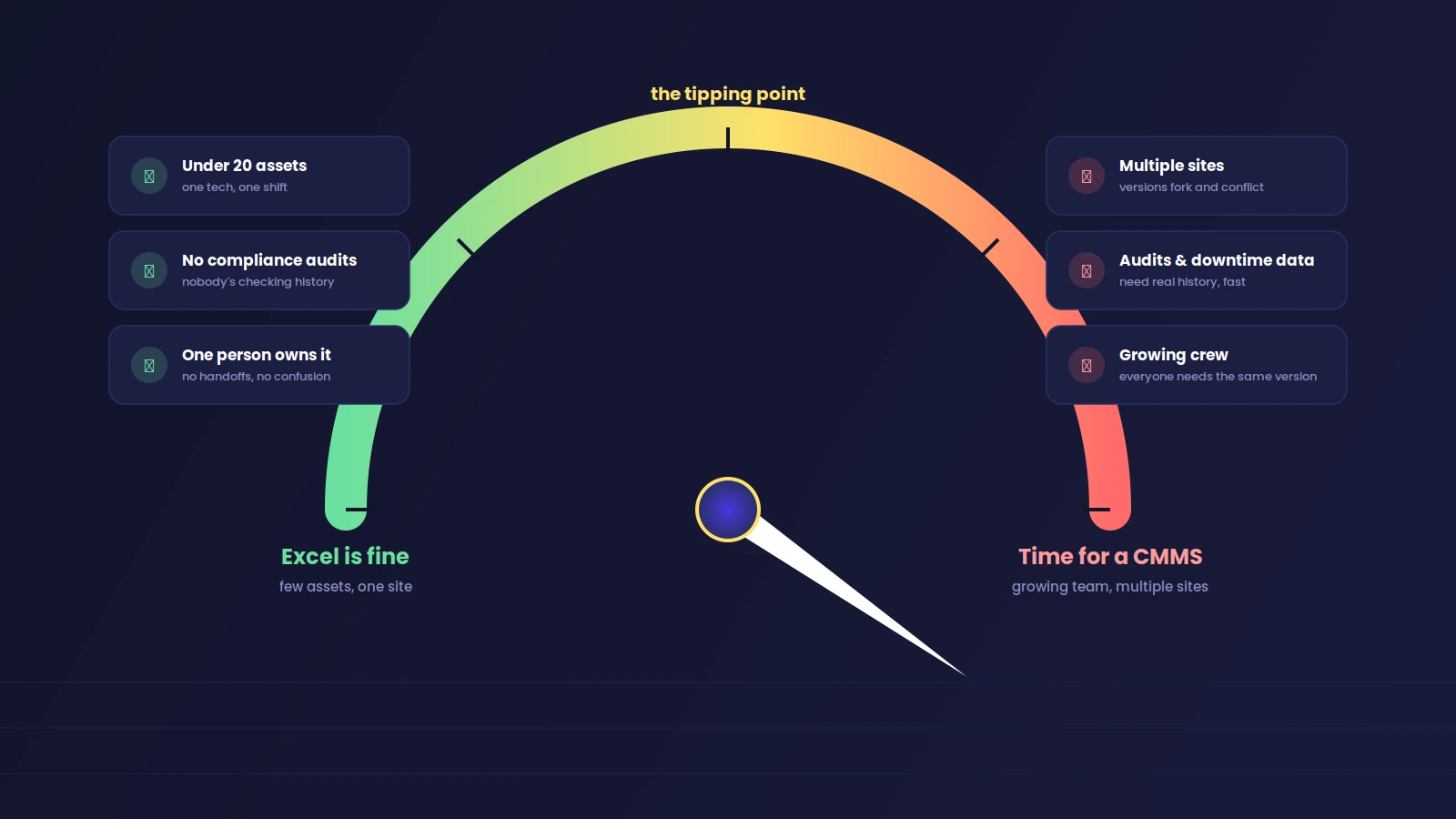
You're likely feeling the heat from the C-suite to prove ROI while your team still struggles with inaccurate spare parts inventory and manual entry. In fact, 50% of organizations in 2026 are still stuck using fragile spreadsheets to manage their assets.
It's frustrating to watch a major investment fail because the interface is over-engineered or the setup takes twelve months. You want zero unplanned downtime and PM schedules that actually happen, not a library of unused features.
This guide cuts through the fluff to show you how to choose and implement a system your team will actually use to organize your facility.
We'll look at the latest 2026 pricing, new OSHA heat injury regulations, and a stupid-simple framework for audit-ready logs.
Key Takeaways
- Understand why paper logs and legacy systems are now a liability for plant safety and operational compliance in 2026.
- Learn how to master the five core pillars of modern plant maintenance software, starting with work order management that acts as your facility's heartbeat.
- Apply the "Stupid Simple" litmus test to ensure your software is intuitive enough for technicians to log tasks in 30 seconds or less.
- Discover a 4-step rollout roadmap, including how to clean up your messy Excel data and identify champion users for maximum buy-in.
- See why stripping away the corporate fluff and focusing on a mobile-first experience is the only way to realize your goal of zero unplanned downtime.
What is Plant Maintenance Software and Why Does the 2026 Landscape Demand It?
Think of plant maintenance software as the central nervous system for your industrial facility. It's a digital hub where you manage every asset, work order, and spare part in one place.
In heavy industrial hubs like Ohio, the 2026 landscape has turned paper logs and legacy systems into a massive liability. If you're still using a clipboard to track safety checks, you're one audit away from a major OSHA penalty.
As of January 2026, willful violations can now cost up to $165,514.
Modern software bridges the gap between the greasy reality of the plant floor and the ROI requirements of the C-suite. Unlike general facility management tools that handle light bulbs and HVAC, heavy-duty plant maintenance software is built for the high-pressure environment of production lines and critical machinery.
From Reactive Chaos to Proactive Reliability
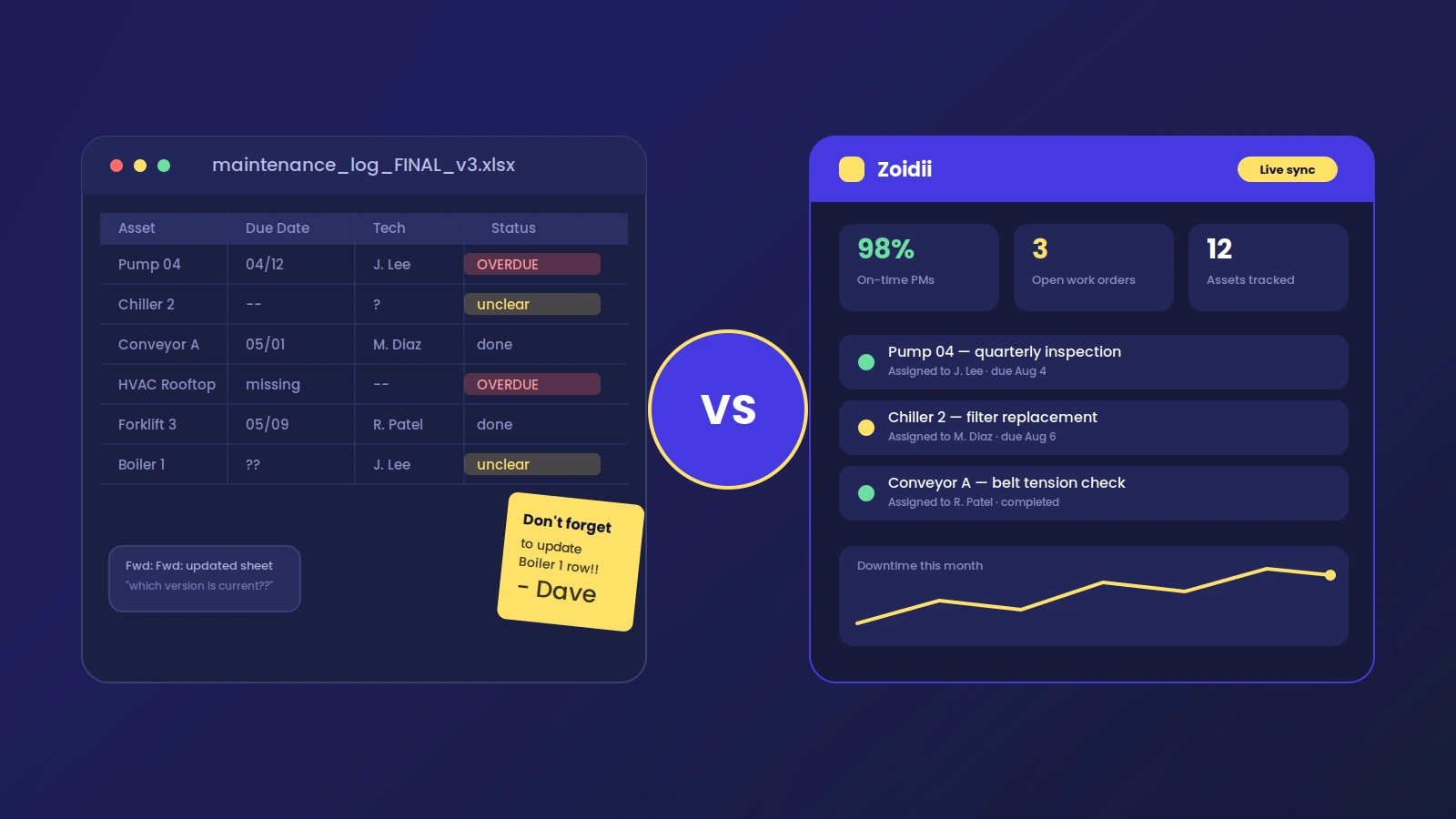
Fixing a machine after it breaks costs 3 to 5 times more than a scheduled repair. It's a simple fact. When you're in reactive mode, you pay for rush shipping on parts and expensive overtime for technicians. Using a computerized maintenance management system allows you to escape the chaos of "fixing it when it breaks." This transition extends the lifecycle of your aging machinery by ensuring PMs actually happen on time.Moving from spreadsheets to a Computerized Maintenance Management System (CMMS) means your data is organized, searchable, and ready for the next shift. It’s about making the work stupid simple, so your team focuses on the machines, not the paperwork.
The ROI of Digital Asset Tracking
Unplanned downtime is a profit killer, costing industries an average of $260,000 per hour in 2026. Centralized data also prevents the "knowledge silos" that occur when senior technicians retire.With a global shortage of 2 million maintenance technicians projected for this year, you can't afford to let critical repair steps live inside one person's head. Asset reliability is the consistent ability of a machine to perform its intended function without failure during a specific production window.
Digital tracking makes this reliability visible, allowing you to prove exactly how much money your maintenance team is saving the company. It's a clear, calm path toward operational order that replaces guesswork with hard data.
The 5 Core Pillars of Effective Plant Maintenance Systems
Work Order Management and Kanban Visibility
Kanban boards provide a visual flow that standard lists just can't match. Using maintenance scheduling software with a Kanban interface lets everyone see the status of every job at a glance.This transparency kills the constant "is it fixed yet?" phone calls that plague plant managers. It also simplifies guest work orders, allowing external contractors or machine operators to submit requests without needing a full user license. It’s a clean, calm way to handle the 2026 workforce shortage by maximizing every technician's time and keeping the floor organized.
Asset Management and Spare Parts Strategy
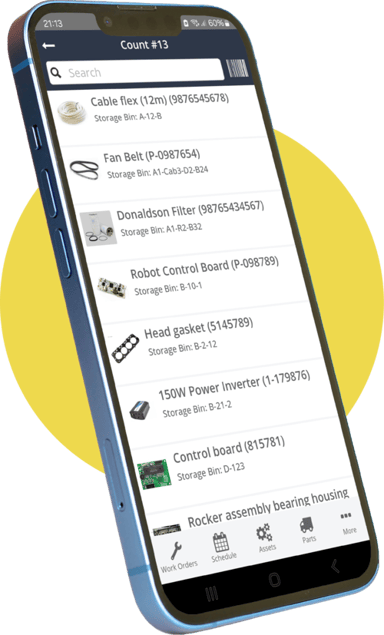
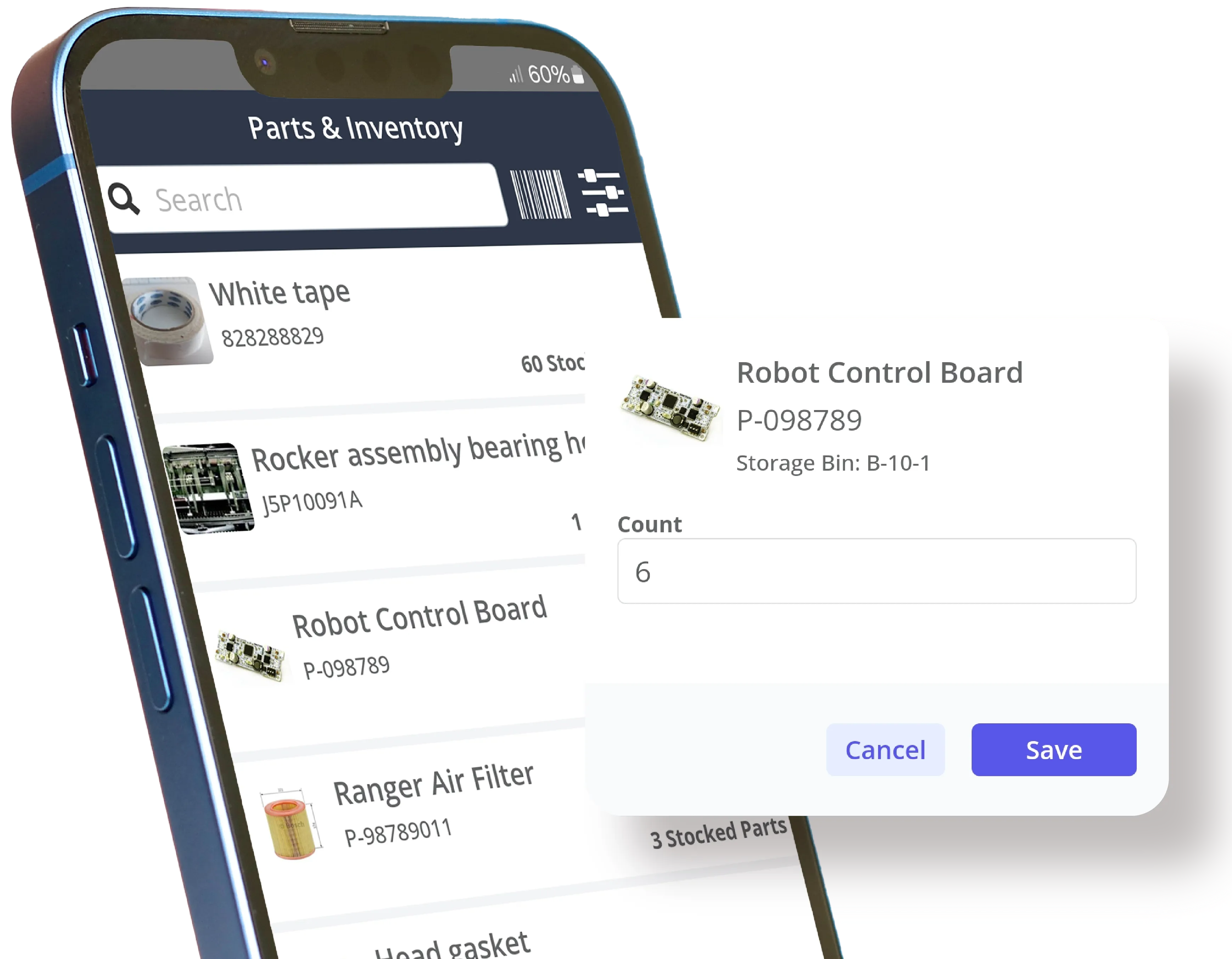
Organizing your equipment hierarchy is the foundation of clean, audit-ready data. Unlike legacy systems that just list machines, a modern approach links every sub-component to its parent asset.This means when a motor fails, you know exactly which assembly line is affected and what parts to pull from the crib. In 2026, 41% of professionals are already testing or using sensors to monitor these hierarchies in real-time. Scanning a QR code on the shop floor gives instant access to the Bill of Materials (BOM) and maintenance history.
This stupid simple access prevents technicians from searching through dusty manuals or outdated spreadsheets. If you're ready to stop the parts-room scavenger hunt, you can chat with a product expert to see how an organized system works in the real world.
Evaluating Plant Maintenance Software: Feature Lists vs. Operational Reality
Most plant managers get distracted by shiny feature lists during the buying process. They look at a matrix of three hundred checkboxes and assume more is better. This is a trap. In the real world, bloatware is a hidden tax on your productivity.
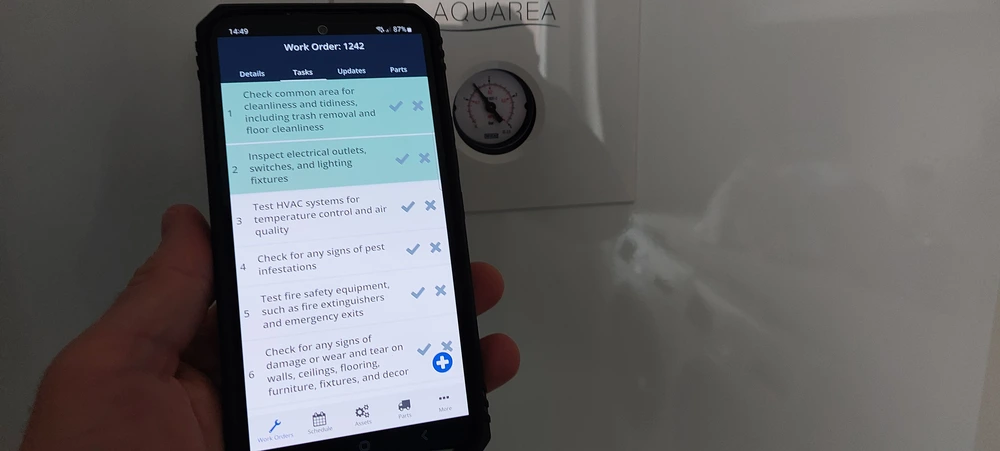
If a technician can't open an app and log a completed task in 30 seconds or less, they'll stop using it. This is the "Stupid Simple" litmus test. When software is too complex, your team reverts to paper or memory, and your data integrity vanishes.
You don't need a system that does everything; you need plant maintenance software that does the right things without getting in the way.
The debate between cloud-based and on-premise systems is effectively over in 2026. Cloud wins every time for multi-site operations spanning from Dublin to Toronto. It allows a regional manager to see real-time asset health across three continents while sitting in a home office. You also avoid the headache of local server maintenance or manual updates. Modern systems also prioritize integration over isolation.
Your CMMS should talk to your PLC data and sensors. Since more than a third of maintenance professionals now report extensive use of sensors, your software must be able to ingest that data to trigger automated work orders. This connectivity turns your maintenance hub into an active participant in your production cycle rather than just a digital filing cabinet.
The Truth About AI in Maintenance
AI is the biggest buzzword of 2026, with over two-thirds of maintenance teams planning to adopt it by December. However, you must distinguish between helpful automation and "AI fluff." Real value comes from algorithms that clean up your messy data or predict part failures based on actual run-hours. It’s about using practical information to realize your maintenance goals without the academic overhead.Don't buy a system for its "AI suggestions" if it can't even handle a basic PM schedule correctly. Predictive maintenance is powerful, but it only works if your foundational preventive maintenance is already solid.
Security and Scalability for Modern Plants
Enterprise-level security is no longer optional. Single Sign-On (SSO) is a non-negotiable requirement for any modern facility. It ensures that when a staff member leaves, their access to your critical asset data is revoked instantly across the entire organization. Scalability also means managing multi-site permissions with precision.A local technician in a Dublin plant should see a different dashboard than a global VP of Operations. This level of control ensures data integrity during high-stakes safety inspections or ISO 55000 audits. It keeps your logs clean, organized, and ready for scrutiny at a moment's notice.
The 4-Step Roadmap to a Successful Plant Software Rollout
Implementing new plant maintenance software isn't about flipping a digital switch. It's a strategic process that often fails if you try to automate existing chaos. Since 50% of organizations still rely on manual spreadsheets in 2026, the transition to a digital hub can feel overwhelming.
You need a roadmap that respects the reality of your shop floor. Start by auditing your data. If your current Excel sheets are disorganized, your new system will be too. Next, identify your "Champion Users."
These are the respected veteran technicians who know the machines better than the original manuals. If they find the system helpful, the rest of the team will follow their lead. Run a pilot phase on a single critical production line before you attempt to scale site-wide. Finally, maintain a tight feedback loop. Listen to the technicians with the greasy hands and adjust your digital workflows based on their real-world experience.
Data Migration Without the Headache
Structuring your CSV imports is the most boring but vital part of the rollout. You need clean columns for asset names, serial numbers, and part IDs to ensure a smooth transition.This data serves as the foundation for your first preventive maintenance program for high-value assets. If you import "garbage" data during this phase, you will get "garbage" results that your team won't trust. Focus on getting the manuals and safety procedures right for your most critical machinery first. A successful rollout of plant maintenance software requires a clean start with accurate, verified information.
Training and Team Adoption
A mobile maintenance app is your best tool for winning over a skeptical team. It slashes the administrative burden by letting technicians log work while they stand directly in front of the machine. You must address the "fear of being tracked" head-on.Explain to your staff that the data isn't for micromanagement; it's for proving they need more resources or a better spare parts inventory. You can even gamify the process by using reporting to recognize the team that hits 100% PM compliance each month.
This builds a culture of proactive reliability rather than reactive stress. If you want to see how to make this transition work for your facility, you can book a demo with a product expert to get started.
Why Zoidii is the Straight-Shooting Choice for Plant Managers
Zoidii isn't just another plant maintenance software provider. We reject the corporate bloat that makes other systems unusable for the people who actually do the work. Our core philosophy is built on being "stupid simple." We designed our platform specifically for the frontline. It's for the technician with greasy hands on a loud plant floor who needs to get the job done right now.
You don't have time to navigate five menus just to close a work order or check a spare part. Whether you're managing 50 assets or 5,000, our cloud-based system scales with you without adding unnecessary layers of technical friction. We focus on reliability and authority, giving you a clear, calm path toward operational order.
This commitment to a professional, organized environment should extend from the shop floor to the front office.
Realize Your Goals with Zoidii
Plants in Ireland and Canada face increasingly strict safety and compliance standards. For instance, by July 1, 2026, manufacturers selling in specific regions like Minnesota must disclose product-specific PFAS details.Zoidii ensures your maintenance logs are clean and audit-ready for these types of regulatory shifts. Our Kanban maintenance board provides a visual overview of your entire facility, so you never lose track of a critical PM.
You can also simplify contractor management using guest work order requests. This allows external teams to report issues or log repairs without needing a full system license. It keeps your operations organized and your data centralized in one reliable hub.
Next Steps: Book a Demo with a Product Expert
When you book a demo, you won't talk to a sales rep reading from a script. You'll chat with a product expert who understands the reality of a production line. We provide a no-fluff walkthrough focused on solving your specific facility pains.We'll even help you create a custom ROI projection based on your current downtime costs and labor hours.
With Zoidii's Professional tier priced at $55 per user as of February 2026, the path to organized maintenance is clear and affordable. We've stripped away the fluff to provide a tool that simply works for your team. It's time to see Zoidii in action and stop the maintenance headache today.
Take Control of Your Facility Reliability Today
You've seen the data. Unplanned downtime still bleeds $260,000 per hour from industrial budgets in 2026. Choosing the right plant maintenance software is no longer just about tracking work orders; it's about survival in a landscape where 50% of your competitors are still drowning in manual spreadsheets.
You now have the roadmap to audit your data, identify your champions, and implement a system that your technicians will actually use every shift.
Zoidii stands as the #1 cloud-based CMMS because we prioritize simplicity over corporate fluff. We're trusted by industrial plants worldwide to deliver a tool that works for the frontline.
When you're ready to stop the maintenance headache, you can talk directly to an expert who knows the shop floor, not a sales rep with a script. It's time to realize your goals and bring order to your facility.
Book a Demo with a Zoidii Product Expert today and see how easy it is to kill downtime for good. Operational order is closer than you think.