
What You Will Learn:
- How to Set Maintenance Goals – Focus on reducing downtime, extending equipment life, and improving safety.
- How to Create a Plan – Schedule regular tasks based on equipment needs and assign responsibilities.
- How to Execute and Track – Implement the plan, train staff, and monitor results for ongoing improvement.
What is Preventive Maintenance?
Preventive maintenance (PM) is a crucial process that ensures your assets are in good condition and operating at peak performance. It can help you reduce equipment downtime, increase productivity, and save money in the long run. This comprehensive guide will walk you through the steps needed to start a successful preventive maintenance program in your organization.
Ultimate Guide Planned Preventive Maintenance Programs
Preventive maintenance (PM) is a proactive approach to equipment maintenance that involves performing regular maintenance activities to prevent equipment failure and downtime. A well-executed PM program can help organizations reduce costs, increase equipment lifespan, and improve reliability. In this guide, we’ll walk you through the steps to implementing a successful PM program.
How to Do Preventive Maintenance
The first step in implementing your PM program is to set clear goals that align with your overall preventive maintenance strategy.Setting SMART Goals for Your Preventive Maintenance Strategy
Decide what you want to achieve with your program. Do you want to reduce equipment downtime, increase asset lifespan, or improve equipment reliability? Whatever your goal is, make sure it’s specific, measurable, achievable, relevant, and time-bound (SMART).For instance, if your goal is to reduce equipment downtime, you can set a target of achieving a 10% reduction in downtime within the next 6 months. This goal will help you stay focused and motivated as you implement your PM program.
Taking Inventory of Your Assets: A Key Step in Your Preventive Maintenance Plan
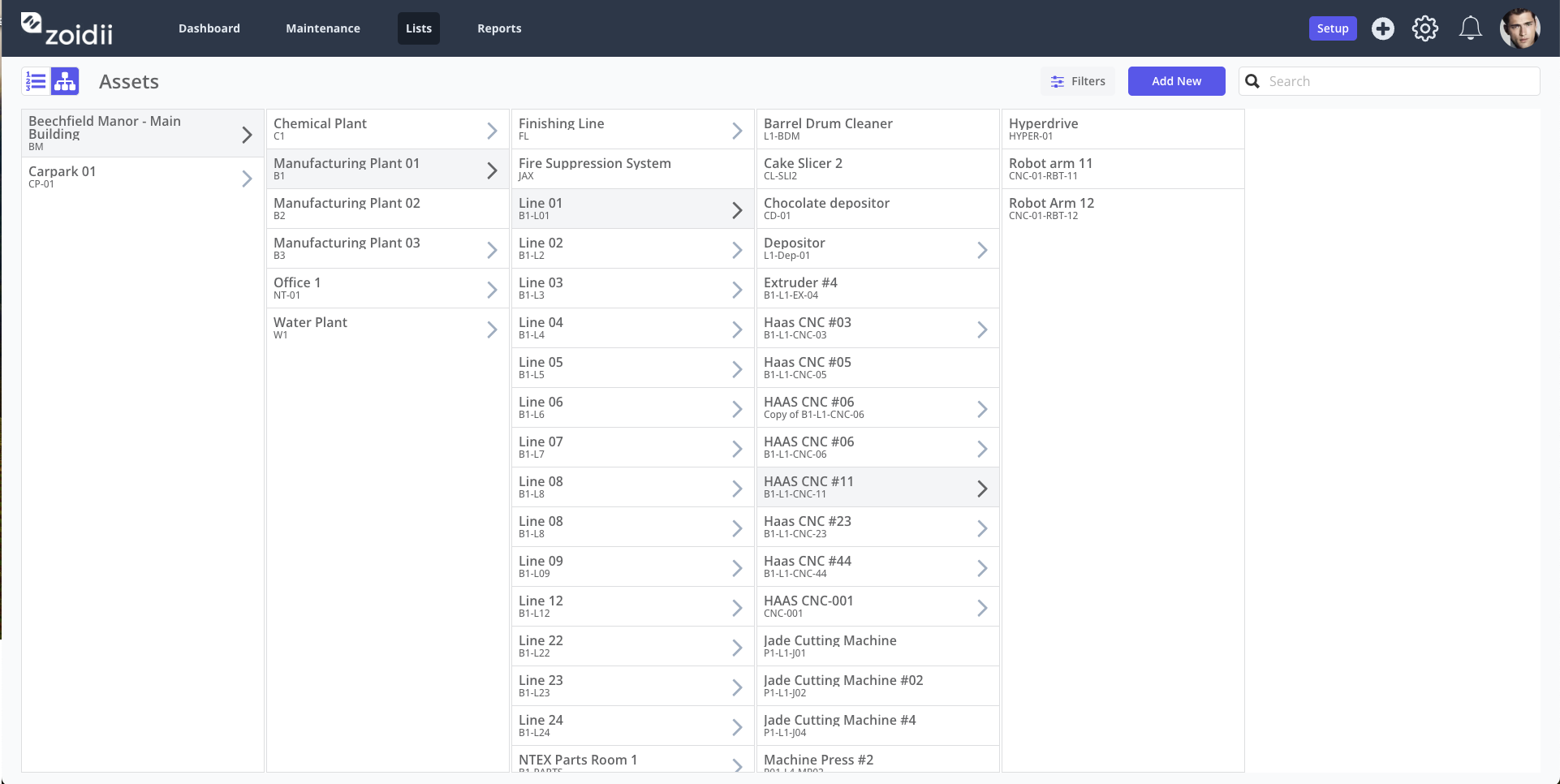
Once you’ve set your goals, the next step in any preventive maintenance plan is to take inventory of your assets.
Identify all the equipment and machines you want to include in your PM program and record their make, model, and serial numbers. This inventory serves as the foundation for prioritizing critical assets when designing a comprehensive preventive maintenance plan.
You may also want to classify your assets based on their criticality level. Critical assets are those that have a high impact on your business if they fail. Examples of critical assets include production machines, HVAC systems, and data centers. By classifying your assets, you can prioritize your PM efforts and allocate resources accordingly.
Conducting a Criticality Analysis for Effectivity Preventive Maintenance
After taking inventory, you need to conduct an asset criticality analysis. This process helps you determine which assets are the most important to your organization. It enables you to prioritize your PM efforts based on the impact of asset failure on your business.
To conduct a criticality analysis, you need to consider the following factors:
- The asset’s function and role in your business
- The asset’s age and condition
- The asset’s reliability and failure history
- The asset’s replacement cost and availability
Choosing the Right KPIs for Your Preventive Maintenance Program
The next step is to choose the right Key Performance Indicators (KPIs) to measure the success of your PM program. KPIs are metrics used to track and evaluate the performance of your program.
Some examples of preventive maintenance KPIs include Mean Time Between Failures (MTBF), Mean Time To Repair (MTTR), and Overall Equipment Effectiveness (OEE). By selecting the right KPIs, you can monitor the effectiveness of your PM program and make data-driven decisions.
Determining the Ideal PM Ratios for Your Assets
One important decision you need to make is how often to perform preventive maintenance on your assets. This decision depends on several factors, such as the asset’s age, condition, and criticality level.
To improve your planned maintenance percentage, consider data-driven adjustments to your maintenance schedule based on historical performance and equipment needs.
You can determine the ideal PM ratio for an asset by looking at its recommended maintenance schedule, its failure history, and its operational data. The PM ratio is the number of times you perform preventive maintenance on an asset in a given period. By optimizing your PM ratios, you can reduce downtime and extend the lifespan of your equipment.
How to Schedule Preventive Maintenance for Maximum Efficiency
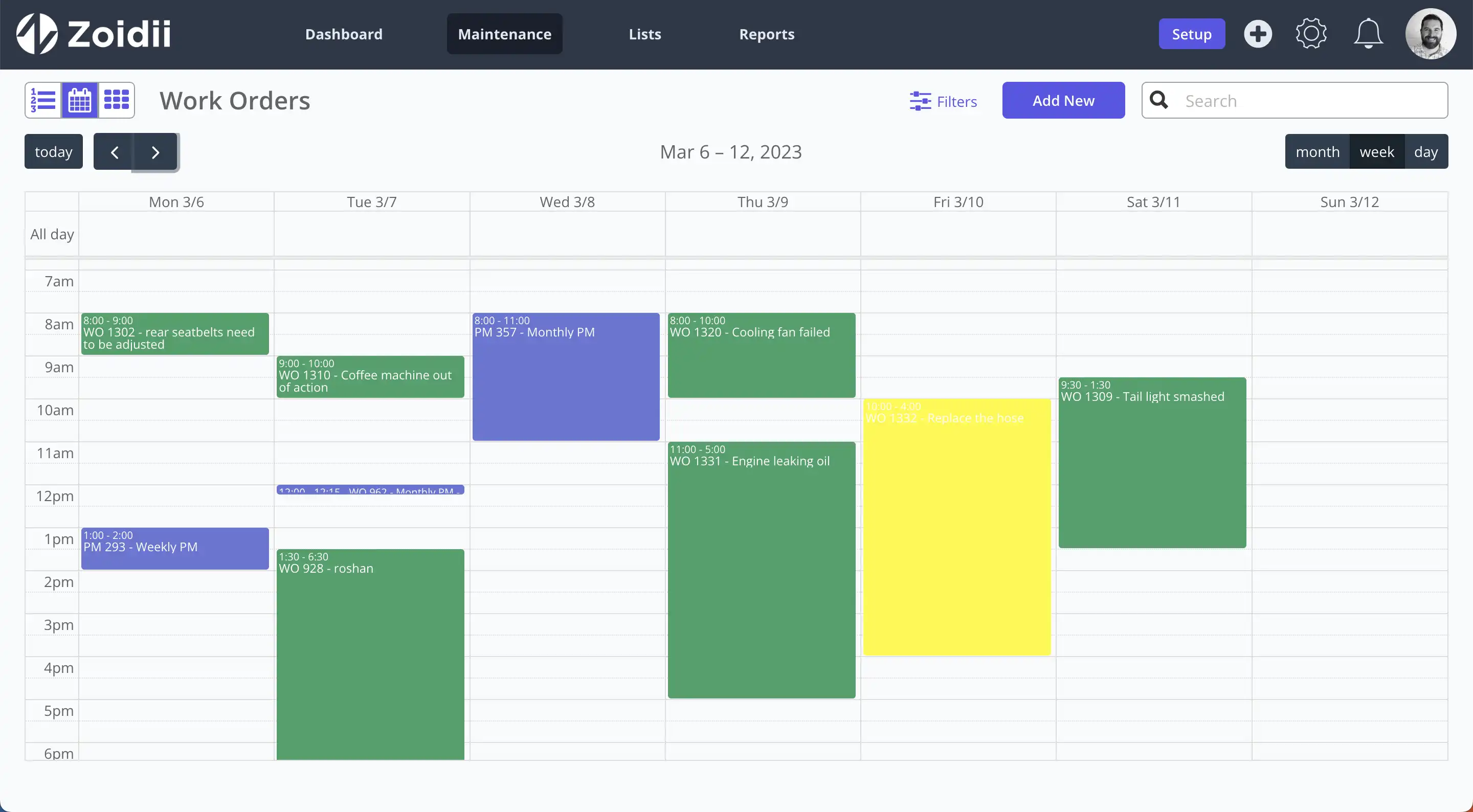
Once you’ve determined the PM ratios for your assets, you can create a preventive maintenance schedule. You need to consider several factors when scheduling equipment preventive maintenance activities, such as equipment availability, staff workload, and business priorities.
It’s also essential to communicate the PM schedule to all stakeholders, including equipment operators, maintenance technicians, and supervisors. This ensures everyone is on the same page and can plan accordingly.
By following best practices for scheduling preventive maintenance, you can minimize disruption to your operations and maximize the benefits of your PM program.
Training Your Team for Successful Preventive Maintenance Tasks
Your maintenance management program is as good as those operating and maintaining your assets. Therefore, training your team for PM success is crucial, ensuring they are equipped to handle corrective maintenance when necessary.
Train them on how to use the PM software, perform maintenance activities correctly, and report and track equipment issues.
You may also want to incentivize good PM behavior by rewarding employees who meet or exceed the PM targets you’ve set. By investing in your team’s training and development, you can ensure the long-term success of your PM program.
Monitoring and Improving Your Preventive Maintenance Program: Key Metrics to Track
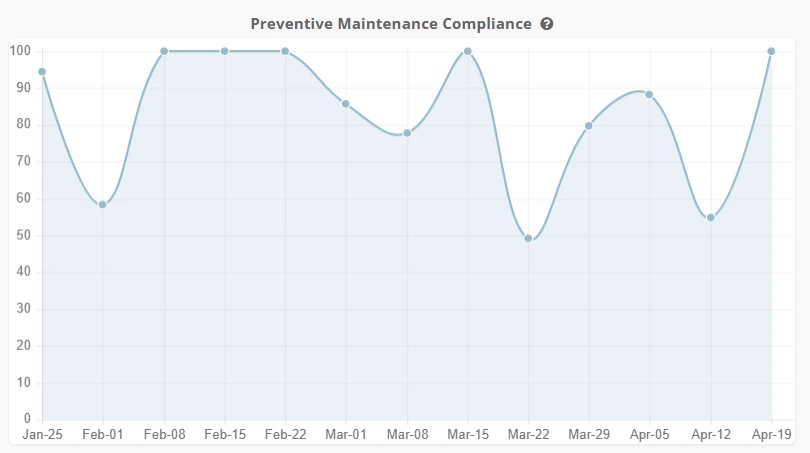
Finally, you need to monitor the success of your preventive maintenance strategy regularly. Track the KPIs you’ve selected and analyze the data using preventive maintenance software to identify trends and areas for improvement.
Recognizing the preventive maintenance cost implications can help you make more informed adjustments to your strategy as your program evolves.
For example, if you notice increased equipment downtime, you may need to adjust your PM ratios or upgrade your assets. Conversely, if you see an improvement in asset reliability, you may want to recognize your team’s efforts and reward them accordingly.
By monitoring the success of your PM program, you can continuously improve and optimize your maintenance activities.
Building an Effective Preventive Maintenance Strategy
Starting a successful maintenance strategy requires careful planning and execution. By following the steps we’ve outlined in this guide, you can create a robust and effective PM program that helps your organization reduce unplanned downtime and avoid high repair costs.
Remember to set clear goals, take inventory of your assets, conduct a criticality analysis, choose the right KPIs, determine the PM ratios, schedule maintenance activities, train your team, and monitor your program’s performance.
With these steps in place, you can increase productivity, reduce downtime, and save money in the long run.