
Industrial maintenance is the unseen force that keeps plants, mines, utilities, and factories running well and making money. When done right, no one notices. Machines hum, product quality remains steady, schedules stick, and energy bills stay low.
When done poorly, breakdowns affect production. Delivery dates slip, safety risks increase, and margins shrink.
This guide walks you through the essentials: what industrial maintenance is, how to choose the right strategies, the tools and roles involved, how to measure performance, and where the field is heading next.
Key Takeaways:
- Treat maintenance as a risk-based portfolio. Match reactive, preventive, condition-based, and predictive tactics to each asset’s criticality and failure modes—there’s no one-size-fits-all strategy.
- Plan, then schedule—religiously. Well-planned work (clear scope, parts, permits, LOTO) is safer and 2–3× faster; aim for >80% planned work and keep a healthy, prioritized backlog in your CMMS/EAM.
- Shift from time-based to evidence-based. Replace “check-the-box” PMs with CBM/PdM where you have good signals (vibration, temperature, oil analysis), starting with the most critical rotating equipment.
- Safety and reliability go together. LOTO, permits, PPE, and operator care (autonomous maintenance) reduce incidents and catch defects early—never trade safety for speed.
- Measure a few metrics that drive behavior. Track uptime/availability, MTBF/MTTR, PM/PdM and schedule compliance, and maintenance cost vs. RAV; use RCA to eliminate bad actors and continuously improve.
What Is Industrial Maintenance?
Industrial maintenance is all about keeping physical assets running smoothly. It includes tasks that prevent failures, fix issues, and enhance reliability. This includes pumps, motors, conveyors, boilers, CNC machines, and plant utilities such as compressed air and HVAC.
The objectives are straightforward:
- Maximize uptime and throughput
- Protect people and the environment
- Preserve asset life and value
- Control maintenance cost without sacrificing reliability
- Sustain product quality and compliance
The Four Core Strategies
1) Reactive (Run-to-Failure)
- What it is: Do nothing until an asset fails, then fix it.
- When it fits: Low-cost, non-safety-critical items with trivial downtime impact (e.g., small fans, some lighting).
- Risks: Unplanned downtime, secondary damage, overtime labor, and safety exposure if applied to the wrong assets.
- Takeaway: Reactive isn’t “bad”—it’s just a conscious choice that should be limited to truly low-risk equipment.
2) Preventive (Time- or Usage-Based)
- What it is: Scheduled inspections and part replacements at defined intervals (e.g., every 1,000 hours or quarterly).
- When it fits: Assets with predictable wear patterns (belts, filters, lubrication cycles) or required inspections.
- Risks: Over-maintenance (replacing healthy parts early), excessive labor if intervals are too conservative.
- Takeaway: Still the backbone of most programs; the trick is right-sizing the interval using data.
3) Condition-Based (CBM)
- What it is: Maintenance triggered by measured condition thresholds—temperature, vibration, contamination, pressure drop, etc.
- When it fits: Assets with measurable degradation signals and moderate-to-high criticality (gearboxes, bearings, rotating equipment).
- Risks: Requires sensors, skill to interpret data, and workflows to act quickly when a condition triggers.
- Takeaway: CBM bridges the gap between preventive and predictive—often the best ROI for many plants.
4) Predictive (PdM)
- What it is: Use analytics and models—sometimes AI/ML—to forecast failure before it occurs.
- When it fits: High-value, high-impact assets (turbines, presses, extruders) where downtime is expensive.
- Risks: Upfront investment, data quality needs, and change management.
- Takeaway: PdM is powerful, but success depends on clean data, aligned work processes, and clear response plans.
Building Your Maintenance Program: A Practical Roadmap
1. Inventory Your Assets
Create a living asset registry that includes nameplate data, location, manufacturer, spare parts, warranty status, and safe work instructions. Tag each asset.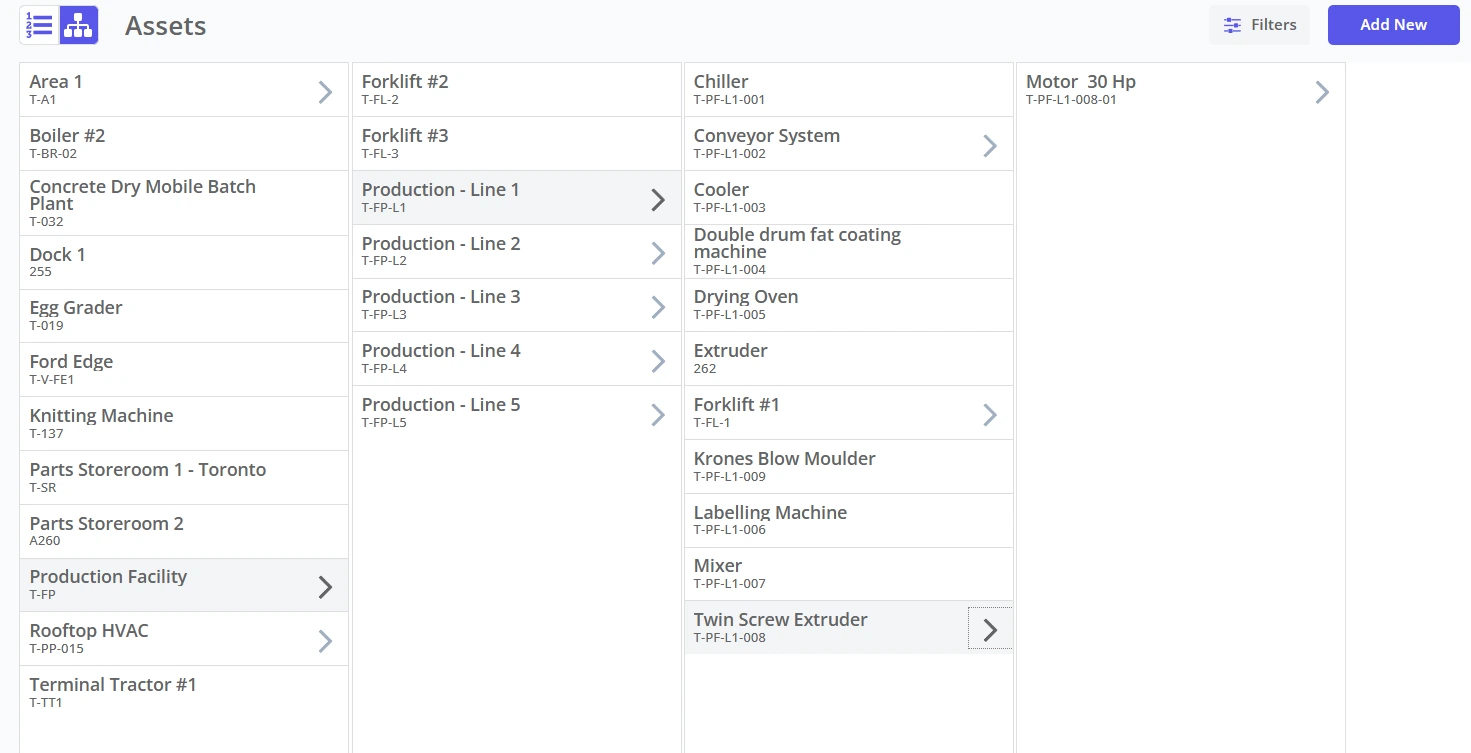
2. Assess Criticality
Rank equipment by safety, environmental, production, and quality impact. Add maintainability (how hard it is to fix) and detectability (how easy it is to spot degradation) to fine-tune priorities.3. Map Failure Modes
For top-critical assets, use Failure Modes and Effects Analysis (FMEA). Identify how each asset fails, the likely causes, and the earliest detectable symptoms. This sets the stage for intelligent maintenance tasks.4. Select the Right Strategy per Asset
Blend reactive (low risk), preventive (known wear), CBM (measurable degradation), and PdM (high stakes). There is no virtue in being 100% predictive; the virtue is in being appropriately selective.5. Plan & Schedule Work
Use a weekly planning cycle. A planner scopes tasks, parts, permits, and estimated hours; a scheduler aligns labor with production windows. The golden rule: planned work is safer, faster, and cheaper than unplanned work.6. Create Job Plans & Procedures
Standardize steps, torque values, tolerances, photos, and lockout/tagout (LOTO) details. Pair each plan with the required PPE and special tools. Clear job plans reduce variability and rework.7. Implement a CMMS/EAM
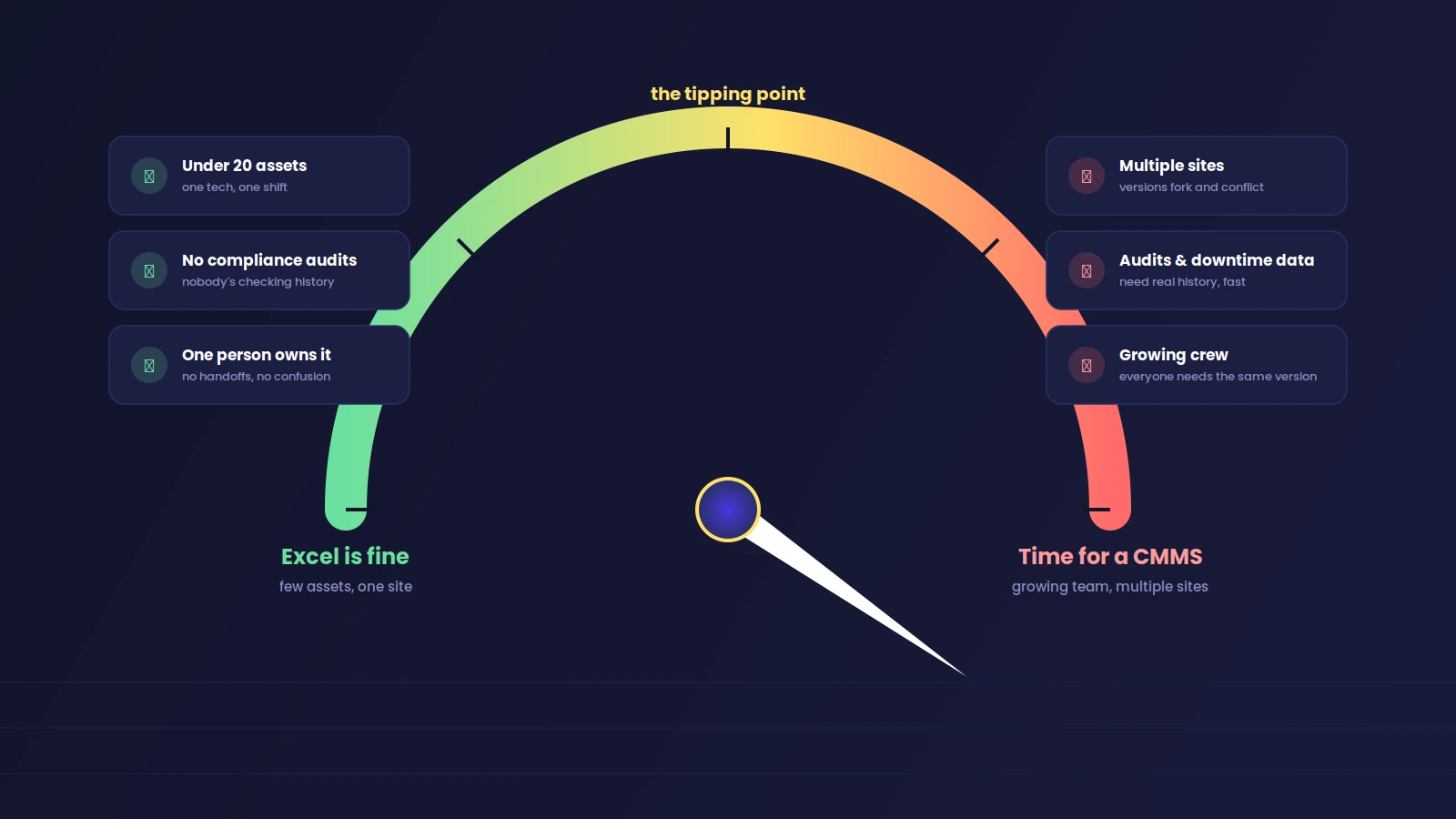
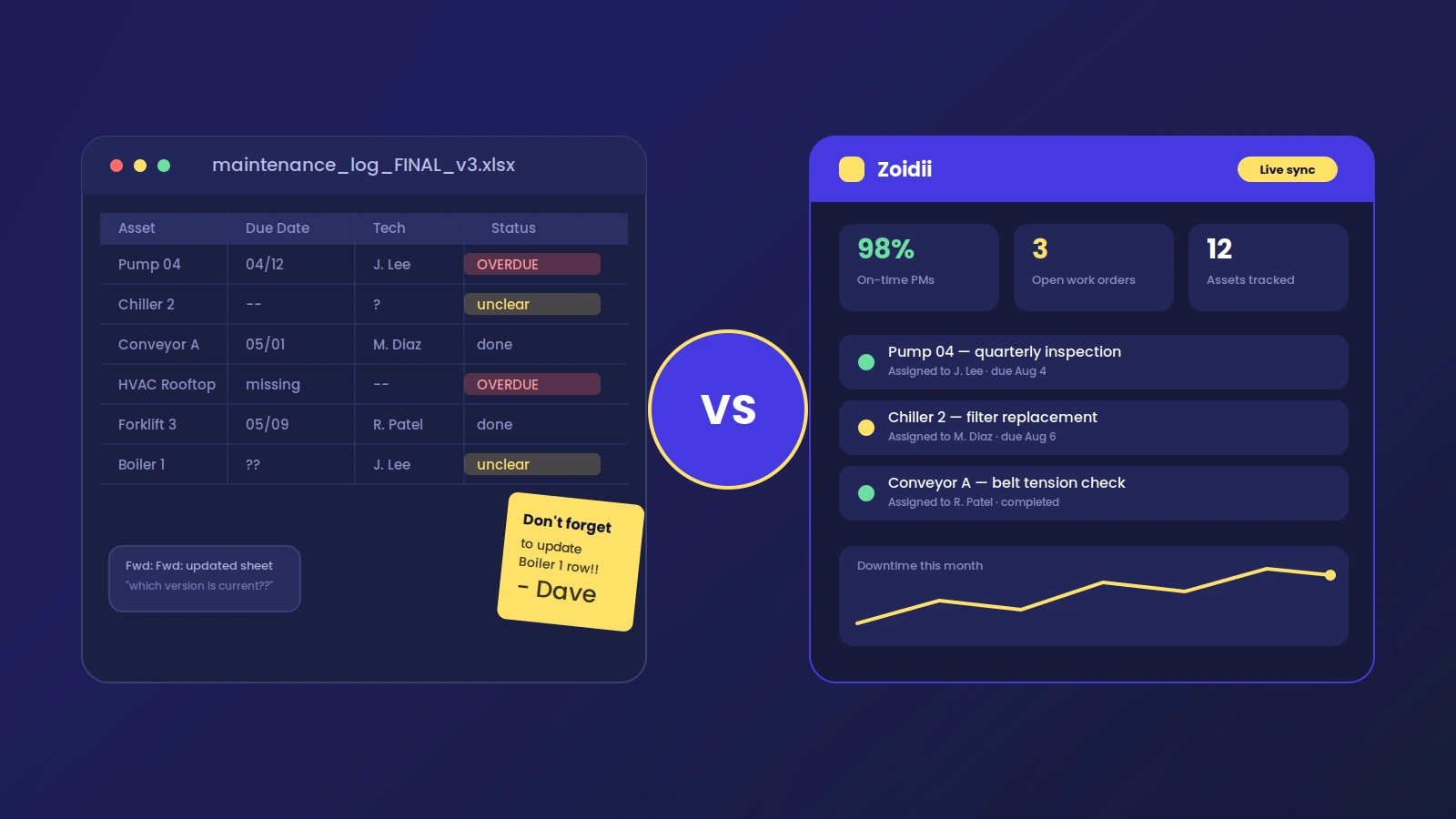
A Computerized Maintenance Management System (or Enterprise Asset Management system) is where work orders, asset history, spares, and KPIs live. Configure it to reflect your processes (not the other way around).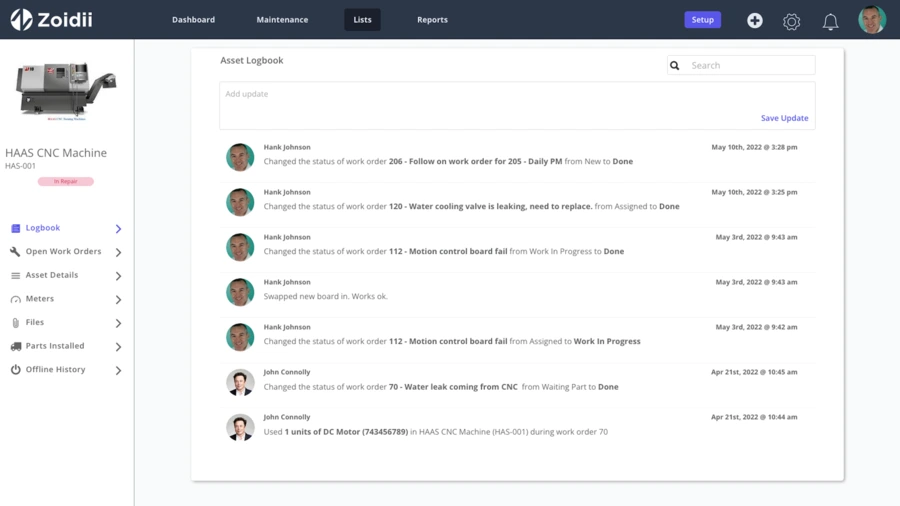
8. Stock the Right Spares
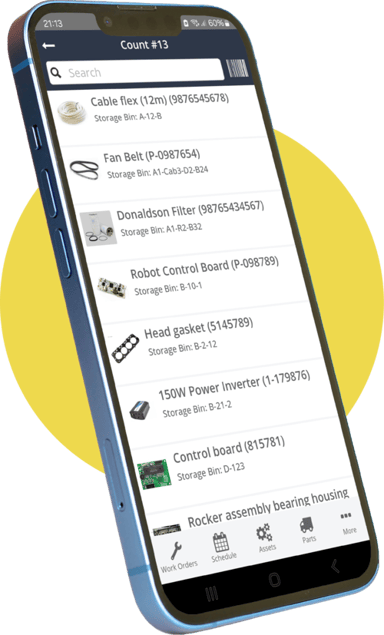
Classify parts by criticality and lead time. Hold insurance spares (long-lead, high-impact components) and maintain min/max levels for consumables. Organize storerooms with barcoding and cycle counting.9. Train the Team
Cross-train technicians, upskill in vibration/thermal/ultrasonic techniques, and teach planners root cause analysis, shift handovers, and documentation—matter as much as wrench time. 10. Measure, Learn, Improve
Use KPIs (below) to drive a cadence of reviews. Celebrate wins; adjust plans when reality disagrees with theory. Reliability is a journey, not a project.People and Roles
- Maintenance Technicians: Execute inspections, lubrication, repairs, and rebuilds. Multiskilled techs (mechanical + electrical) raise flexibility.
- Maintenance Planners/Schedulers: Convert strategies into executable work, ensuring materials, permits, and time windows are ready before the job.
- Maintenance Supervisors/Managers: Coordinate resources, remove blockers, enforce safety and quality standards, and manage budgets.
- Reliability Engineers (REs): Focus on chronic problems, data analysis, and program design—FMEAs, RCA, PdM, spares strategy, and KPIs.
- Operations Partners: Operators are the eyes and ears. Autonomous maintenance (basic cleaning, inspection, and tightening by operators) catches early issues.

Tools and Technologies You’ll Use
- Traditional Tools: Precision hand tools, torque wrenches, dial indicators, alignment systems, and calibration gear.
- Diagnostic Instruments:
- Vibration analyzers for bearings, misalignment, and imbalance.
- Infrared thermography for electrical hot spots and insulation issues.
- Ultrasonic testers for air leaks and steam traps.
- Oil analysis for contamination and wear metals.
- CMMS/EAM: Work management, asset history, inventory, vendor management, and mobile work orders.
- IoT/Edge Sensors: Permanent monitoring of temperature, vibration, power, and pressure for CBM/PdM.
- Mobile & AR: Tablets for procedures and data entry; AR for guided repairs and remote expert support.
- Drones/Robotics: Inspect roofs, stacks, tanks, and confined spaces without putting people at risk.
Safety and Compliance: Non-Negotiable
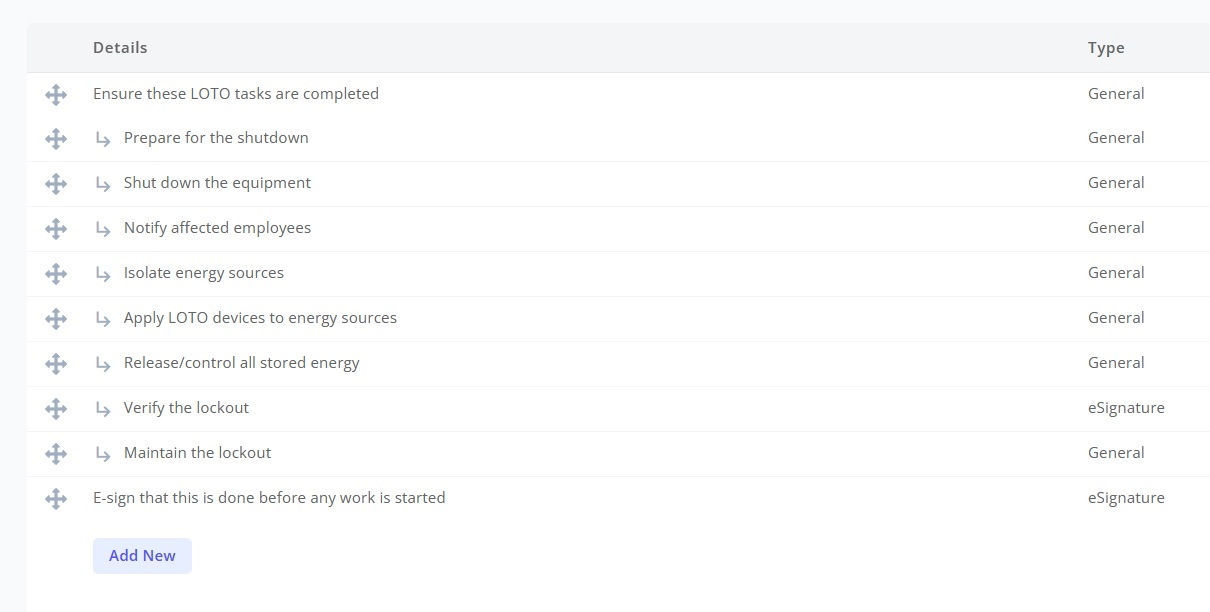
- Lockout/Tagout (LOTO): Verified isolation of all energy sources before work.
- Permits to Work: Hot work, confined space, and electrical permits with defined controls.
- PPE & Ergonomics: Task-specific PPE and lifting/positioning aids to avoid injuries.
- HazCom: Up-to-date MSDSs, labeling, and training for chemicals and lubricants.
- Regulatory Inspections: Pressure vessels, hoists, and safety instrumentation systems often require formal inspections and documentation.
- Emergency Preparedness: Clear response plans for fire, arc flash, spills, and ammonia or other refrigerant releases.
Planning, Scheduling, and Work Control
- Planning Quality: A “planned” job has a scope, steps, time estimate, parts, tools, and permits. Good planning raises wrench time from ~30–35% toward 50%+.
- Backlog Health: Maintain a ready-to-schedule backlog of ~2–4 weeks of crew capacity. Too little backlog indicates firefighting; too much means deferred risk.
- Priority Codes: Tie priority to risk and consequence, not loudness. A leaking seal on a low-critical pump isn’t “Priority 1” because it’s messy.
- Weekly Scheduling Meeting: Align with operations on access windows, changeovers, and major jobs. Publish a frozen weekly schedule and a flexible daily plan.
- Work Closeout: Capture failure codes, cause, action taken, and time. Photos and meter readings add diagnostic value to the history.
Spare Parts and MRO Excellence
- Standardize Where Possible: Reduce variations in bearings, seals, and drives to simplify stocking.
- Criticality Matrix: Combine part criticality with supplier lead time to decide stocking strategy.
- Kitting: Pre-pick and stage all parts for a job before the work starts.
- Quality Control: Inspect incoming parts, especially bearings and electronics; store to manufacturer specs (clean, dry, temp-controlled).
- Supplier Partnerships: Share forecasts, agree on consignment stock for slow-moving but critical items, and develop rapid repair/exchange programs.
Measuring What Matters: KPIs and Reliability Metrics
- Availability/Uptime: Percent of time the asset is capable of production.
- MTBF (Mean Time Between Failures): Average operating time between inherent failures—track by asset class.
- MTTR (Mean Time to Repair): Average time it takes to repair a system. It is a vital metric for any organization where equipment uptime impacts revenue.
- Planned vs. Unplanned Work: Aim for more than 80% planned work over time.
- Schedule Compliance: Percentage of scheduled tasks completed in the period—target ~80–90% for realism.
- PM/PdM Compliance: On-time completion of preventive and condition-based tasks.
- Maintenance Cost: Total maintenance cost as a percentage of Replacement Asset Value (RAV); world-class often sits around 2–3%, but context matters.
- Backlog Age: Average days jobs sit in backlog; rising trends signal capacity or planning issues.
- Overall Equipment Effectiveness (OEE): Product of availability, performance, and quality—useful at line or area level.
Root Cause Analysis (RCA): Fix the Real Problem
When a failure matters, pause and learn. Use a structured method—5 Whys, fishbone (Ishikawa), or Apollo—to separate symptom from cause. Look at:
- Physical causes: Worn bearing due to misalignment.
- Human factors: Inadequate training or rushed procedures.
- Systemic causes: Poor design, lack of guards, insufficient lubrication intervals, or missing feedback loops.
Digital Transformation: From CMMS to AI/AI-Enabled CMMS
- Connected Sensors: Affordable, battery-powered sensors stream vibration and temperature to dashboards, enabling CBM at scale on motors and gearboxes.
- Analytics & AI: Algorithms spot anomaly patterns earlier than humans. Start simple (thresholds) and evolve toward models that consider load, ambient conditions, and operating context.
- Digital Twins: Virtual representations of critical assets allow what-if analysis and scenario testing. Useful for turbines, kilns, and large continuous-process equipment.
- Mobile Workflows: Technicians receive work orders, procedures, and drawings on tablets; close work orders with photos and structured codes.
- AR/Remote Assist: Live expert support reduces mean time to repair and helps train junior techs quickly.
Cost Control Without Cutting Reliability
- Target Chronic Losses: A handful of bad actors usually cause most downtime.
- Increase Planning Maturity: Planned jobs are 2–3× faster and safer than emergency work.
- Right-Size PMs: Eliminate “check-the-box” tasks that never find defects; replace with CBM where feasible.
- Energy as a Maintenance Metric: Misalignment, clogged filters, and poor lubrication waste power. Fixing them cuts both downtime and utility bills.
- Contracting Strategy: Utilize vendors for specialized rebuilds or peak workloads, while maintaining in-house knowledge of critical assets.
Common Pitfalls (and How to Avoid Them)
- Everything is Priority 1: Leads to chaos. Enforce risk-based prioritization.
- Data Graveyard CMMS: If techs can’t quickly enter good data, they won’t. Simplify work order fields and failure codes.
- Over-PMing: Too many time-based tasks drive cost without improving reliability. Use condition triggers where possible.
- Tooling and Access Neglected: Jobs stall due to the lack of a puller or scaffold. Plan access and special tools explicitly.
- No Feedback Loop: If inspection findings don’t become planned work, your PMs are theater. Route all defects into the backlog with clear coding (follow on work orders).
Quick Case Example
A beverage plant experienced recurring unplanned stoppages on its filling line, primarily caused by gearbox failures. The team:
- Performed an FMEA and found misalignment and lubrication contamination as primary failure modes.
- Introduced laser alignment and sealed bearing housings, added vibration sensors, and trained operators on daily checks.
- Converted monthly gearbox PMs to condition-based tasks with alarm thresholds.
- Standardize spares across three lines to a single gearbox model.
Frequently Asked Questions
How do I decide where to start? Begin with a criticality assessment and a list of “bad actor” assets (highest downtime or maintenance spend). Fixing the top ten often yields outsized wins.
Do small plants really need PdM? Not always. Many achieve great results with well-planned PMs + selective CBM on critical rotating equipment. Add PdM when the economics support it.
What’s the difference between CBM and PdM? CBM acts when a measured parameter crosses a threshold. PdM forecasts failure ahead of that threshold using patterns, models, or AI.
What’s a realistic target for planned work? If you’re at 30–40% today, aim for 60% in a few months and 80%+ over time, supported by planning discipline and steady backlog health.
The Bottom Line
Industrial maintenance is not merely about fixing what breaks—it’s an integrated system of people, processes, and technology that protects safety, productivity, and profit. The best programs:
- Use risk-based strategies per asset, not blanket rules.
- Plan and schedule the majority of work.
- Leverage CBM/PdM where it truly pays.
- Maintain a clean CMMS and act on data.
- Invest in skills and culture, not just sensors.