
A Computerized Maintenance Management System (CMMS) is an essential tool for any facility that relies on machinery or equipment. Maintenance management software can help plants maintain efficient equipment operation and reduce the risk of failures, downtime, and accidents.
However, only some employees in the facility need access to the CMMS. So, who should have access to your CMMS? Let's take a closer look.
Deciding who should access your CMMS
Facilities differ hugely depending on the industry. The type of facility you manage determines which roles require access. Some general roles should have access to your CMMS system, they are:
1. Maintenance Personnel
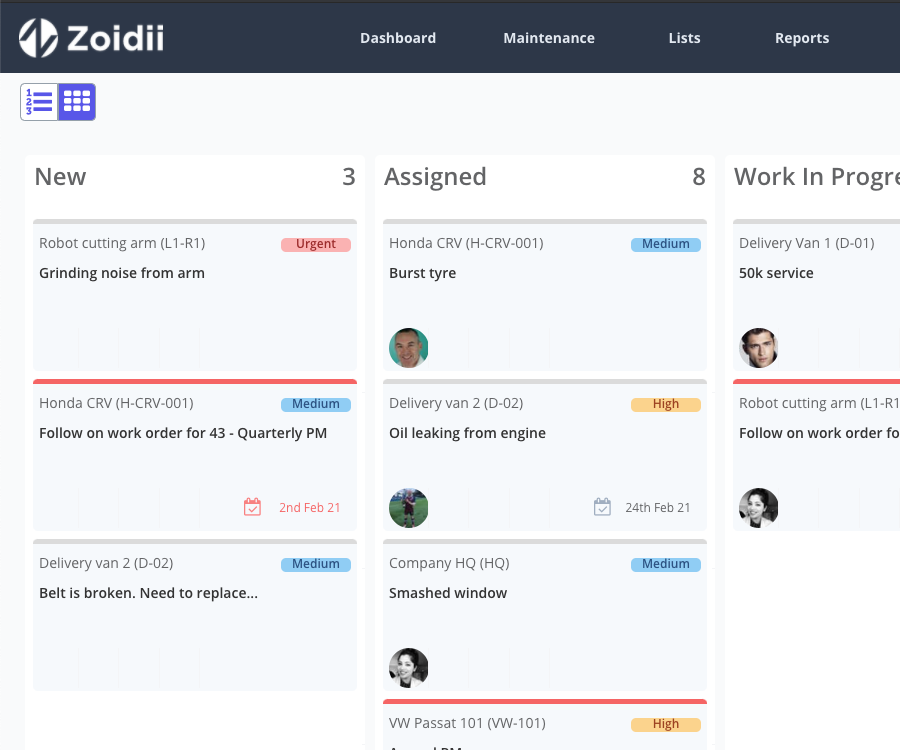
Maintenance personnel, including technicians, mechanics, and CMMS coordinators, require access to the CMMS system to manage the maintenance of equipment, machinery, and facilities.These individuals can view work orders, track asset maintenance history, and receive notifications when maintenance is due. This ensures that equipment is maintained correctly, reducing the risk of breakdowns and downtime.
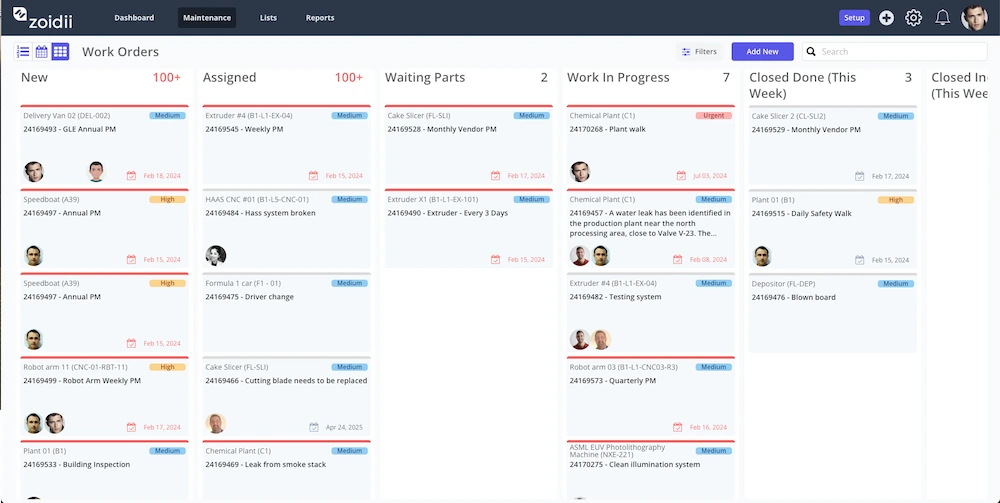
Maintenance managers and supervisors should have higher-level access to oversee maintenance operations. They handle scheduling, equipment replacement, and resource allocation. They can also assign tasks, track progress, and ensure work orders are completed on time.
Additionally, supervisors and managers can use the data collected in the CMMS system to make informed decisions about maintenance schedules, equipment replacement, and resource allocation.
2. Plant Managers
Plant Managers are responsible for ensuring that the manufacturing plant operates efficiently and that all equipment is properly maintained. Access to a comprehensive CMMS enables them to optimize facility performance through data-driven decision-making.1. Organizing Preventive Maintenance
Plant Managers use the CMMS to organize preventive maintenance schedules in conjunction with production timelines, thereby reducing disruptions and ensuring smooth operations. This helps to reduce the risk of breakdowns and downtime, which can be costly for the facility.
2. Analyzing Maintenance Data
Access to CMMS software allows Plant Managers to generate data-driven reports for top management. They can identify trends and patterns in equipment performance, maintenance costs, and downtime. This information can be used to make informed decisions about whether to repair or replace equipment.3. Monitoring Staff Performance
They effectively manage their staff by tracking maintenance task completion and efficiency, ensuring their facility runs smoothly and efficiently.3. Health and Safety Managers
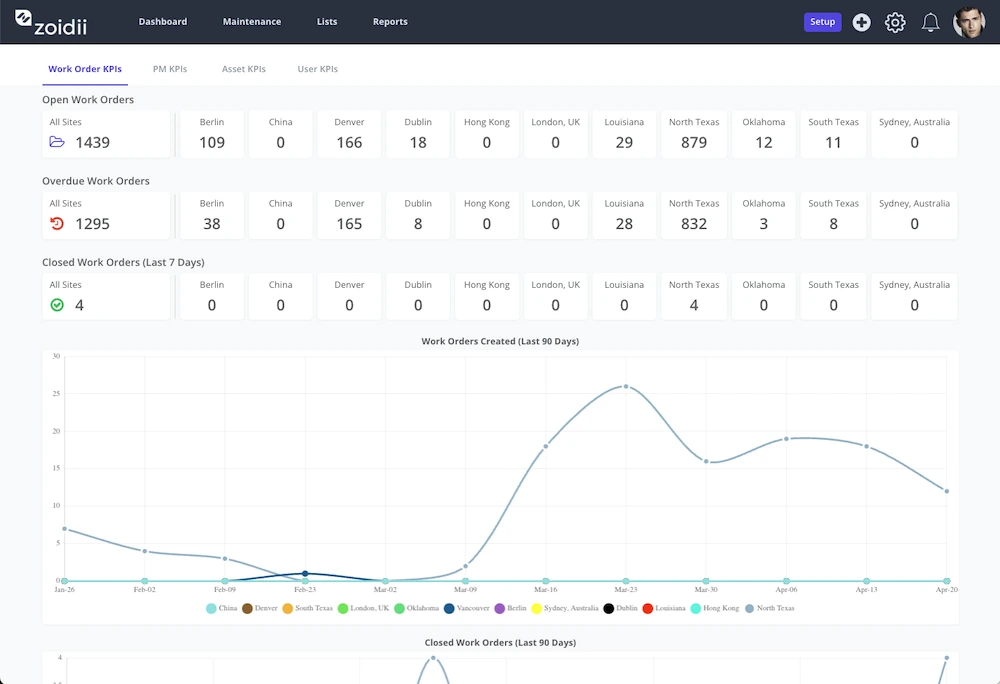
The Health and Safety Managers focus on maintaining a safe facility. They may require access to the CMMS software to ensure any maintenance work, whether planned or unplanned, is done safely.They can also ensure that safety procedures, such as lockout/tagout or confined space checklists, are automatically added to work orders, allowing teams to conduct them safely.
The CMMS allows them to monitor safety schedules, tasks, and work orders while providing output for compliance metrics and audits.
4. Reliability Engineers
Reliability Engineers utilize the CMMS software to establish preventive maintenance programs that cover inspections, analysis, and maintenance activities.They will assess the equipment's requirements to determine the most suitable maintenance intervals, tools, and spare parts required.
The maintenance team and the engineers work together to optimize the equipment's performance and identify ways to improve uptime. This results in an increased equipment lifespan and higher overall equipment effectiveness.
5. Inventory Managers
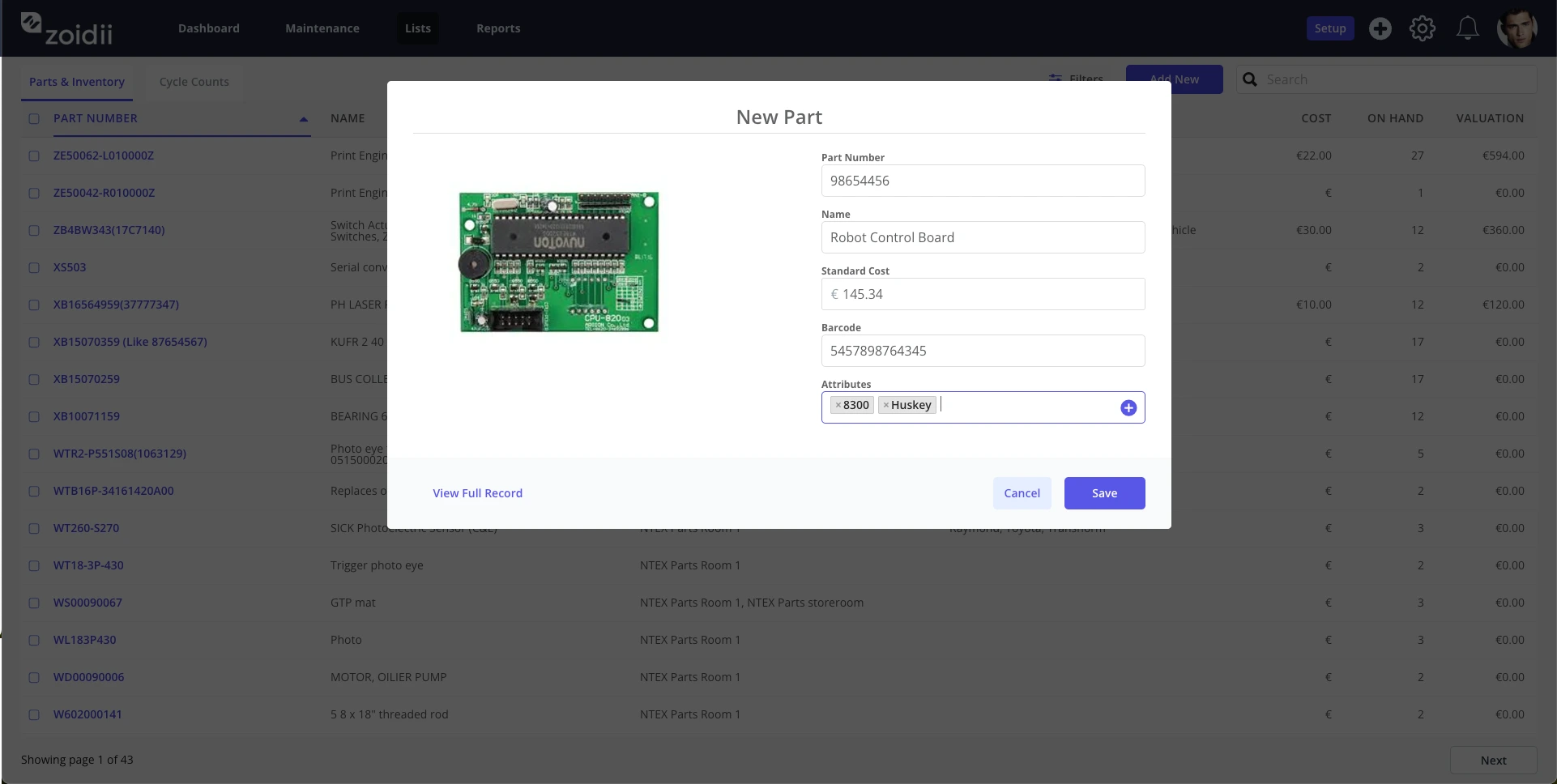
Inventory Managers monitor inventory levels, replenish critical items before they are depleted, and seek sustainable alternatives to current stock items.They also use the CMMS to access information on their assets' repair and preventive maintenance requirements.
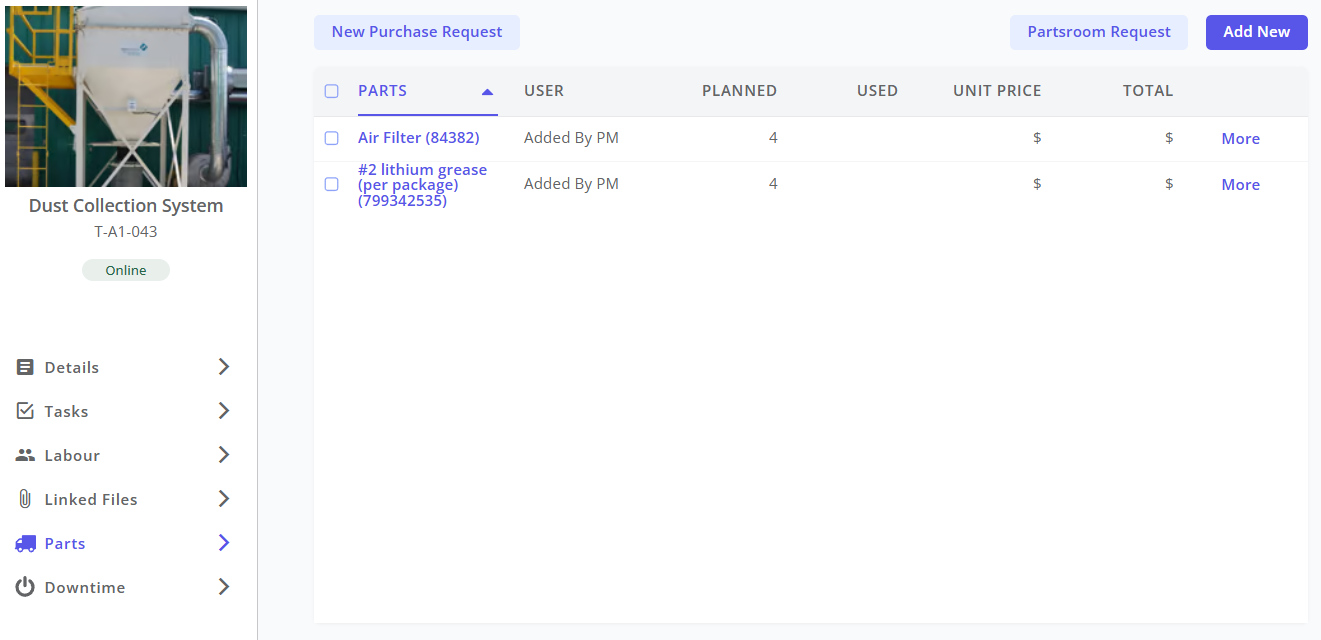
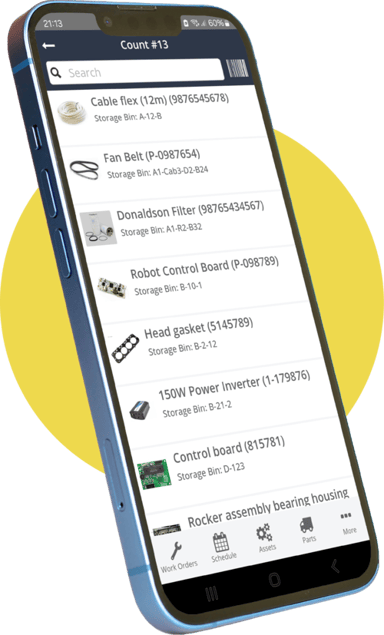
This means they can predict which parts are most likely to be required for both planned and unplanned maintenance.
6. Machine Operators
Machine Operators work directly with the equipment and know how the machinery performs.They utilize CMMS data to evaluate the equipment's performance, report breakdowns and required repairs to maintenance teams, request support, and order spare parts as needed.
Organizations with a robust TPM strategy will want operators to assist in maintaining equipment. Operators can also use the CMMS to log daily inspections and greasings, contributing to the maintenance workflow.
7. IT Team
While the IT team may or may not have been involved in the CMMS selection process, they should always have administrator access to the CMMS. They are responsible for managing security and permissions features.They control user access and roles. If anyone joins the team, they should be responsible for adding the new user and assigning role permissions.
More importantly, if anyone suddenly leaves the organization on bad terms, the IT team must quickly shut down all employee accounts, including access to the CMMS system.
Managing CMMS user access
Other groups that could be granted access include contractors, office administrators, and senior leadership. Some manufacturing organizations grant CMMS access to their salespeople in the field. The sales folks can pull up the CMMS to reassure prospects that the plant implements best-in-class maintenance.
They use the CMMS to reinforce maintenance best practices at the plant, which can improve product quality, reliability, and customer satisfaction.
All facility employees have different roles and responsibilities. However, only a select few should have access to the CMMS software, which is vital for a facility's efficient operation. Restricting access enhances security and ensures that only authorized users can make critical decisions.