

Maintenance leaders are facing a rapidly changing landscape. Maintenance has evolved from a reactive, fix-it-when-it-breaks approach to a proactive, data-driven strategy.
As technology advances and expectations increase, maintenance leaders must stay ahead of the curve.
This article examines the seven most significant challenges that maintenance leaders are likely to encounter and provides strategies for overcoming them.
1. The fight for the best human talent
One key challenge faced by maintenance leaders is attracting and retaining top talent. Global unemployment levels are at historic lows, making it challenging to find skilled maintenance technicians, and sourcing reliable maintenance and reliability resources is nearly impossible.
As maintenance operations become more complex, organizations need skilled professionals who can analyze data, make informed decisions, and implement advanced maintenance strategies.
Maintenance leaders must emphasize the opportunities for growth and development within their organizations to win the talent war.
Learning how to manage a maintenance team is a crucial starting point for those seeking to enhance their approach.
Developing training programs for team members
Maintenance leaders should invest in training and development programs to empower their workforce and ensure they possess the necessary skills and knowledge to succeed in the digital age.One easy way to upskill is by introducing Total Productive Maintenance (TPM). Through the autonomous maintenance component of TPM, light maintenance such as cleaning, regular inspections, or lubrication is outsourced to the machine operators.
Autonomous maintenance provides a pathway into a career in maintenance for machine operators and helps close some of the existing skill gaps. Maintenance leaders can attract and retain top talent by fostering a culture of continuous learning.

2. Growing expectations for maintenance leaders
Maintenance departments play a crucial role in the organization's overall success by enhancing reliability, minimizing downtime, and optimizing efficiency.
However, organizations and senior leadership increasingly expect maintenance leaders to deliver better results with fewer resources.
For those looking to meet these expectations, it is essential to understand how to become a maintenance manager and develop the necessary expertise.
Innovative solutions for streamlined maintenance practices
Budget constraints and the need to justify maintenance expenditures necessitate that maintenance leaders optimize resource allocation while maintaining equipment reliability.To meet these growing expectations, maintenance leaders must adopt a proactive approach to maintenance. They need to get the team to work smarter, not harder.
Implementing the changes will streamline and optimize the maintenance process. In a previous article, I highlighted seven ways CMMS software can help increase the productivity of maintenance teams.
Improving performance with proactive strategies
Maintenance leaders should adopt predictive and preventive maintenance strategies to identify potential issues before they lead to unplanned downtime.Maintenance leaders can leverage data in their CMMS software to optimize maintenance schedules, reduce costs, and maximize equipment performance.
Additionally, maintenance leaders can explore partnerships with external vendors for specialized services, enabling them to leverage expertise and resources without incurring significant investment.
3. Keeping up with the latest maintenance trends
The maintenance landscape is constantly evolving, and maintenance leaders must stay up-to-date with the latest trends and technologies.
Maintenance leaders must stay current on emerging technologies in maintenance, including artificial intelligence, predictive maintenance, connected systems, machine learning, and the Internet of Things (IoT).
Boosting asset performance
Staying informed about the latest maintenance trends helps maintenance leaders identify opportunities for continuous improvement and innovation.They can utilize cutting-edge technologies to streamline processes, enhance asset performance, and improve overall maintenance efficiency.
Investing in the right technologies can give maintenance leaders a competitive edge, enabling them to meet the industry's increasingly demanding requirements.
4. Enhancing maintenance efficiency with data analysis
Data and its related sciences are quickly becoming the be-all end-all of technological innovation. Maintenance leaders must harness the power of data and analytics to make informed maintenance decisions.
Collecting and analyzing maintenance data from equipment allows maintenance leaders to identify patterns, detect anomalies, and predict failures.
Driving better maintenance decisions with data analytics
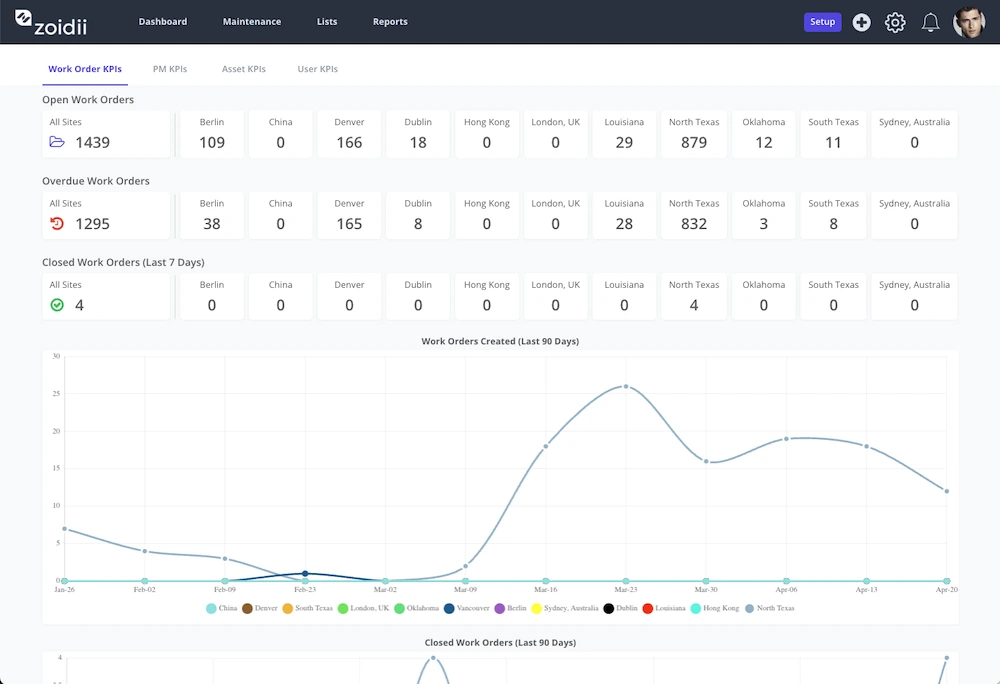
Armed with the right data, maintenance leaders can make better decisions and take proactive measures to prevent breakdowns and optimize maintenance activities.Maintenance leaders need to establish robust data management systems, such as CMMS software, to effectively leverage data and analytics. They must ensure data is collected accurately, stored securely, and easily accessible for analysis.
Moreover, maintenance leaders must develop analytical skills within their teams to interpret data and translate insights into effective maintenance strategies.
5. Introducing predictive maintenance strategies
Predictive maintenance is an emerging trend that is poised to revolutionize the industry in the years to come. Maintenance leaders can use real-time data and advanced analytics to predict equipment failures and intervene before they occur.
Implementing predictive maintenance strategies requires a shift from reactive to proactive maintenance.
Transforming maintenance with predictive strategies
Maintenance leaders must invest in technologies that enable real-time monitoring of equipment health, such as remote sensors and condition monitoring systems.They should also establish predictive maintenance workflows, including regular data collection, analysis, and action plans based on the predictions.
Adopting predictive maintenance strategies can reduce unplanned downtime, extend the lifespan of assets, and optimize the allocation of maintenance resources.
6. Accelerating digital transformation
Maintenance leaders must embrace digital transformation to drive operational excellence.
Digital tools and technologies, such as computerized maintenance management systems (CMMS) and asset management software, can streamline maintenance processes, automate maintenance tasks, and improve data accuracy.
Securing stakeholder buy-in
To accelerate digital transformation, maintenance leaders must secure buy-in from key stakeholders and dedicate sufficient resources to implementation by developing a compelling business case for CMMS Software.It is crucial to choose the right technology solutions that align with the organization's capabilities, goals, and objectives.
Moreover, maintenance leaders should establish a clear roadmap for digital transformation, including training and change management initiatives to support the adoption of new technologies.

7. Increasing focus on sustainability
Sustainability has become a top priority globally, and maintenance leaders play a vital role in implementing sustainable practices. Maintenance leaders must help their organizations reduce energy consumption, minimize waste, and adopt eco-friendly maintenance strategies.
Properly leveraging CMMS software allows maintenance leaders to identify opportunities to reduce environmental impact. They can reduce energy usage, optimize spare parts utilization, minimize manufacturing rework, and extend asset lifespan. For more information, see our article on Why a CMMS can help your company reduce its carbon footprint.
They can implement energy-efficient technologies, prioritize preventive maintenance to reduce waste, and incorporate sustainability into their overall maintenance strategy.
Adopting energy-efficient technologies
Maintenance leaders should also engage with stakeholders to communicate the organization's commitment to sustainability and drive a culture of environmental responsibility.Integrating sustainability into maintenance practices can contribute to the organization's overall sustainability goals and enhance its reputation.
Thriving amid maintenance challenges
Maintenance leaders will face significant challenges as technology advances, expectations continue to rise, and resources become increasingly scarce. However, with every great challenge comes opportunities for growth and innovation.
By embracing emerging technologies, utilizing data and analytics, and implementing proactive maintenance strategies, maintenance leaders can overcome these challenges and position themselves as strategic partners in the organization's success.
Embracing opportunities for growth and innovation
Attracting and retaining top talent, keeping up with the latest trends, and prioritizing sustainability can drive operational excellence, reduce costs, and enhance overall equipment performance.To navigate the changing landscape, maintenance leaders must continuously adapt, learn, and embrace change to stay ahead of the curve. The future of maintenance leadership is exciting, and those who are prepared to embrace the challenges will thrive in this rapidly evolving field.
Get in touch
As maintenance leaders face increasing demands and advancing technologies, adopting strategies that enhance efficiency, attract talent, and embrace sustainability is essential.
Zoidii’s CMMS solutions can help you streamline maintenance operations, optimize data use, and improve sustainability practices. Contact us today to discover how we can help you achieve operational excellence.